

Depression
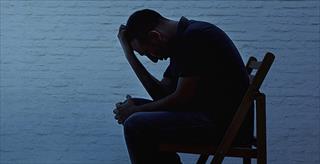
Depression is more than just sadness. People with depression may experience a lack of interest and pleasure in daily activities, significant weight loss or gain, insomnia or excessive sleeping, lack of energy, inability to concentrate, feelings of worthlessness or excessive guilt and recurrent thoughts of death or suicide.
Depression is the most common mental disorder. Fortunately, depression is treatable. A combination of therapy and antidepressant medication can help ensure recovery.
Adapted from the Encyclopedia of Psychology
What You Can Do
-
Seek the right kind of social support
Social isolation increases the risk of depression. But it turns out that spending too much time discussing problems with friends could actually increase depression as well.
-
Exercise Helps Keep Your Psyche Fit
Exercise is an effective, cost-effective treatment for depression and may help in the treatment of other mental disorders.
Getting Help
- Find a Psychologist
-
Depression and How Psychotherapy and Other Treatments Can Help People Recover
Depression is a real illness and carries with it a high cost in terms of relationship problems, family suffering and lost work productivity. Yet, depression is a highly treatable illness, with psychotherapy, coping and cognitive-behavioral techniques, and medication.
News
-
The autumn blahs are real
September 21, 2015, Today
-
Moderately following the Mediterranean diet may cut risk of developing depression
September 20, 2015, Forbes
-
Common antidepressant isn't safe for teens, new analysis says
September 17, 2015, The New York Times
-
Suicide-risk behaviour patterns identified
August 30, 2015, BBC News
-
Young goths 'at risk of depression'
August 27, 2015, BBC News