


Meet the Working Group on Race Related Parental Stress
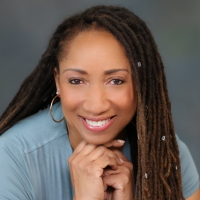 Chair, Stephanie Irby Coard, PhD, is a tenured associate professor at the University of North Carolina Greensboro, department of human development and family studies. A clinically trained psychologist and clinical researcher, Coard primarily conducts research on racial, ethnic and cultural influences on youth development and family functioning; racial socialization processes, racial identity development; prevention of youth problem behavior and promotion of resilience; culturally relevant and evidenced-based approaches to parenting; and intervention development and community dissemination in diverse cultural contexts. Her understanding of socio-cultural factors as they relate to the etiology, treatment and prevention of child mental health problems has informed her work on several locally and federally funded studies. In addition to being the chair of the Working Group on Race Related Parental Stress (RESilience), Coard is former chair, APA Task Force on Resilience and Strength in Black Children and Adolescents and a current member of the National Alliance on Mental Illness (NAMI) Board where she focuses on increasing mental health awareness in African American communities.
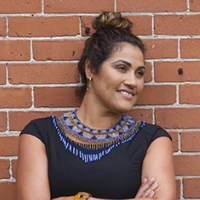 Maysa Akbar, PhD, is a groundbreaking psychologist, best-selling author and healer. Her work in defining the existence of Urban TraumaTM , a framework developed by Akbar, unpacks how people of color are in a state of crisis due to oppressive societal systems. Akbar is an engaging and dynamic speaker on Urban Trauma, Restorative Practices and Diversity, Equity and Inclusion. Her seminal work has been featured in corporations with social responsibility initiatives, philanthropies that advance racial equity, nonprofits, urban school districts and social service agencies. Akbar is a board-certified clinical psychologist and is an assistant clinical professor at Yale University, School of Medicine. She is a media expert addressing the role of Urban Trauma in community tensions and violence, race relations and educational disparities. Akbar represents the American Psychological Association at the United Nations where she informs psychology practice within the international community. Lastly, Akbar serves on the board of Connecticut Psychological Associations and the Community Foundation for Greater New Haven.
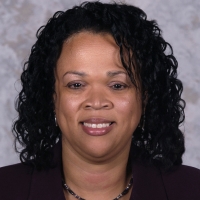 Angela Neal-Barnett, PhD, is a national award-winning psychologist, professor, and leading expert on anxiety disorders among Black Americans. The first African American woman to be tenured and promoted to the rank of Full Professor in the Department of Psychological Sciences and in the College of Arts and Sciences at Kent State University, she directs the Program for Research on Anxiety Disorders among African Americans (PRADAA). Neal-Barnett's current work focuses on the role of race and stress in infant mortality. She is the architect and developer of the Build Your Own Theme Song© App for Black adolescent girls and the author of “ Soothe Your Nerves: The Black Woman's Guide to Understanding and Overcoming Anxiety, Panic and Fear” (Fireside/Simon and Schuster). An international speaker and workshop presenter, Neal-Barnett's work bridges the gap between academia and the general public.
 Sangeeta Prasad, Med, PsyD, is a psychologist who engages in long term family work in a mixed income practice. She currently works for Kindred as senior adviser and parent group facilitator and is an adjunct professor at The George Washington University's Human Services and Social Justice program. Her areas of experience include early intervention to prevent the continuation of transgenerational trauma in families and cultural training focused on adapting psychological practice to better meet the needs of minority communities. Prasad's experience in cultural training stems from her internship at the National Asian American Mental Health Institute, her experience co-creating and supporting grassroots domestic violence interventions for BREDS India, and direct service work with members of oppressed communities over the past fifteen years. She holds an undergraduate degree in spanish and international studies from Washington University in St. Louis, a master's in risk and prevention counseling from Harvard's Graduate School of Education, and a doctorate in clinical psychology from The George Washington University.
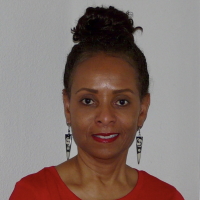 Kinette Richards, PhD, NCC, is a licensed school psychologist and nationally certified counselor working in the Cherry Creek School District in Aurora, Colorado. She received her master's degree in counseling psychology from the University of Colorado Denver and received her doctorate in school psychology from the University of Denver. She has over 25 years of Mental Health experience, working in a variety of settings, including residential, in-patient, out-patient, day treatment and schools, with pre-school aged children through adults. She is an adjunct professor in school psychology at the University of Denver, where she was just named the school psychology supervisor of the year for 2019. She has a passion for equity work and is an advocate for students and families of color in school settings. During the past fifteen years she has taken a lead role in the discussion and training of staff members at the school and district level, on the issue of race and the opportunity gap, and the over-representation of students of color in disciplinary actions.
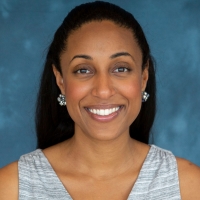 Farzana Saleem, PhD, is a University of California chancellor's postdoctoral research fellow at the University of California Los Angeles. Farzana studies how racial stress influences the mental health of youth of color, with a focus on African American adolescents. Farzana examines how ethnic-racial socialization and other protective factors at the family, neighborhood, and school levels can reduce the consequences of racial stress and promote youth's psychological health.
 Khris-Ann Small, MA, earned her BS from the University of Maryland, College Park in kinesiology, and a masters at the University of Connecticut. She is now pursuing a PhD in human development and family sciences from the University of Connecticut. Small has assisted in teaching courses in diversity issues, parenting and professional communication. Her research interests include examining the psychosocial development of minority children and exploring the effects of ethnic-racial socialization and racial identity on black youth.
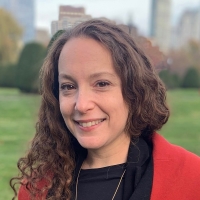 Sasha Stok, PhD, is a senior psychologist for the Bellevue Juvenile Justice Mental Health Service team , which is a collaborative effort between Bellevue Hospital, NYU School of Medicine and the Administration for Children Services, to provide evidenced based services for youth in juvenile detention and trauma informed consultation services. Her work involves trauma-informed training to leaders and staff in juvenile detention facilities in New York City, as well as providing trauma-specific treatment to justice-involved youth, including delivery of the Trauma Adaptive Recovery Group Education and Therapy (TARGET) model. Stok's interests include the implementation of culturally informed trauma interventions, the impact of trauma on childhood development, parenting and families, and working within systems to increase the use of evidence-based and trauma-informed practices.
We want your input!
You can help by submitting any relevant resources that you have used.