


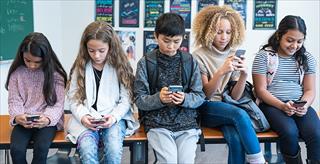
Bullying is a form of aggressive behavior in which someone intentionally and repeatedly causes another person injury or discomfort. Bullying can take the form of physical contact, words, or more subtle actions.
The bullied individual typically has trouble defending him or herself and does nothing to “cause” the bullying.
Cyberbullying is verbally threatening or harassing behavior conducted through such electronic technology as cell phones, email, social media, or text messaging.
Adapted from APA Dictionary of Psychology
How parents, teachers, and kids can take action to prevent bullying
Preventing and stopping bullying involves a commitment to creating a safe environment where children can thrive without being afraid.
Cyberbullying: What is it and how can you stop it?
Explore the latest psychological science about the impact of cyberbullying and what to do if you or your child is a victim.
News from APA
Weight-Based Bullying Linked to Increased Adolescent Alcohol, Marijuana Use
Overweight girls most likely to report being bullied, study finds
The More the Merrier? Children With Multiple Siblings More Susceptible to Bullying
Competition for limited resources within family may lead to fight for dominance, study says
School Bullying Linked to Lower Academic Achievement, Research Finds
Almost one-quarter of children in study experienced chronic bullying
Cyberbullying Less Emotionally Harmful To Kids Than In-Person Harassment, Study Finds
Bullying and harassment that occurs both in-person and online takes highest toll
Resources from APA
Cyberbullying: What is it and how can you stop it?
Explore the latest psychological science about the impact of cyberbullying and what to do if you or your child is a victim
Spotlight: Can school-wide social and emotional learning reduce cyberbullying among adolescents?
In a large-scale survey study, Chunyan Yang and colleagues used multilevel modeling to examine how components of school-wide social and emotional learning influenced adolescents’ cyberbullying experience.
Students Experiencing Bullying
Teachers are critical contributors to promoting safe school interactions and promoting positive relationships.
Bullying is not just a problem for teens
A lawsuit brought by the resident of a senior living center raises the issue of bullying among older adults
Continuing education
Bullying: A Module for Teachers
Identify various types and examples of bullying in school.
Do U.S. Laws Go Far Enough to Prevent Bullying at School?
Distinguish between bullying and harassment, and describe how bullying at school can be a civil rights violation.