Counseling available after disasters
Immediate help is available for those affected by, or who may need additional assistance, after experiencing a natural or human-created disaster. The Disaster Distress Helpline is a toll-free, multilingual crisis support service available 24/7 via telephone (1-800-985-5990) and SMS (text “TalkWithUs” to 66746). The Disaster Distress Helpline is a federally funded resource provided by the Substance Abuse and Mental Health Services Administration.
Disaster mental health information for psychologists
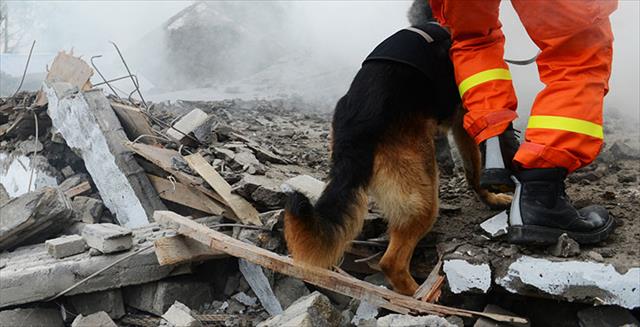
When a disaster hits, there is a need for licensed, mental health volunteers to work within affected communities to provide support to organizations involved in disaster response and recovery.
Resources from APA
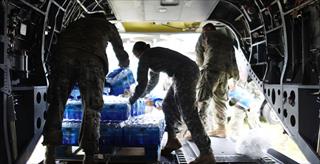
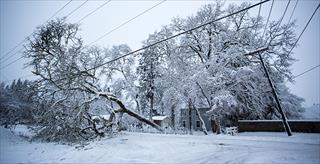
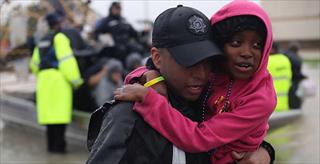
Coping with and recovering from disasters
Understanding the effects of traumatic stress and the normal responses that may follow these abnormal events can help you cope with your thoughts and feelings on the path to recovery. Taking active steps to cope is important.