
skip to main content
Integrated care

Supporting patients through organ transplants

Psychologist Tyler Branagan helps donors and recipients navigate the behavioral and medical challenges that accompany these life-changing surgeries

APA Style leaf logo Cite This Article in APA Style
Abramson, A. (2026, May 6). Supporting patients through organ transplants. https://www.apa.org/topics/health-care/organ-transplants

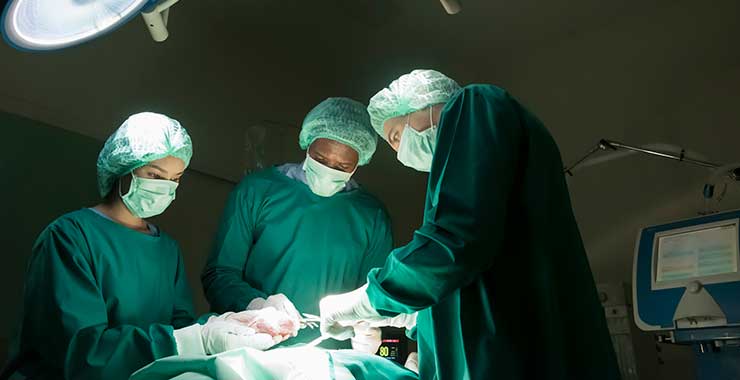
operating room

headshot of Tyler Branagan Organ transplants can be lifesaving and life-altering—and transplant success depends on much more than medical intervention alone. As director of psychological services for the University of Colorado Hospital Transplant Center, Tyler Branagan, PhD, works with organ transplant patients before and after surgery, providing psychotherapy and behavioral health support to ensure the best possible outcome for patients.

This work reflects a broader model of behavioral health integration, in which psychologists are embedded within interdisciplinary teams to address both the psychological and behavioral factors that influence transplant outcomes. Evidence shows that this type of support can improve adherence to medical recommendations, reduce complications, and contribute to better long-term success.

After nearly 10 years working in this area, Branagan understands better than most how important it is for patients to have this range of support as they navigate this dramatic life change. We asked him to discuss some of the unique challenges transplant patients face, how he works with living donors, and what all psychologists should know about caring for people who have undergone a transplant.


What type of work do you do with patients before an organ transplant?

An important part of my role is conducting presurgical evaluations to help the medical team determine whether someone is a good candidate for transplant. The goal in this process is to identify specific psychological problems that could negatively impact the process, such as behaviors that could interfere with a patient’s success with a transplant.

Transplant patients require lifelong medical care. They must take immunosuppressive drugs for the rest of their lives to keep the body from rejecting the organ and regularly follow up with specialists. I evaluate the patient’s ability to adhere to these routines, along with identifying whether a psychological problem could cause potential complications. For example, if a patient has alcohol-associated liver disease and refuses to seek medical or mental health treatment to stop drinking, they would not be a good candidate for a liver transplant.

In some cases, we can provide support to help patients move toward transplant. For example, if a patient needs a kidney transplant for kidney failure, they’re likely already undergoing dialysis. But if they aren’t consistently going to their dialysis sessions—maybe they struggle with depression that affects their motivation, or they don’t understand the medical necessity of dialysis—that could be a red flag that they’re not ready for a transplant. In that case, I could refer them to a community mental health provider who could help them follow through on their goals.

Sometimes we have less time for treatment before transplants, and we have a specific protocol for high-risk patients who are acutely ill and need a life-saving transplant. For example, I recently evaluated a patient with alcohol-associated liver disease. Without the transplant, they were likely to pass away within a week, so we initiated an evaluation and worked together as a medical team to ensure they would engage with substance use treatment after recovery from the transplant.

And how are you involved after the transplant?

Recovering from a transplant can be difficult. Along with pain from the surgery, many patients struggle emotionally. If that’s the case, a medical provider will refer them to me, and I’ll meet with the patient to understand what’s going on and how to help. Typically, I do therapy with patients a few times during the hospital stay and refer them to a community provider afterward.

Maybe someone is experiencing low motivation after a transplant and having a hard time engaging in physical therapy. Some of that low motivation may come from physical symptoms and fatigue, but they may also have anxiety about using their body again when experiencing so much pain and fatigue. We might talk about any hangups they have about physical therapy, and how they can think differently about activities that can help them recover.

Going home and re-engaging with routines can also be a big adjustment. I work to help patients identify activities they enjoy and make sure those things are part of the recovery process. People often don’t feel like themselves after such a big change, and re-engaging with things they enjoy can help. Setting big goals can be overwhelming, so I encourage people to incrementally introduce activities and ease into routines over time. An incremental approach can help them gain confidence, which increases the likelihood they’ll keep doing it.

Some transplant patients have more severe, persistent mental illnesses, such as schizophrenia or bipolar disorder. For these patients, immunosuppressant drugs can sometimes exacerbate their mental health symptoms. In that case, I’d monitor for red flags during their hospital stay and coordinate with their psychiatric medication providers for adjustments.

How do you work with organ donors?

Our hospital has a large living donor program. All potential living donors meet with a psychologist during their initial evaluation. This step helps ensure that donors are making informed, voluntary decisions and are adequately prepared for both the physical and psychological aspects of donation. We want to make sure they’re mentally stable and that they understand how organ donation will affect them physically and mentally. Most of the time, living donors tend to be healthy people and may already be engaged with a therapist or psychiatric medication provider. We make sure that their outside treatment is supporting them appropriately so they have a smooth recovery.

As a team, we prepare donors for adapting to pain and fatigue from the surgery. If someone is a liver donor giving more than 50% of their liver, they may not be able to metabolize psychiatric drugs for the first few weeks after the surgery (until the liver regenerates back to 100% over a series of months). In that case, I discuss with the donor potential dose adjustments the pharmacist and medical team will make.

What should other psychologists know about this area of practice?

If you’re working with someone experiencing organ failure—two of the most common are liver and kidney—it’s important to understand the medical and psychological impacts. People with organ failure can experience severe symptoms and may have medical trauma. They often must attend numerous follow-up appointments and have uncertainty about the future.

Therapists should also be aware that organ failure can cause psychological symptoms. There are medical reasons why an organ failure patient may experience forgetfulness or disorientation, so it’s important to rule out those medical causes before assuming a psychological cause.

If a patient undergoes a transplant, they may experience tremendous hope for the first time in years. But that hope might also come with complex questions about how their lives will change, and whether the transplant will be successful long-term. I encourage psychologists to find a balance between validating these potential concerns and difficulties while acknowledging all the ways organ transplant can improve their lives.

Recommended Reading

Related and recent