Building off the foundational work of many past presidents in Division 51: Society for the Psychology of Men and Masculinities, past president (2023–2024) Daniel Singley, PhD, sought to use his presidential platform to at once “broaden the tent” to be more inclusive of audiences outside the APA while also shoring up community within our small-but-mighty division.
With the theme of “Growing up as we grow down,” initiatives ranged from updating our name and mission statement to optimizing the division’s financial portfolio to having professional video segments filmed and aired on television stations throughout the United States for a year.
As another way to raise greater awareness about men’s and boys’ mental health, Division 51 hosted the first conference on the Psychology of Men and Boys in San Diego since prepandemic with the theme “Compassion for, from, and from within Men and Boys.” The conference was standing-room only and proved to be a great way to bring together a diverse group of folks to learn about topics ranging from strengths-based approaches with men, boys in schools, men’s self-compassion, and others.
The current president of the division, Brian Cole, PhD, has coalesced his presidency around community-building and continuing to raise awareness of strengths-based research, practice, teaching, and consultation related to the psychology of masculinities.
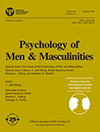
Finally, Psychology of Men & Masculinities, one of the leading journals in the field of men and masculinities, has an impact factor of 2.7.