


skip to main content

Laurie N. Baker, PhD, ABPP: Division volunteer

Baker is president-elect, Division 22: Rehabilitation Psychology

APA Style leaf logo Cite This Article in APA Style
American Psychological Association. (2026, September 1). Laurie N. Baker, PhD, ABPP: Division volunteer. https://www.apa.org/about/division/digest/leader-resources/laurie-baker

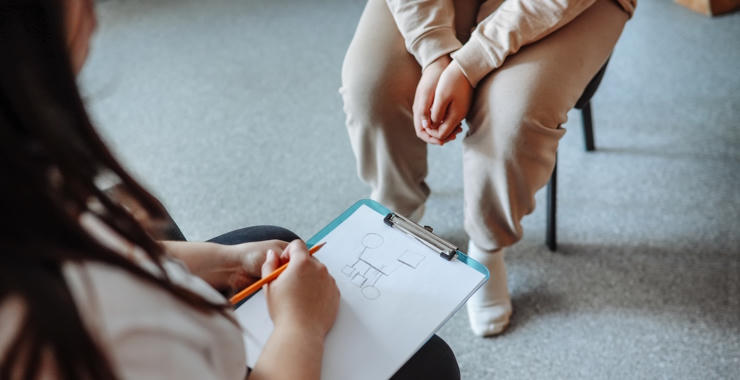
Mental health professional conducting a one-on-one counseling session with an individual.

Why did you join the division?

Headshot of Laurie N. Baker. Although my training was in health psychology and clinical neuropsychology, I found by best personal and professional fit with Division 22, Rehabilitation Psychology. It’s the perfect mix. I love the networking and consultation, and I feel so well-connected nationally. When I have questions or need support, there is never a lack of people to call, meetings to join, or colleagues to meet up with at conferences.

What does a typical workday look like for you?

In my current role, I serve as director of psychology at Shepherd Center in Atlanta, Georgia. We provide mental health care for people affected by spinal cord injury, brain injury, multiple sclerosis, chronic pain, polytrauma, and other neuromedical conditions. It is my job to ensure our high-quality service delivery for these patients, and to support the mission of Shepherd Center- to rebuild lives with hope and dignity.

What are you or your division working on now?

Division 22 has been very busy this year. We are embarking on our new strategic planning sessions with our executive committee and partner organizations. Committees are active, engaged, and always looking for more volunteers. For example, the Practice Committee recently published a second “salary survey” for rehabilitation psychologists (Baker et al., 2026), and there are many other projects in science, leadership, and national impact from Division 22.

What’s something you want people to know about your division?

Rehabilitation psychology is not alcohol and drug rehab. While we certainly address substance use issues, we really focus on helping people with disabilities, injuries, or chronic health conditions maximize independence and quality of life. Rehabilitation psychologists assess and treat cognitive, emotional, behavioral, social, and functional challenges; build on individual strengths; address barriers to participation in rehabilitation and the community; and advocate for greater equity, inclusion, and opportunity through clinical practice, research, and advocacy.

If you weren’t a psychologist, what would you be?

As a kid, I wanted to be a spelunker!

Contact: Laurie Baker can be reached via email.

You may also like