



skip to main content

Lynne Knobloch-Fedders, PhD: Division volunteer

Knobloch-Fedders is vice president for Science, Division 43 (Society for Couple and Family Therapy)

APA Style leaf logo Cite This Article in APA Style
American Psychological Association. (2026, June 11). Lynne Knobloch-Fedders, PhD: Division volunteer. https://www.apa.org/about/division/digest/leader-resources/lynne-knobloch-fedders

A therapist holding a clipboard takes notes while two people sit side by side during a counseling session.

How did you become a division volunteer or leader?
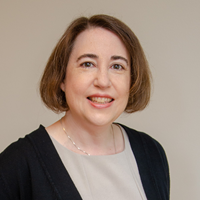
Headshot of Lynne Knobloch-Fedders. When I was invited by Adam Fisher, past president of Division 43, to consider accepting a nomination for the position of vice president for Science of the Society for Couple and Family Therapy, I was honored to do so. Serving in this role is an opportunity to give back to Division 43, which has been my professional home since I began my training.

What do you get out of your involvement?

My involvement in Division 43 has been very rewarding. I’ve enjoyed getting to know many fantastic colleagues, and I have learned a lot about the structure of APA and the editorial administration of our division’s journal, Couple and Family Psychology: Research and Practice. I am grateful that I have the ability to advocate for couple and family researchers.

What does a typical workday look like for you?

I’m a clinical psychologist and a faculty member at Marquette University, so my days are filled with conducting research on couples and families, teaching and mentoring students, supervising trainees in their clinical work, and participating in university leadership. I enjoy being involved in a variety of activities, all of which are designed to support the mental health of couples and families.

What issues do you think will be front and center for family psychologists in the coming year(s)?

Couples and families face a myriad of mental health challenges, and now, more than ever, we need passionate and well-trained psychologists to provide high-quality, systems-based integrated health care. As a field, we cannot continue to rely on interventions that are solely focused on treating the individual. To ensure that our health care services are effective (and cost-effective), we need universal access to couple and family-based treatments. 

What advice would you offer to new members?

The division needs you. To get the most out of your membership, get involved in a committee or task force. It is easy to get involved in Division 43, and it allows you the opportunity to shape new initiatives and advance our field. It is also a great chance to build your professional network.

If you weren’t a psychologist, what would you be?

I would be a librarian. Working in a quiet environment surrounded by books would be amazing!

Contact: Lynne Knobloch-Fedders can be reached via email.

You may also like