


skip to main content

Meet the division volunteer: Andrés E. Pérez-Rojas, PhD

APA Style leaf logo Cite This Article in APA Style
American Psychological Association. (2024, December 11). Meet the division volunteer: Andrés E. Pérez-Rojas, PhD. https://www.apa.org/about/division/digest/leader-resources/perez-rojas

Why did you join the division?
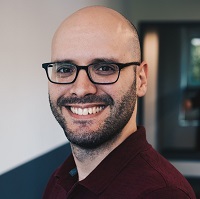
Andrés E. Pérez-Rojas, PhD I was encouraged to join Divisions 17 and 20 by mentors in graduate school, especially my advisor, Charles Gelso, PhD. I sought places to call home, connect with like-minded psychologists, and make a difference. Division 17 was a natural fit for me as a counseling psychologist, while Division 29 allowed me to connect with others interested in psychotherapy practice and scholarship.

How did you become a division volunteer or leader?

In Division 29, I was elected as domain representative for the Public Interest and Social Justice after Clara Hill, PhD, then-president of Division 29, encouraged me to run based on my prior leadership as chair of the Committee on Early Career Psychologists (2021) and my work on cultural and social justice issues in psychotherapy. In Division 17, I’ve been a volunteer in various capacities and recently joined the steering committee for the 2024-2025 presidential initiative (Advancing a Critical Counseling Psychology), after being tapped by current president Melanie Wilcox, PhD, a close friend and collaborator.

What does a typical workday look like for you?

I’m an associate professor and director of clinical training for the Counseling Psychology PhD program at Indiana University Bloomington. My workdays vary—one day I might be teaching counseling skills to master’s and PhD students; another day, I could be directing my research lab, working on manuscripts, or providing service to my department or school. As training director, I also support students’ progression, troubleshoot training or curriculum issues, and consult with colleagues.

What are you or your division working on now?

In Division 29, I am leading efforts to help psychotherapy researchers and practitioners address structural issues and social determinants of health, even within individual therapy. In Division 17, I am contributing to similar efforts with others, primarily to bring a critical perspective to the work of counseling psychologists.

If you weren’t a psychologist, what would you be?

This is tough! I come from a family of poets, and if I could, I would love to write poetry and teach in a creative writing program.

Contact: Andrés Pérez-Rojas

You may also like