



skip to main content

Toshiaki Sasao, PhD: Division volunteer

Member-at-large, APA Division 48: Society for the Study of Peace, Conflict, and Violence: Peace Psychology Division

APA Style leaf logo Cite This Article in APA Style
American Psychological Association. (2026, January 15). Toshiaki Sasao, PhD: Division volunteer. https://www.apa.org/about/division/digest/leader-resources/toshiaki-sasao-volunteer

""

Why did you join division 48 (peace psychology)?
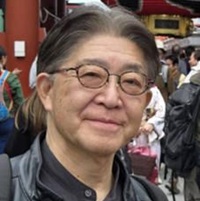
Toshiaki Sasao, PhD I joined Division 48 because its mission—advancing peace through psychology—resonates deeply with both my scholarship and my lifelong commitment to promoting peace and transforming conflict. As a community psychologist working in Japan and East Asia, I have witnessed how psychological knowledge can foster reconciliation, promote cross-cultural understanding, and contribute to social justice. Division 48 provides an international intellectual home where I could collaborate with others devoted to building cultures of peace, informed by research and guided by compassion.

How did you become a division leader (member-at-large)?

My path to serving as a member-at-large emerged naturally from decades of involvement with the APA and its divisions. As an APA fellow with Divisions 27, 45, and 52, and a relatively new member of Division 48, I have contributed to collaborative research, conference programming, and international initiatives that bridge psychology and peacebuilding. Over time, colleagues encouraged me to take a more active leadership role. I accepted the nomination as an opportunity to help strengthen global connections, broaden participation, and support the next generation of peace psychologists in line with Division 48’s ongoing mission.

What do you get out of your involvement with Division 48?

My involvement with Division 48 remains both professionally enriching and personally transformative. Through its vibrant community of peace psychologists and activists, I gain intellectual stimulation, moral encouragement, and a sense of shared purpose that sustains my academic and practical work in peacebuilding. Division 48 offers a unique space where scholarship, activism, and human compassion converge—a place where research on conflict, trauma, and reconciliation is grounded in the lived realities of people worldwide. I value the opportunities to collaborate with colleagues across disciplines and continents, to mentor emerging scholars, and to exchange insights that inform my teaching and cross-cultural research in Japan and Korea. Most importantly, Division 48 reminds me that peace psychology is not just a professional domain, but a moral commitment—to apply psychology in ways that heal divisions, empower communities, and nurture hope in an often fractured world.

What advice would you offer to new members or new leaders/volunteers in Division 48?

To new members and emerging leaders in Division 48, I would say this: stay curious, stay connected, and stay grounded in compassion. Peace psychology thrives when we bridge scholarship and action—when research speaks to the struggles and hopes of real communities. I encourage you to see Division 48 not only as a professional home but as a living network of colleagues committed to transforming conflict, addressing injustice, and nurturing peace in all its forms. Get involved early: attend meetings, volunteer for committees, and contribute your unique cultural and disciplinary perspectives. Diverse leadership here is not about hierarchy—it’s about collaboration, humility, and persistence. The most rewarding moments come when you realize your work, however small, contributes to a global movement for dignity and peace.

Tell us a fun fact about yourself

During the pandemic, I unexpectedly became an avid fan of Korean dramas on Netflix—a hobby that has turned into a quiet form of continuing education. Since 2019, I’ve probably watched around 35 series, often during lunch breaks or after long stretches of teaching and writing. I even formed a campus-wide discussion group on Korean dramas. What began as simple entertainment soon became a fascinating window into human emotions, relationships, and social issues that psychologists deal with every day—identity, trauma, resilience, moral growth, and love in its many forms. I find that these dramas, with their emotional depth and cultural nuance, often illuminate the very principles we discuss in peace and community psychology: empathy, reconciliation, and the search for meaning in the midst of hardship.

Contact: Toshiaki Sasao

You may also like