I feel fortunate to be a psychologist who began my career pathway by attending a community college. Although I entered college as a “D” student in high school, the community college I attended helped me become a serious student and gain the confidence and motivation needed to persevere and succeed in college. I attended Mt. San Antonio College (MSAC), known locally as “Mt Sac.” After taking introductory psychology from Mr. Thomas at MSAC, I changed my major from electronics to psychology. While still in community college, I took Dr. Honor’s philosophy class. While lecturing one day, Honor said, “Some students go out of their way to avoid getting an education.” That one statement profoundly influenced my career focus. I went on to study demographic, cognitive, and noncognitive factors related to college student success and failure. More recently, I have begun to investigate evidence-based studying and learning strategies and ways to help college students to know and use them.
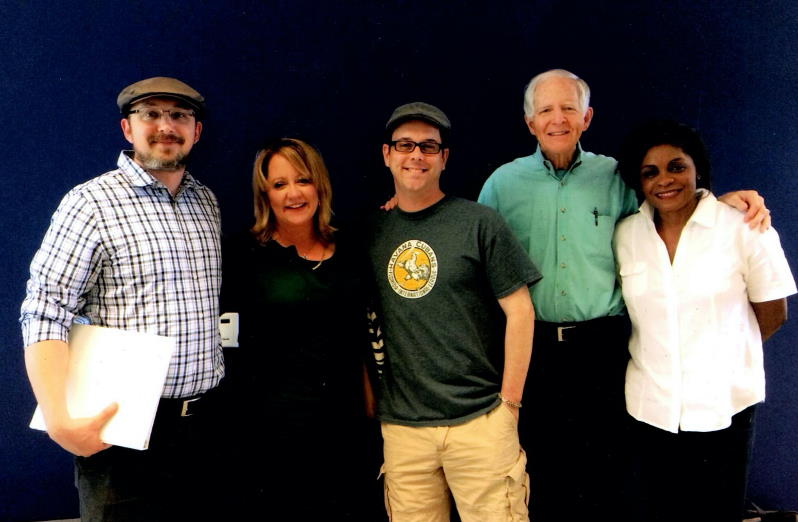
After entering the field as a human factors engineer (eight years), later an institutional researcher (seven years), and finally a community college psychology professor (35 years so far), I often met psychologists at professional conferences and meetings. When some of them learned that I taught at a community college, they would explain how they had started their college education at a community college. That triggered an idea: “Start the Community College Pathway Psychologist (CCPP) feature on the Psi Beta1” website. Community College Pathway Psychologists are valuable because they are evidence that community college students can achieve academic success and go on to become contributing members of the psychology profession. At this time, the CCPC Hall of Fameopens in new window features eight people on the website. Each shares their current position and says something about their community college background.
Because community colleges have an open-admission policy, students naturally vary in terms of their preparation for college work. When I started at MSAC, I was the first person in my family to attend a college and had avoided taking college preparatory classes in high school. At first, I had doubts about my chances of surviving at MSAC. There are students today who attend the community college where I teach and who remind me of myself when I first started; they can succeed but need to learn time management and effective study strategies. I encounter many other students who could have gone directly to a university, but for various reasons, they chose to start at a community college.
To my knowledge, no one knows how many psychologists have community college attendance in their educational background. But as you can see by navigating through the CCPP Hall of Fameopens in new window, many of those who have gone to a community college, have done well and demonstrate that the community college is a reasonable alternative for starting one’s educational pathway.
1Psi Beta is a national honor society that serves community college students interested in psychology. Community college students and teachers can learn more about Psi Betaopens in new window online. High school students and teachers can check out the Psi Alpha honor societyopens in new window online. University students can look into Psi Chiopens in new window online.
About the author
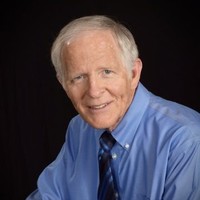 Jerry Rudmann, PhD, teaches psychology at Irvine Valley College. Prior to teaching, he was a human factors engineer at Rockwell International. Jerry has been Psi Beta's executive director since 2005. Rudmann has served on a variety of APA task forces including the 21st Century Workplace Skills task force and APA's Guidelines 1.0 and 2.0 task forces.