You might be wondering, where do school psychologists work? And what exactly do they do? According to the National Association of School Psychologists (NASP; 2014), school psychologists typically work with children, teenagers, and young adults in K-12 public schools. They are trained to provide direct and indirect support to students in a wide variety of ways. School psychologists play an integral role in the special education process and are important members of multidisciplinary teams that support students with disabilities. They usually spend a good chunk of their time conducting psychoeducational evaluations, which consist of collecting information through the administration of tests and other assessment tools to determine whether children are eligible for special education services. Evaluation activities frequently include conducting behavioral observations and administering standardized diagnostic assessments, interviewing parents, and presenting assessment results at special education eligibility meetings. If eligible, school psychologists provide input for the development of the child’s individualized education plan (IEP).
School psychologists are also trained to support the academic, behavioral, and mental health needs of all students, regardless of education programming or placement. They frequently consult and collaborate with parents, teachers, administrators, and other stakeholders to best meet the needs of children in their schools. Importantly, they are also knowledgeable about education systems and work hard to create positive learning environments through collaboration, leadership, and advocacy. Furthermore, they might be responsible for providing counseling services, consulting with teachers to provide guidance about interventions and supports and attending meetings with school leaders to determine how to improve school systems. These are just a few examples of duties and responsibilities that school psychologists may have. While the specific activities may change each day, school psychologists are always working towards improving outcomes for students. Helping students succeed is at the heart of school psychology.
What are the requirements for becoming a school psychologist?
To become a school psychologist, you must earn a bachelor’s degree and a graduate degree (NASP, 2020). Most practitioners earn a specialist-level or doctoral degree. A specialist-level degree tends to be the entry level for a career in school psychology. Specialist-level school psychologists typically work in educational settings. In contrast, doctoral-level school psychologists have access to a broader range of career opportunities, including working in research and higher education, mental health clinics, hospitals, and private practice, if they complete the process to become a licensed psychologist. Since school psychologists are authorized by the state they work in, it is important to look up your state’s requirements in order to best understand what your pathway to a career in school psychology may look like.
Depending on the program type, graduate studies may take 3 to 6 years to complete. During their graduate program, school psychology students receive formal training on a variety of topics related to education and psychology. They take coursework and participate in practicum experiences in applied settings (e.g., schools, clinics, hospitals). They also complete a 1-year internship, during which they work under the supervision of a qualified professional in order to improve their skills. Internship is the time to apply the knowledge and skills they have acquired during their training and improve their professional abilities before beginning their career. Following successful completion of their graduate studies, school psychologists must become credentialed by their state to begin practicing. NASP also offers national certification which can be beneficial for employment.
Want more information?
School psychologists are solutions-oriented, helping professionals who use research to inform their professional practice. They work hard to improve the educational experiences and lives of children, families, and communities as well as the systems they work within. Being a school psychologist means taking on a leadership role in school settings in order to help children succeed. If this sounds like a profession you might be interested in, check out these professional organizations for more information:
- National Association of School Psychologistsopens in new window
- APA Division 16opens in new window
- International School Psychology Associationopens in new window
State associations may also be able to provide more information about professional requirements and other specifics for the state you live in. You can browse NASP’s list of state associationsopens in new window to find your state’s organization.
References
National Association of School Psychologists. (2014). Who are school psychologists? https://www.nasponline.org/about-school-psychology/who-are-school-psychologists
National Association of School Psychologists. (2020). A career in school psychology: Selecting a master’s, specialist, or doctoral degree program that meets your needs.https://www.nasponline.org/resources-and-publications/graduate-students/graduate-student-fact-sheets/a-career-in-school-psychology-selecting-a-masters-specialist-or-doctoral-degree-program-that-meets-your-needsopens in new window
About the authors:
 Mikaela Pulse, MS, MA, is a fourth-year PhD student in the School Psychology program at the University of California, Riverside. Mikaela has previous experience working as a special education teacher for students with mild to moderate disabilities. Her research interests include behavioral and classroom management interventions.
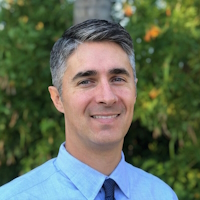 Wesley Sims, PhD, NCSP, is an Assistant Professor in School Psychology in the School of Education at the University of California, Riverside. Over the course of his career, in addition to his work as a researcher and trainer, Dr. Sims served a variety of schools and populations as a practicing school psychologist, and has garnered extensive experience facilitating school-wide, as well as individualized support services. Dr. Sims’ research foci include improving educator service delivery practices within tiered service delivery systems, implementation science in educational settings, and assessment development and validation.