What started as a friendly wager between colleagues transpired into a rollicking way to end a regional psychology conference. The 2024 Southeastern Psychological Association (SEPA) hosted a Psychology College Bowl in collaboration with Psi Chi. We offer a description of the event as well as some tips for other adventurous conference groups that may wish to adopt the practice, which was deemed a hit by faculty and students alike.
The challenge was conceived at the 2023 SEPA in New Orleans, in which a playful rivalry about student attendance numbers [Why did Georgia College & State University (GCSU) always have more students in attendance than the University of West Florida (UWF)?] grew into a challenge of another kind. Noland White (GCSU) and Jane Halonen (UWF) agreed to stage a college bowl competition at the 2024 conference in Orlando and quickly recruited Karen Brakke (Spelman College) to round out the coordinating team for the event. We also recruited student success expert Stephen Chew to moderate the event before we departed New Orleans.
Tim Hanchon, program manager for SEPA, agreed to the college bowl proposal and moved quickly to make arrangements with the host hotel in Orlando for appropriate ballroom space during the final hours of the conference. We drafted an infographic for SEPA to announce the event, encouraging interested colleges and universities to register to secure a spot for the competition. We asked them to report their team names, list four student members and an alternate, and identify their faculty advisor to complete registration. The infographic briefly described the nature of the competition and promised prizes for bowl performance as well as recognition for best costume, team name, and school spirit. Teams from twelve schools quickly registered.
The coordinating team then went to work on preparing various aspects of the big event, including maintaining contact with registered teams, securing publisher support to cover the cost of prizes and refreshments, ordering and securing prizes, gathering supplies (whiteboards, markers, etc.), and creating name placards for the teams.
The conference hotel was adjacent to the Wizarding World of Harry Potter at Universal Studios. Consequently, the coordinators proposed a quiz bowl format that included four rounds of questions, three related to psychology content and one designed to tap expertise about Harry Potter. To protect against any potential bias concerns surrounding insider knowledge that might give an advantage to coordinators’ teams, coordinators recruited other colleagues at their home institution to serve as faculty advisors for the event. In addition, we recruited test item writers from outside the region. Regan Gurung (Oregon State University) created questions related to the social science areas of psychology, and David Kreiner (University of Central Missouri) assisted with the biological end of the psychology spectrum. Barney Beins (Ithaca College) drafted history questions, and Missy Beers (Ohio State University) submitted Harry Potter trivia items (or “triviosa,” as we called them). The questions were compiled and organized by moderator Stephen Chew.
In the final two hours of the conference, the SEPA Psi Chi College Bowl witnessed ten teams following through in the competition, many in costume or bringing good luck charms and props to help them prevail. Many team names were impressively Harry Potter-esque, including Slytherlynn (Lynn University) and the award-winning Harry Potter and the Goblet of Raw SPSS Data (High Point University). The best costume for the event was awarded to Lynn University, with UWF taking the top prize for best team spirit.
Each team brought an official scorekeeper to their assigned roundtable. Friends and faculty gathered at the rear of the ballroom and tested their own knowledge with provided scorecards as they watched their teams compete.
At the event’s outset, moderator Chew reviewed the essential rules of engagement for the competition: Official team members had to refrain from getting support from outside the student team and from using digital devices. Audience members also were encouraged to avoid giving overt or subtle help to their preferred teams. Our design emphasized collaboration rather than the traditional college bowl format that emphasizes response speed. Once the moderator asked the question, the teams had 30 seconds to collaborate on their best answer on a whiteboard. On cue from the moderator, all teams with proposed answers to the question held up their whiteboards to find out if they had succeeded. Each round had ten questions. Completing all four rounds took about 75 minutes. After the final round of questions, teams tabulated their scores for the psychology questions and for the Harry Potter questions. Then Chew revealed the winners.
UWF’s Dead Sirius edged out the Rollins Dementors for the trophy, representing the best total score in the psychology rounds. In a nailbiter that required two tie-breaker questions, the Georgia College & State University Banana Slugs prevailed over Winthrop University’s Statistically Significant for the Harry Potter round. The winners were given Harry Potter fidget spinners as their prize.
One faculty member observed that the energy level in the room was remarkably high, especially given that the event took place on the final morning of the conference. Many participants advocated for a 2025 rematch in Atlanta, and that proposal has earned SEPA’s endorsement. Rumor has it that the special round might involve expertise in Marvel movies filmed in Atlanta. We are grateful to all those teams who brought their best effort and energy to the event and look forward to Round 2 in 2025.
 Jane S. Halonen is a professor at the University of West Florida, a distinguished Psi Chi member and a confirmed Potterhead.
 Karen Brakke is a professor at Spelman College and a member of Psi Chi who directs the Southeastern Teaching of Psychology (SETOP) conference. She is the former governess to bonobos and chimpanzees.
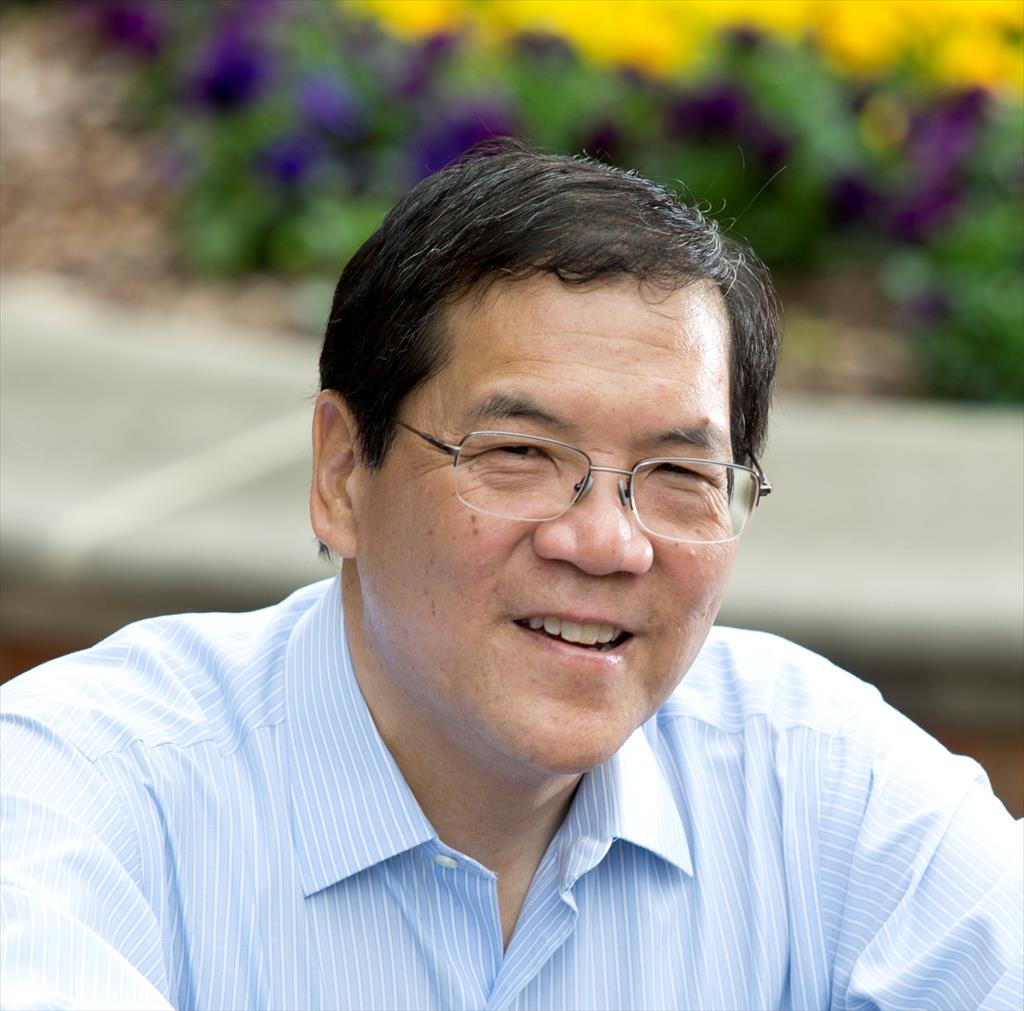 Stephen L. Chew is a legendary study skills video star, a Samford University professor, and a distinguished Psi Chi member.
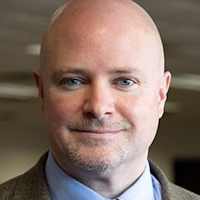 Noland White is a professor at Georgia College & State University and a Psi Chi member, but is also well known locally for his award-winning barbecuing expertise.