



If you are anything like us, seeing your students enjoy learning, apply course material, revel in the academic enterprise, and “get it” makes your heart swell. Many times this year, we have walked to class with eager anticipation to engage with our students and inspire them to learn. Yes, we love teaching and, as social psychologists, we often apply our field to the classroom (think, positive attributions and adaptive appraisal). We also recognize that many of the challenges of teaching may preclude our savoring the joys of teaching (think, stacks of grading and academic dishonesty). Still, we believe we can maintain joy by incorporating ways to effectively and efficiently teach…and caring for ourselves so we can be there for our students.
With so many books on teaching and learning, umpteen blog posts, conferences, webinars, websites, and continuing education opportunities, it is easy to feel overwhelmed by the fire hose gush of resources clamoring for our pedagogical attention. Sure, we may want to learn more about how best to teach a specific topic or a specific population using a specific tool, but if we are already strapped for time (and feeling the weight of living in a tumultuous era at all levels), how can we do it?
Here’s some good news. We have crafted a resource that may be your one-stop shop. Teach Like a Champ (Gurung & Hammer, 2026) or TLC, rolling off the press this June, promises to provide you with guidance, strategies, and inspiration. If you feel like you are always under a time-crunch, TLC can give you what you need to whet your appetite for pedagogical manna. If you are new to teaching or have never had the opportunity to receive extensive training on the art and science of pedagogy, TLC provides a broad overview of the many elements that make for good teaching. Additionally, if you have lost your passion for teaching (or never really had it), we present strategies for teaching with passion. Our goal is to involve you in a conversation about teaching, inviting you to hear our human, caring voices, with advice built on the bedrock of science. We weave practical advice in with what science has suggested are the better practices in teaching.
We are always mindful that teaching is contextual. Far too often, teaching experts espouse universal ‘best’ practices. The reality is no techniques work for every classroom, everywhere. We recognize that teaching large classes in research-focused universities is different from teaching small classes in teaching-focused colleges, which is different from teaching in high school. We also recognize that teachers from historically minoritized groups have a different experience in the classroom than their nonminoritized peers. In TLC, we are upfront about contextual challenges. We share personal experiences from a non-White and a female perspective to discuss difficult topics such as being asked to do too much and dealing with difficult student interactions.
Our goal in this book is to give you a clear sense of the prize you can set your eyes on; that is, your students. Sifting and winnowing through the excellent (and vast) books on teaching written over the last 20 years, we provide a straightforward, concise discussion of pedagogical effectiveness, coupled with evidence-informed strategies to be efficient, all while making sure not to forget about all else that makes us human—our personal lives, friends, families, and our health and well-being.
In addition to our advice, TLC provides you with a list of books that we believe encompass the canon for teaching (and teaching with heart). We start with basic philosophical questions: Why do you teach? What excites you about teaching? Understanding your motivation for teaching informs the decisions you make about teaching. We firmly believe in the importance of remembering your motivation for teaching and maintaining a willingness to learn about teaching.
We next move to the fundamentals of good teaching. We cover course design, assessment, instructional methods, inclusive teaching, and technology. We also help you answer a critical question: How do you know if you are effective? There are different definitions of great teaching and critical points to know about student evaluations of teaching. We then shift our focus to be an effective teacher without shortchanging students’ learning experiences. We want to help you maintain your sanity and be as content as possible while you aim to be the best teacher possible. We suggest techniques to help you cope with heavy teaching loads, managing many students, and grading with minimal stress. And yes, for each of these challenges, we directly address ways that AI can be used ethically and effectively.
Finally, we end the book by discussing the absolute necessity of caring for yourself, as well as the evidence to back this up. After all, can we truly educate the whole student if we are not whole ourselves? Collectively, we have been teaching for nearly 60 years, and we know how important it is to maintain your teaching champ status over time and avoid burnout. TLC will help you focus on ways to maintain your passion for teaching and student learning while balancing work and personal life. If you have ever needed permission to take active measures not to sweat the small stuff, we will remind you that many hassles teachers encounter are, indeed, the small stuff.
Teaching is an important job, as we create the future leaders of our world. We hope this new resource will help you find ways to make what you do joyful.
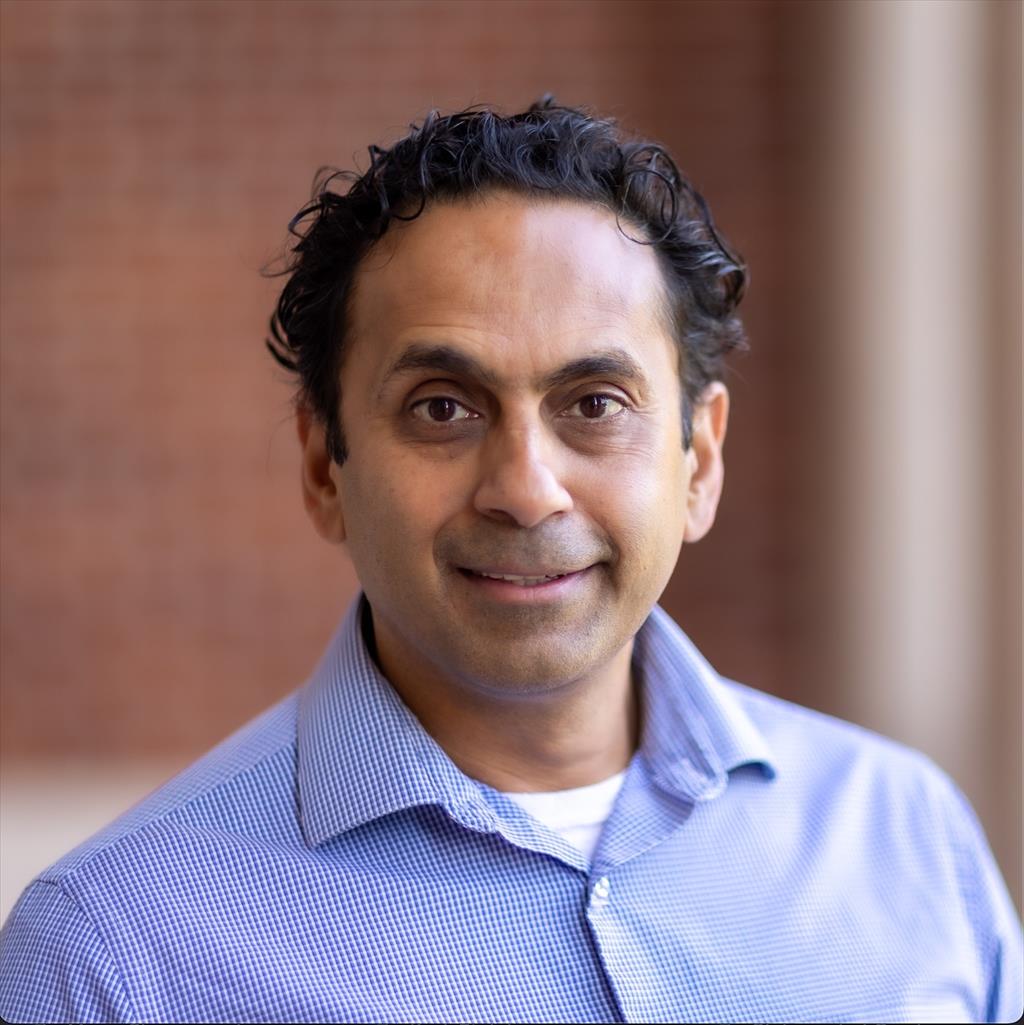 Regan A. R. Gurung is a social psychologist by training with research encompassing social, health, and pedagogical psychology. He has had over 130 articles published in peer-reviewed journals and has coauthored/coedited 15 books. His most recent books are Teach Like A Champ (with Elizabeth Yost Hammer), Study Like A Champ (with John Dunlosky), Transforming Introductory Psychology (with Garth Neufeld), and Thriving in Academia (with Pam Ansburg & Mark Basham). He is founding coeditor of APA’s journal Scholarship of Teaching and Learning in Psychology, cochaired the APA Introductory Psychology Initiative, and is past president of Psi Chi, the International Honor Society in Psychology, and the Society for the Teaching of Psychology. He is the recipient of the American Psychological Foundation’s Charles L. Brewer Award for Distinguished Teaching in Psychology. At Oregon State University, he is a professor of psychological science and was the recipient of the 2024 Margaret and Thomas Meehan Honors College Eminent Mentor, and Oregon State University’s highest teaching award, the Elizabeth P. Ritchie Distinguished Professor Award (2024).
 Elizabeth Yost Hammer is a Kellogg Professor in Liberal Arts in the psychology department at Xavier University of Louisiana. A social psychologist by training, Liz is a recipient of the American Psychological Foundation Charles L. Brewer Distinguished Teaching of Psychology Award as well as her university’s Norman C. Francis Faculty Excellence Award in Scholarship. She is a coauthor of Psychology Applied to Modern Life, now in its 13th edition. She is also a coauthor for the 4th edition of Myers’ Psychology for the AP® Course. She has contributed chapters to several books intended to enhance teacher preparation including The Oxford Handbook of Psychology Education and The Handbook of the Teaching of Psychology, and recently published Teach like a Champ (with Regan Gurung) that is coming out this summer. Liz was a participant in APA’s Introductory Psychology Initiative, and she has served as president of Psi Chi, treasurer of the Society for the Teaching of Psychology, cochair for APA’s Committee on Associate and Baccalaureate Education, and chief reader for the AP® Psychology Exam. For 17 years, she was the director of Xavier’s Center for the Advancement of Teaching and Faculty Development, but her favorite time has always been in the classroom. She, her husband, and their two dogs, work and play in New Orleans, Louisiana.