



Live webinar air date: November 7, 2025, 1 p.m. Eastern time
Date
CE credits
3
Exam items
18
Description
Given the breadth of the autism spectrum, differential diagnosis is challenging in adults. Many have accommodated and adapted to the signs of autism, leading to a complex clinical presentation, and information about the early developmental period may be limited. This intermediate webinar provides a comprehensive perspective on the strategies and cultural considerations surrounding differential diagnosis of adult autism. Presenters highlight gaps in research about autism in women, BIPOC, and LGBTQ+ communities and offer preliminary data from their clinic. Participants will learn best practices to assess differences between autism and ADHD, social anxiety, personality features, etc. using interactive case examples.
Learning objectives
- Describe current research findings about autism prevalence and demographic data.
- Explain the diagnostic challenges when assessing adults for autism.
- Discuss the clinical impact of the under-representation of women, BIPOC, and LGBTQ+ populations in autism research.
- Identify key differentiating features of adult autism.
Presenters
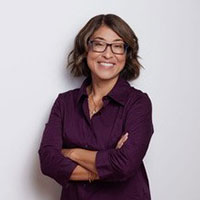
Dug Y. Lee Lebel, PhD, ABPP
A board-certified couple and family psychologist practicing out of North Carolina. Currently, she mainly conducts psychological evaluations. Lee Lebel has presented workshops for professional and lay audiences around the country and online and previously served as an adjunct professor for Antioch University Seattle, York University, and Fairleigh Dickinson University. Outside of psychology, Lee Lebel is an artist and avid athlete, and she lives with her husband and geriatric cat.

Rachel L. Loftin, PhD
A clinical psychologist and the chief clinical officer at Prosper Health, a neurodiversity affirming company that aims to make life happier and healthier for autistic adults. Previously, Loftin worked in academic medical settings, clinical practice, and forensic cases- all with an emphasis on autism. She held faculty appointments at Yale and Northwestern Universities and was the clinical director of the autism center at Rush University, where she was also an associate professor.
