



Live webinar air date: August 21, 2026, 1 p.m., Eastern time
Date
CE credits
3
Exam items
18
Series
Description
This program introduces psychologists, mental health clinicians, and clinicians in training to evidence-based, neuroaffirming strategies for providing mental health treatment to autistic youth and adults. Participants will learn about core autism features and the high prevalence of co-occurring mental health conditions, alongside common gaps in clinician training that create barriers to care. The program teaches practical strategies for adapting psychotherapy, including assessing sensory needs, identifying social camouflaging, and addressing the Double Empathy Problem. Through brief didactics, case examples, and interactive exercises, attendees gain concrete skills they can immediately apply to improve therapeutic effectiveness with autistic clients.
Learning objectives
- Describe at least three autism-related features (e.g., sensory processing differences, social camouflaging, communication styles) that influence assessment, case conceptualization, and delivery of mental health treatment for autistic youth and adults.
- Identify and apply three evidence-informed strategies for adapting evidence-based psychotherapies (e.g., Cognitive Behavioral Therapy, Dialectical Behavior Therapy) to meet the mental health needs of autistic clients in a neuroaffirming manner.
- Demonstrate at least two clinician behaviors that address the Double Empathy Problem (e.g., modifying communication style, validating autistic perspectives) to strengthen therapeutic alliance with autistic clients.
Presenters
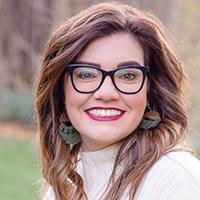
Lindsey Sneed, PhD
A licensed clinical psychologist and vice president of clinical excellence at Catalight. She leads research and clinical innovation to improve mental health outcomes for autistic youth and adults. With over 18 years of experience, her work focuses on adapting evidence-based interventions, including Cognitive Behavioral Therapy and parent-mediated approaches, to meet the needs of neurodivergent individuals. She also owns a private practice serving autistic clients using evidence-based, neuroaffirming care.
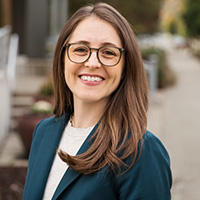
Alana McVey, PhD
A licensed clinical psychologist at the Center for Behavioral Medicine (CBM) in Brookfield, Wisconsin. With over a decade of autism research, her work focuses on the assessment and treatment of co-occurring mental health concerns in autistic people. She offers full-model dialectical behavior therapy at CBM and provides consultation and training in evidence-based treatment adaptations for autistic clients. She brings a wholehearted approach to her work, grounded in research and a deep respect for each person’s lived experience.
