



Live webinar air date: July 24, 2026, 1 p.m., Eastern time
Date
CE credits
3
Exam items
18
Series
Description
This introductory program introduces a biopsychosocial framework for understanding death-related grief and demonstrates how this approach can be applied to the assessment of bereaved individuals seeking mental health services. Emphasis is placed on integrating biological, psychological, and social–cultural factors to improve assessment accuracy, avoid pathologizing normative grief, and support trauma-informed, culturally responsive, and ethical clinical care for diverse bereaved clients.
Learning objectives
- Summarize the biological, psychological, and social–cultural characteristics of normative grief.
- Describe four categories of risk factors that increase the likelihood of complications in the grieving process.
- Develop an assessment packet that includes standardized grief measures and an intake form that addresses key biopsychosocial factors of grief.
Presenter
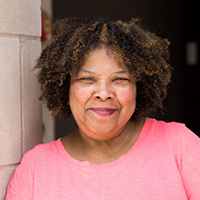
Sonya Lott, PhD
A licensed psychologist with more than three decades of experience and a prolonged grief specialist in private practice. She serves as a facilitator of continuing education at the Center for Prolonged Grief at Columbia University’s School of Social Work and is a contributing author to the book Living with Grief: Understanding Prolonged Grief Disorder, published by the Hospice Foundation of America.
