



Live webinar air date: September 25, 2026, 9 a.m., Eastern time
Date
CE credits
2
Exam items
15
Series
Description
This webinar discusses how innovative technologies are transforming the practice of clinical neuropsychology, both within and beyond the clinic. This program highlights emerging digital tools, novel assessment platforms, and data-driven approaches that can enhance diagnostic precision, improve access to care, and support more personalized interventions. The presenters will also consider practical implementation issues, including workflow integration, training, and ethical considerations. Attendees will gain a forward-looking perspective on how to thoughtfully incorporate new technologies into everyday neuropsychological practice.
Learning objectives
- Describe key emerging technologies and digital tools in clinical neuropsychology and how they can enhance assessment, diagnosis, and intervention.
- Evaluate the potential benefits, limitations, and ethical considerations of integrating innovative technologies into routine neuropsychological practice using a stepped-care model.
- Identify practical strategies for implementing technology-enabled methods (e.g., digital assessments, tele-neuropsychology, data analytics) within existing clinical workflows to improve patient care and access.
Presenter
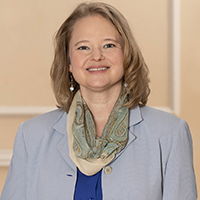
Sara L. Weisenbach, PhD, ABPP
Chief of neuropsychology at McLean Hospital and associate professor at Harvard Medical School. She is a nationally recognized expert in cognition and emotional health in older adults. She has received funding from NIH and the VA for her work in this space and has published over 60 journal articles, chapters, and books. She is past president of the Society for Clinical Neuropsychology, where she prioritized the integration of technology into clinical neuropsychology practice.

Shifali Singh, PhD
A clinical neuropsychologist, assistant professor, and director of the digital neuropsychology and brain health Laboratory at McLean Hospital/Harvard Medical School. Her work focuses on leveraging technology to enhance neuropsychological assessment by improving risk prediction, diagnostic accuracy, and access to high-sensitivity cognitive monitoring over time. She currently serves on the APA CPT Advisory Board, leads the ANST Neurotechnology Focus Group, and is past-president of Division 12 Section 10.
