



Live webinar air date: May 15, 2026, 2 p.m., Eastern time
Date
CE credits
2
Exam items
15
Series
AI, Technology, and Growing Minds
Purchase all four items in this series for a discounted price
Description
While robust research and discussion have focused on adolescent device engagement behaviors and safety, device use by primary caregivers has received relatively little investigation. This topic has now, however, become a point of emerging interest, especially surrounding the potential impact of a primary caregiver’s device use on child attachment security. It was also the basis for two national research studies recently completed by the presenter. This webinar will focus on those research studies and their outcomes which evidenced that a significant relationship does exist between caregiver device use and the attachment security bond with a child.
Learning objectives
- Describe and explain established attachment styles.
- Identify, recognize, and assess any potential attachment security threats and/or risks which could be related to a parent’s/primary caregiver’s device-centric behaviors.
- Apply content to help clients, patients, parents/caregivers, other practitioners, and students with skills to identify and reconcile any existing attachment ruptures related to a parent/caregiver’s device use and then avoid creating any new ones in the future.
Presenters
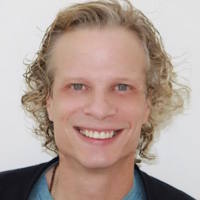
Don Grant, PhD, MA, MFA, DAC, SUDCC IV
An award-winning media psychologist, author, and researcher with specific expertise in technology’s impact on mental health. He is an APA fellow and past president of Division 46 (The Society for Media Psychology and Technology). He currently serves as a Division 46 Executive Board member-at-large, Device Management and Intelligence Committee co-chair, APA Advocacy division partner liaison, division science partner, and treasurer of the California Psychological Association Division VI (Media Technology and Communication).
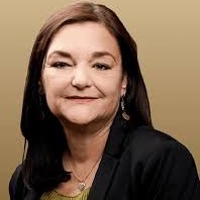
Barbara Nosal, PhD
Nosal has worked with teens, young adults, and families in the field of mental health and addiction treatment for almost 30-years. She held supervisory and leadership positions, as well as served on the faculty of National University and University of Phoenix. As founding clinical director of Newport Academy, she developed their clinical and family treatment model. As chief clinical officer of Newport Healthcare she oversees clinical operations and services at their residential and outpatient programs. Nosal holds a doctorate in transpersonal psychology and masters’ degrees in counseling psychology and human services. She is a licensed marriage and family therapist and licensed alcohol and drug counselor. Specializing in attachment and relational trauma, Nosal integrates family systems concepts with attachment-based practices to heal childhood trauma and deepen relationships amongst family members.
