


1
CE credits
Exam items
6
Series
Description
This course focuses on a practical diagnostic reasoning approach to help licensed health service psychologists and mental health clinicians effectively evaluate adults who may need or may be seeking an initial autism diagnosis. We’ll compare autism to overlapping clinical presentations to identify their differences, explore the impact of access barriers and underrepresentation, and gain evaluation experience using fictional case studies of adults seeking an initial autism diagnosis.
CE Essentials ecourses feature a variety of interactive learning components, including expertly developed written content, knowledge checks, case-based examples, reflective exercises, and multimedia resources that reinforce key concepts and encourage active engagement.
This product is not included in the APA Unlimited CE program.
Learning objectives
- Recognize how individual differences, changes over time, masking, camouflaging, and underrepresentation can affect how autism shows up in adults.
- Identify the key evaluation components that should be considered when conducting an autism assessment of an adult.
- Distinguish autism from other commonly co-occurring or overlapping clinical conditions.
- Assess adult clients to identify key signs of autism to ensure an accurate and appropriate diagnosis.
Subject matter experts

Dug Y. Lee Lebel, PhD, ABPP
Lee Lebel is a board-certified couple and family psychologist practicing out of North Carolina. Currently, she mainly conducts psychological evaluations. Lee Lebel has presented workshops for professional and lay audiences around the country and online and previously served as an adjunct professor for Antioch University Seattle, York University, and Fairleigh Dickinson University. Outside of psychology, Lee Lebel is an artist and avid athlete, and she lives with her husband and geriatric cat.
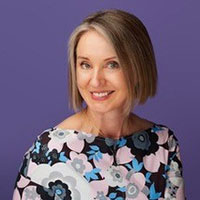
Rachel L. Loftin, PhD
Loftin is a clinical psychologist and the chief clinical officer at Prosper Health, a neurodiversity affirming company that aims to make life happier and healthier for autistic adults. Previously, Loftin worked in academic medical settings, clinical practice, and forensic cases—all with an emphasis on autism. She held faculty appointments at Yale and Northwestern Universities and was the clinical director of the autism center at Rush University, where she was also an associate professor.
