



Live webinar air date: March 18, 2025
Date
CE credits
1.5
Exam items
10
Series
Navigating the Long COVID Landscape from a Psychological Lens
Purchase all 3 programs in this series for a discounted price
Description
The first presenter will review how to evaluate the clinical presentation of post-covid neuropsychiatric syndrome to differentiate between primary neurological sequelae and alternative contributory factors using a systematic diagnostic approach. They will discuss how to analyze the interaction between pre-infectious factors, infectious course characteristics, and post-infectious conditions to develop appropriate neuropsychological assessment strategies for long covid patients.
The second presenter will review how to recognize the most common symptoms of long covid and understand their effects on physical health, cognitive functioning, and emotional well-being. They will discuss of how to identify key cognitive and mental health challenges linked to long covid brain fog and analyze their impact on individuals’ daily activities and quality of life. The presenter will explain how to apply evidence-based cognitive and behavioral interventions designed to address the unique needs of individuals with long covid.
Learning objectives
- Formulate evidence-based diagnostic formulations that incorporate both neurocognitive and functional-somatic mechanisms in patients presenting with post-covid neuropsychiatric features.
- Identify key cognitive and mental health challenges linked to long covid brain fog and analyze their impact on individuals’ daily activities and quality of life.
- Summarize emerging research on the neuropsychological and rehabilitation strategies supporting those living with long covid.
Presenters

Tracy Vannorsdall, PhD
Vannorsdall is a board-certified clinical neuropsychologist and associate professor at the Johns Hopkins University School of Medicine. She serves as the director of the Division of Medical Psychology and is a member of the Johns Hopkins Post-Acute COVID-19 Team, one of the earliest dedicated multidisciplinary COVID-19 survivorship clinics in the U.S. Through this clinic and other research collaborations, she is working to understand the neuropsychological sequelae, risk factors, and treatment needs associated with SARS-CoV-2 infection.
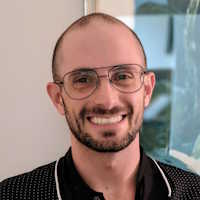
Eric Watson, PhD
Watson is an assistant professor and board-certified neuropsychologist in the Department of Rehabilitation and Human Performance at the Icahn School of Medicine at Mount Sinai. During the height of the pandemic, he provided individual support to health care workers navigating trauma reactions in new frontline care roles. Since Fall 2020, he has established a specialty in understanding the neuropsychology and rehabilitation needs of those living with post-acute COVID-19 symptoms and the impact of the pandemic on those living with traumatic brain injury.
