

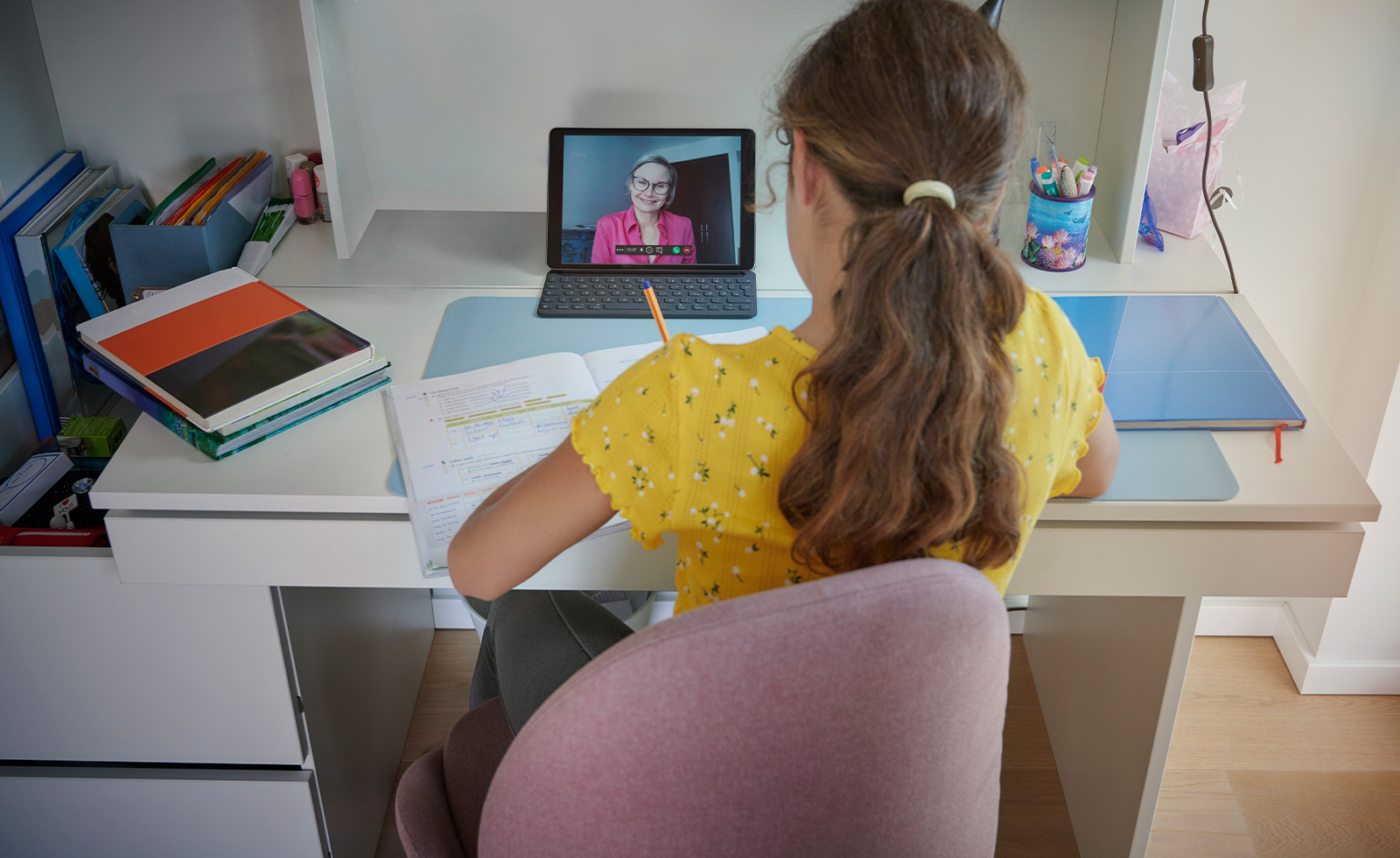
Use the following lessons in your classroom to help students adapt and grow academically, emotionally, and socially with resilience-building skills. These materials were originally developed to help students who were navigating the challenges related to school and the COVID-19 pandemic but were revised in 2024 to promote skills that can be used to cope with a broad range of stressors.
Two modules are provided below:
These materials may be especially useful to elementary or middle school counselors or teachers in grades 4–8 and high school advisory period, health, and psychology teachers.
This resource is supported by cooperative agreement NU87PS004366 funded by the Centers for Disease Control and Prevention (CDC). Its contents are solely the responsibility of the authors and do not necessarily represent the official views or endorsement of the CDC or the Department of Health and Human Services.
This resource is a product of CDC funding received between 2018 and 2024.
High school module
Format: Five sessions, minimum 10–15 minutes each. Lesson outlines, supporting materials (e.g., worksheets, video links), resources, and references are provided in the full module.
Summary: These learning lessons can be used in the classroom to help students build resilience skills. The acronym V → BAM (Values → body, actions, and mind) is used as the basis of the learning sessions. Students will learn how their values impact their choices, how stress affects the body, how their actions can be helpful or unhelpful in coping with stress, and how their thoughts influence their feelings and ability to cope with stress.
Presenter: Teacher (primary), school counselor, or other school staff member.
Sample parent/guardian letters & resources
Lesson 1: Values
Use this lesson to introduce students to the concept of resilience. Students will identify at least two values they hold important and learn how to use their individual values to adapt to stressors or challenges.
Lesson 2: The body
Use this lesson to help students understand how stress may manifest in the body and learn strategies for relaxing their bodies when they feel stressed.
Lesson 3: Actions
Use this lesson to help students understand how stress impacts their actions and learn strategies for mitigating its effects on their bodies.
Lesson 4: The mind
Use this lesson to help students understand how our beliefs, thoughts, and mindset can impact our experience of stress and strategies for practicing positive self-talk and other resilience-building strategies.
Lesson 5: Putting it all together
Use this lesson to help students apply concepts learned in previous lessons by writing a letter to their younger selves.
Grades 4–8 module
Format: Three sessions, minimum 10-15 minutes each. Lesson outlines, supporting materials (e.g., worksheets, video links), resources, and references are provided in the full module.
Summary: These learning lessons can be used in the classroom to help students build resilience skills. The acronym BAM (body, actions, and mind) is used as the basis of the learning sessions. Students will learn how stress affects the body, how their actions can be helpful or unhelpful in coping with stress, and how their thoughts impact their feelings and ability to cope with stress.
Presenter: Teacher (primary), school counselor, or other school staff member.
Sample parent/guardian letters & resources
Lesson 1: The body
Use this lesson to help students understand how stress may manifest in the body and learn strategies for relax their bodies when they feel stressed.
- Lesson overview and outline (PDF, 61KB)opens in new window
- Suggested script for lesson 1
- BAM! puzzle worksheet (PDF, 33KB)opens in new window
- Label the effects of stress on the body worksheet (PDF, 69KB)opens in new window
- Answer keys for activities in lesson one (PDF, 107KB)opens in new window
- Video: Just Breathe: Calm Yourselfopens in new window
- BAM! Summary Lesson 1 (PDF, 29KB)opens in new window
Lesson 2: Actions
Use this lesson to help students understand how stress impacts their actions and learn strategies for mitigating its effects on their bodies.
Lesson 3: The mind
Use this lesson to help students understand how our beliefs, thoughts, and mindset can impact our experience of stress and strategies for practicing positive self-talk and other resilience-building strategies.
- Lesson overview and outline (PDF, 52KB)opens in new window
- Suggested script for lesson 3 (optional)
- BAM! Puzzle worksheet (PDF, 33KB)opens in new window
- Seven thinking errors worksheet (PDF, 38KB)opens in new window
- Challenge questions worksheet (PDF, 32KB)opens in new window
- BAM! Summary Lesson 3 (PDF, 30KB)opens in new window