
What inspired you to make a bequest to APF?
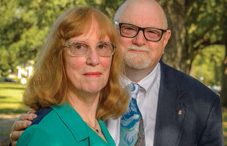
It wasn't any one thing. We started making donations to APF to honor friends' accomplishments, as well as in memory of colleagues who had died. We do not have children — other than our cat, whom we regard as a child — nor do either of us have siblings.
As we considered estate issues, it was just a natural progression from our prior form of giving to a bequest. It is a way to both acknowledge those psychologists who mentored us and had such a profound impact on our development and success in the profession and to support the growth and vision of both our former and future psychology students.
What kind of research would you like to see your gift support?
If possible, we would like some of the funds to be used as travel grants for students to attend APA's Annual Convention. The opportunity to talk to presenters at poster sessions, symposia and in division suites not only stimulates the exchange of ideas but also professional identity. It broadens students' professional views beyond the scope of their academic institution. We can't predict what areas of research might need funding, but we feel strongly about the importance of personal interaction to stimulate creativity.
Why is giving back so important for psychologists?
As a dual-psychologist couple, much of our lives has revolved around the discipline. Psychology has been our profession, our personal identity and the source of friendships that would not otherwise have occurred. If the profession is to be able to continue to grow in multiple directions, today's psychologists need to consider how they can best support that growth. For us, that support means both personal interaction in the profession and a financial support for the future. We believe that giving money to APF is the best way for us to pay it forward.
What's your legacy?
A bequest makes a personal, powerful, lasting impact on future generations of psychologists that costs nothing during your lifetime. This is an easy way to ensure the field flourishes and critical issues are tackled. Giving is as simple as including a single sentence in your will. For more information on how you can ensure your legacy in psychology, visit APF or contact Rachael Lipsetts.