


Graduate students who serve as teaching or research assistants at private colleges and universities can now form unions and be treated as university employees, thanks to a federal ruling.
The decision came as a result of an appeal by the Graduate Workers of Columbia [University] and the United Auto Workers, which had asked the National Labor Relations Board in 2015 to overturn a 2004 ruling that found Brown University graduate students were not employees and therefore were not entitled to collective bargaining rights.
The decision means that graduate assistants at Columbia—and by extension those at other private universities—can bargain collectively for better salaries, benefits and working conditions. (Graduate assistants at some public universities are already unionized, depending on the state.)
Students had fought for the ability to unionize in response to the growing trend of universities that—in an effort to save money—hire graduate students instead of professors to teach classes. Students' complaints also included opaque administrative policies, unpredictable and low funding, and students' inability to meet such basic expenses as rent and medical coverage.
"Many universities survive largely on the labor of underpaid graduate students since grad students teach a huge chunk of courses for the university," says Dana Miller-Cotto, a doctoral candidate in educational psychology and graduate research assistant at Temple University who was president of Temple's graduate student union in 2014–15. "Some grad students teach two or more classes per semester while fulfilling course requirements and participating in research that may or may not actually benefit their careers in the long run." Meanwhile, many cannot afford to pay all of their bills, and do not receive funding over the summer, she says.
For psychology graduate assistants, the message is that they are now supported by law to pursue unionization and can collectively bargain over the terms of their employment if they so choose, says APAGS Chair Ian Gutierrez, a fifth-year clinical psychology student at the University of Connecticut who helped lead a successful unionization effort at his university in 2014.
"What is most important is that people know their rights and feel empowered and supported in pursuing change in their academic communities when they believe that change is needed," Gutierrez says.
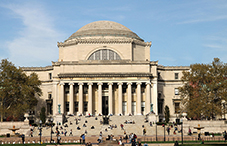
Advocacy by Columbia University graduate students has opened the door for graduate students at private schools nationwide to have the right to join unions.
For insights on how graduate students can band together on issues that are important to them, visit "Organizing: A Primer" at www.apa.org/gradpsych/2016/04/organizing.