
When patients with digestive problems come to April L. Schulte-Barclay, a doctor of acupuncture and Oriental medicine, one of the first things she asks about is their emotional wellbeing. "I can do acupuncture and give them Chinese herbs, but if they continue worrying, their digestion will still be weak and they won't achieve true health and balance," says SchulteBarclay, who devoted more than 4,200 hours of study to earn her doctoral degree from the Oregon College of Oriental Medicine in Portland.
That belief in the connection between emotional and physical health is why Schulte-Barclay is so happy to have psychologist Paula King, PhD, at the clinic she directs in Grand Junction, Colorado. Founded in 2004, Healing Horizons Integrated Health Solutions brings together practitioners from several disciplines—including behavioral health, acupuncture, Chinese medicine, nutrition, massage, craniosacral therapy and homeopathy—who work together to enhance patients' overall wellness. King and her colleagues also collaborate with outside chiropractors, physical therapists, psychiatrists and physicians practicing western medicine.
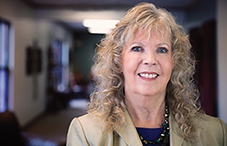
"The focus is on how to help people be as healthy as they possibly can be in all aspects of the self," says King, who provides behavioral health, psychological and coaching services.
King earned a doctorate in counseling psychology and adult education from Arizona State University in 1985 and had a traditional clinical psychology practice in Phoenix for 25 years before moving to Colorado, where she opened another private practice a decade ago. "I always had an interest in, belief in and practice oriented toward mind, body and spirit," she says. She began seeing some of Schulte-Barclay's patients, then came on board full time five years ago. "I was looking for an opportunity to truly do integrative care," she says.
While King acknowledges that homeopathy and some of the other services the center offers are still controversial, clients offer positive feedback. "The evidence is in the outcomes we see every day," she says.
King and her fellow practitioners work together closely. With patients' permission, they discuss shared clients and create treatment plans incorporating care from various practitioners. Clients can also sign up for three-month "wellness accumulation" programs to work on specific goals. "We look at what are the things that will support them in meeting their goals and what they already see as roadblocks," says King, explaining that all the practitioners involved in a client's program monitor his or her progress continuously.
Clients who want to lose weight, for example, might work with King to explore potential psychological factors that have contributed to weight gain. "We look at whether there has been trauma or other reasons why it would feel protective for them to put on weight, what they would have to give up if they lost the weight and what would the fear be," says King. At the same time, the practice's nutritionist might create a food plan while Schulte-Barclay might use Chinese herbs and acupuncture to improve the functioning of the adrenal system, which can help with weight loss.
Helping clients address physical illnesses, such as cancer, is a priority for the practice. "We don't work with cancer per se; we work to support clients through their cancer treatment," says King, who's the only practitioner at Healing Horizons whose clinical services are covered by insurance.
The practice also sees many clients with fertility issues. While Schulte-Barclay addresses the physical side via acupuncture, King runs fertility support groups and meets with women and their partners one-on-one to discuss "how to use the mind more effectively to influence the process of becoming pregnant and maintaining a pregnancy." Progressive relaxation, guided imagery and similar techniques can help prepare the body for a healthy pregnancy, she explains.
Other clients have chronic pain, treated via psychotherapy, acupuncture and homeopathy.
King also maintains a general clinical psychology practice within Healing Horizons, treating clients with depression, anxiety, bipolar disorder, post-traumatic stress disorder and other problems. "I'm seeing such benefits for folks coming in with more classical psychological issues being treated in this integrative model that incorporates complementary modalities," she says.
When clients come in with depression, for example, King uses cognitive-behavioral therapy and other psychological approaches. She also uses biofeedback to teach clients how they can use their minds to influence what's going on in their bodies.
She may also encourage them to supplement that with bodywork services as a way of exploring how depression is expressing itself in their bodies. Craniosacral therapy, for example, alleviates muscle tension and "releases the emotional aspects that get stored in the body," she says. "It frees people up to be aware of their emotions in a new way."
Integrated medicine usually means integrating psychology into a western medical practice, says King. "What we do is really rare," she says.