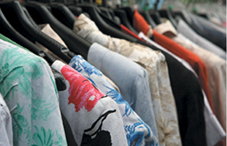

Use less electricity. Drive fewer miles. Many conservation behaviors are often intuitive. But the clothes in your closet? Even environmentally clued-in consumers fail to realize where their garments come from—and how much waste results from creating and disposing of clothing.
"The fashion industry is one of the dirtiest industries in terms of its contribution to environmental degradation, resource use and pollution," says Daniel Benkendorf, PhD, a psychologist who teaches undergraduate psychology in the liberal arts program at the Fashion Institute of Technology in New York City.
Cotton farming requires large amounts of water and pesticides, for instance, while production of synthetic fabrics, such as polyester, releases large amounts of greenhouse gases. While some clothing companies choose sustainable business models, many more take the opposite route, churning out cheap, trendy clothes that are virtually disposable. With such "fast fashion" on the rise, the annual number of garments purchased by the average consumer increased 60 percent from 2000 to 2014, according to management consulting firm McKinsey & Company.
What makes someone drive a hybrid yet fill their closet with fast fashion? Unfortunately, there’s scant research exploring consumer fashion choices from a sustainability angle, Benkendorf says. Those who study the industry must extrapolate from general research on consumer attitudes, intentions and purchasing behavior.
Shoppers are affected by a multitude of factors, from price tags to social pressures. But more work is needed to understand how people make clothing decisions—and how to encourage shoppers to make more sustainable choices, such as investing in more expensive clothing that lasts or paying more for garments made by companies with sustainable business models. "At the moment we’re left guessing," Benkendorf says. —Kirsten Weir