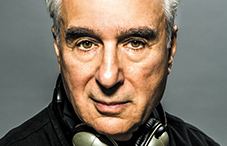

David Van Nuys, PhD, host of the popular psychology podcast “Shrink Rap Radioopens in new window,” began podcasting in 2005 and has now produced more than 600 episodes, each featuring in-depth interviews with leaders from across the broad field of psychology, from “Happiness and Health” with Dacher Keltner, PhD, to “The Promise of Technology for the Aging Brain” with Adam Gazzaley, MD, PhD. The show has had over 4.5 million downloads from listeners across 212 countries.
Van Nuys is an emeritus professor of psychology at Sonoma State University in Rohnert Park, California, where he served as that department’s chair for seven years. He was recognized as an APA Citizen Psychologist in 2018 for his pioneering podcasting work. He also runs a market research consulting business with such clients as The New York Times and Apple Inc.
What inspired you to start “Shrink Rap Radio”?
I was an enthusiastic ham radio operator as a kid and learned a lot about electronics. I’d planned to major in electrical engineering but ended up becoming a psychologist after a college class on abnormal psychology captured my interest.
Flash forward to 2005, when I read a magazine article about Adam Curry, one of the pioneers of podcasting. I thought, What the heck is a podcast? The word intrigued me. I dove in and learned all I could. It appealed to the youngster in me that had loved talking to people from all over the world on ham radio.
I had been a practicing psychologist for over 20 years at that point, as well as a market research consultant, so an interview show made sense.
How did the podcast evolve from there?
I followed my instincts. After interviewing people I knew for the early episodes, one day I read an article in The New Yorker about Philip Tetlock, PhD, a psychologist who’d written “Expert Political Judgment: How Good Is It? How Can We Know?opens in new window” a book about political judgment. I emailed him requesting an interview, and he said yesopens in new window.
After that, I realized I could simply reach out to people in the broad world of psychology. I didn’t have to know them. It was like fishing. Can I get this person? Can I get that person? I enjoyed catching big fish. As “Shrink Rap Radio’s” audience grew, the big fish started to approach me either directly or via their publishers and publicists.
How do you put the show together?
I do everything myself, from setting up interviews, researching and preparing, conducting and recording the interviews to editing and publishing the episodes online. It takes about 10 hours of work per episode. Podcasting has become a lot easier, with technology and services for recording, editing and publishing that have lowered the entry bar considerably. I’ve had great support from the listener community, too, with enthusiastic volunteers helping with social media and transcribing episodes. The podcast is largely self-funded, although I occasionally get listener donations and a small amount of revenue from offering advertising space on my website. The podcast is a labor of love rather than a “quit your day job” venture.
How did your audience grow?
It’s been organic. I’ve not done much to promote it other than encouraging listeners and guests to spread the word.
Over time I’ve learned I have a wide range of listeners—bright adults curious about psychology, undergraduate and graduate students, psychotherapists, either experienced or in training, and professorial types.
My psychology and market research background means that I know how to prepare ahead of time to keep an interview on point, and also be flexible to make it feel conversational.
It’s gratifying to discover that my peers find value in the show. Some psychology professors are assigning selected interviews to their students. “Shrink Rap Radio” interviews are also being used for over 100 online continuing-education units through the Zur Institute, which provides online continuing education for mental health professionals.
What makes for a good interview?
You’ve got to be curious and do your homework. My psychology and market research background means that I know how to prepare ahead of time to keep an interview on point, and also be flexible to make it feel conversational.
I also look for the pieces of the guest’s work that touch me, and I share some of my own experiences as well. The guest is the star, but using stories from my own past helps me connect with my guest and lets my audience know that I’m not an expert on a pedestal—I’m just a human being who struggles with some of the same issues that they do.
I’ve had guests compliment me because they’re so used to quick interviews with soundbites, usually with people who are not in the field. They appreciate having a whole hour to talk about their passion.
After 13 years and more than 600 episodes, what keeps you motivated?
The positive listener feedback is gratifying. The podcast is a lot of work, but when I’m in the moment of an interview, it comes to life and thrills me all over again.
As far as I know, I was the first psychologist to create a psychology podcast. I’m certainly the person who has been doing it the longest. Now there are many others, but I tend not to monitor them. It gratifies me that “Shrink Rap Radio” is still listed under “What’s Hot” in the higher education section of iTunes, even though there’s more competition now.
Listen to the “Shrink Rap Radio” podcast at www.shrinkrapradio.comopens in new window or search for “Shrink Rap Radio” in iTunes and other podcast apps.