
“They tried to bury us. They didn’t know we were seeds.” —Mexican Proverb
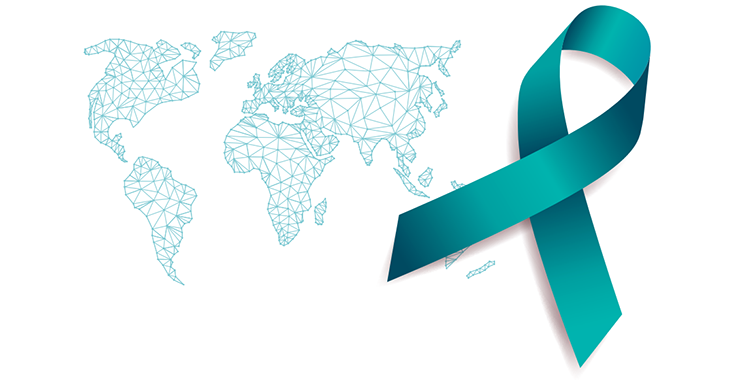
Trauma can devastate survivors and those who care about them. The weight of traumatic stress can weigh people down physically, psychologically, socially, financially, and even spiritually. As a trauma psychologist, I am painfully aware of the co-occurring layers of trauma as we recognize April as Sexual Assault Awareness Month. We are witnessing mass shootings at schools and malls, earthquakes, police brutality, war, and an ongoing global pandemic that constitutes a medical trauma.
While previous generations of psychologists often thought of trauma as a rare specialization for a dedicated set of professionals, there is a growing awareness of the need for more of us in psychology to be trauma-informed. We need to be mindful across all aspects of the field of the pervasiveness of trauma and its potential short- and long-term consequences.
While there are numerous interventions to ease the recovery process for survivors, we need to be intentional about attending to prevention. Instead of relying solely on coping strategies, protective factors, and resiliency factors, we should apply our efforts to developing and supporting relationships, families, communities, and nations that are not plagued by violence. These efforts include working to transform individuals and systems that have far too often normalized aggression and abuse of power.
Along with considering prevention, we need to expand our focus beyond interventions solely focused on symptom cessation. Let’s support human flourishing and thriving with pathways that are culturally attuned and accessible to people of diverse identities. Dr. Maya Angelou wrote, “Surviving is necessary, but thriving is elegant.”
As we consider thriving and as we welcome spring, I’m reminded we don’t have to define ourselves only by the traumas we have been exposed to but also the life-affirming elements of the season. The renewal of spring reminds us of the importance of outlasting difficult seasons. This is also the season of graduation. Let’s use the occasion of this new season to make a greater commitment to trauma prevention and intervention. As someone who has survived, researched, and taught about multiple traumas, I am aware of the massive, yet necessary undertaking that we are endeavoring to tackle at this time. Together, we can shift the tide.