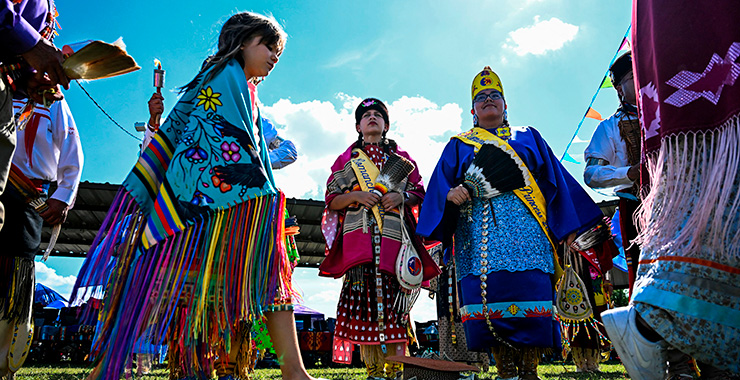
When leaders from APA publicly apologized for psychology’s contribution to the harms suffered by Native people, many Native and non-Native psychologists were moved to tears. It was June 2023 at the annual convention for the Society of Indian Psychologists (SIP), and the hundreds in attendance were experiencing the culmination of a years-long effort to change the way APA takes responsibility for its impact on Indigenous persons and communities.
The field of psychology has caused significant harm to First Peoples, including American Indian, Native American, Native Hawaiian, and Alaska Native people, by providing ideological support for the colonial framework of the boarding school system that forcibly separated children from their families and inflicted cultural eradication. Much psychological research with First Peoples has been exploitive, conducted without any attempt to know or empathize with the Indigenous people being studied. In many cases, APA’s inaction also caused harm. It was not until 2000 that the association began formally opposing destructive policies of adoption and foster care placements of American Indian and Alaska Native children.
The apology journey began in 2020 when Sandra Shullman, PhD, APA’s 2020 president, created a work group with four other non-Native psychologists and two Native psychologists who served as advisers. “Too often we put the responsibility on people of color to apologize to themselves, but I wanted the dominant culture to listen and learn at a deep level through this process,” said Shullman. They built relationships with tribal elders who were members of SIP, and over time this increased trust, and elders began sharing traumatic memories that have had ripple effects through generations. For example, they talked about personal experiences of being separated from their families, taken to boarding schools, and prevented from returning home. In some cases, relatives were taken to mental institutions even though they did not have mental health conditions—and staff in these institutions were cruel and inhumane. “They shared their deepest hurts with us,” Shullman said. These exchanges informed the work group’s 46 recommendations to begin the process of reconciliation by advancing health, growing the workforce, increasing training for clinicians about Indigenous culture, and learning new research methodologies.
Now, a year after APA issued the formal apology, Indigenous psychologists are cautiously optimistic that the suggested remedial actions are creating momentum for this change, including more public awareness about the harms of colonialization, increased advocacy for policies that protect Native American rights, and better collaboration between APA, SIP, and Indigenous psychologists.
The authors of the apology hope the recommendations will help APA maintain a commitment to the following: more active listening, following more and steering less, advocating more and complying less, including more and ignoring less, and collaborating more and commanding less. In other words, APA needs to treat ethnic psychological associations as independent self-governing entities. APA also needs to respect Indigenous ways of dealing with psychological difficulties because they have their own holistic healing and treatment approaches, in addition to theories based on Indigenous ways of knowing and understanding.
“Though much more still needs to be done, I am seeing changes in APA that give me hope that we can be partners in healing,” said SIP President-elect Mark Standing Eagle Baez, PhD, a member of the Coahuiltecan Nation and an associate professor of counseling and clinical psychology at Bemidji State University in Minnesota.