
As decades of psychological science demonstrate, promoting racial equity benefits everyone—and will require work from all of us to fully achieve it. In this special issue, we are proud to offer a comprehensive look into the latest psychological research on the advancement of racial equity as well as inspiring examples of those leading the way. Our goal is to provide you with actionable insights you can implement in your lab, practice, classroom, and community.
The need for action is greater than ever. In recent years, there has been wider acknowledgment of racial inequities and the toll they take on our health, mental well-being, and interpersonal connections. Wounds passed down generationally, unresolved conflict, anxiety, and pain rose to the surface. Simultaneously, there was also a short but significant period of hope, a tipping point that allowed us to galvanize for change. People were willing to take risks—leaning into difficult-to-have and long-overdue conversations, speaking their truth, and championing justice. Communities began listening to one another, and relationships were examined. I remember witnessing people taking responsibility for past harms, owning their personal biases, and letting go of the pressure to say things perfectly. I believe the world began to see the power and benefit of working together to create actual change.
Many of my colleagues in equity, diversity, and inclusion (EDI) were skeptical, wondering if the momentum around racial equity was a moment or a movement. Was this performative, or were we living history in the making? I provide this backdrop because it is easy to forget how recently we felt motivated for change. Now, several years later, EDI sits in a very precarious position in our society.
As psychologists, we know that this work cannot take place in silos, and sometimes we need to go back to the building blocks essential to disrupting the status quo and creating transformative change. This includes positive working and collaborative relationships, which are a fundamental component of the shared processes that EDI calls for. Our science and practice suggest that collaborative relationships are most successful when approached with an openness to diverse points of view, mutual accountability, a willingness to repair, a commitment to building trust, and the ability to live in harmony despite our differences.
APA and the discipline of psychology are not perfect, but we are making strides to disrupt a 130-year history that caused so much harm by continually evolving our practice and organization. Mistakes are inevitable, yet we remain committed to EDI despite trends. At APA, those leading efforts to shape the future of psychology are pushing the envelope each day. We are charting a path forward by confronting our past, engaging in open dialogue, and actively connecting with our members. While this journey has been challenging, it offers a potential blueprint for other organizations confronting their histories of racial injustice. APA recognizes that policy resolutions and action plans are only the first steps in a complex process of healing and reconciliation. Real progress will be evident in the ongoing dedication to embedding the principles of EDI into every aspect of our work, redefining relationships to be mutually beneficial, while strengthening and sustaining areas of positive collaboration.
Succession planning and our leaders’ commitment to carrying this work forward will be vital to advancing our efforts. For this reason, it is critically important to acknowledge the brave and courageous visionaries who paved the way. We also commend the up-and-coming trailblazers who are highlighted throughout this issue for their groundbreaking work and commitment to these efforts.
The work we are undertaking to build a movement toward systemic change leaves me feeling inspired and empowered. As you read this special issue, I hope you will feel the same.
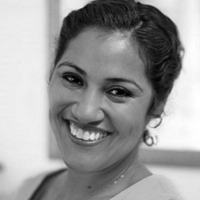
Dr. Maysa Akbar
Chief Diversity Officer
Chief of Psychology in the Public Interest