
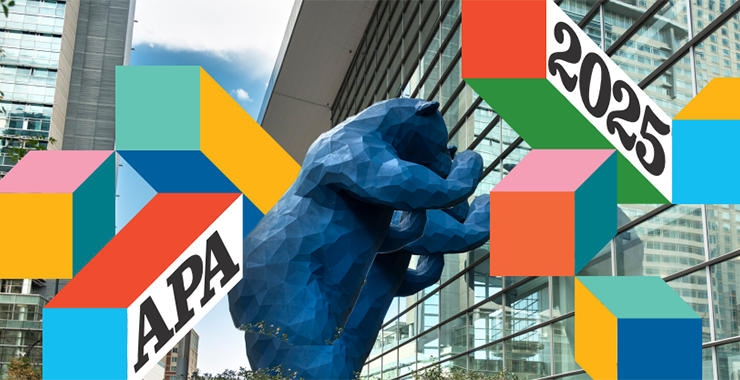
APA 2025’S convention theme beautifully captured the spirit of collective insight and transformative action. “Perspectives Power Possibilities” reminds us that when diverse perspectives are honored and harnessed, they become catalysts for innovation, healing, and justice. At the opening keynote at APA 2025 in Denver in early August, Eric Liu outlined responsible citizenship, setting a resonant tone for the gathering, especially as his work with Citizen University emphasizes civic empowerment rooted in dignity, agency, and shared purpose.
Liu reframes citizenship not as a passive position or obligation but as a shared opportunity to co-create the world we want to see. It is the conscious use of one’s voice, values, and power to shape a more just and compassionate society. His call-to-action centers on three essential acts of engagement:
- Show up—Be present in the spaces where decisions are made and communities are shaped.
- Listen deeply—Seek understanding across difference, with humility and empathy.
- Act together—Recognize that lasting change is forged through collective effort, not individual heroism.
These principles resonate deeply with psychology’s commitment to human rights and ethical responsibility. So, what does responsible citizenship look like in our field?
- Stay informed: The APA/APASI Response Center is a vital hub for real-time updates on policy, advocacy, and psychological science. In a rapidly shifting landscape, staying current allows us to respond with clarity, courage, and care.
- Share your voice: Whether through scholarly writing, public commentary, or personal storytelling, your lived experiences and professional insights can shift narratives and expand public understanding. Your voice matters—and it can move hearts as well as minds.
- Engage policymakers: The data tell part of the story; human experience enriches it. When we speak to legislators, our stories bring life and the impact on real people into the science of psychology, illuminating the realities of those we serve.
- Show up locally: Town halls, school board meetings, community forums, and the ballot box are where democracy is enacted. Your presence and perspective can influence decisions that ripple outward.
- Partner with purpose: Advocacy organizations amplify our reach and deepen our impact. Collaborating with them ensures that our efforts are strategic, sustained, and grounded in community wisdom.
In Liu’s words, “you’re more powerful than you think.” Responsible citizenship is not about perfection—it’s about participation. It’s about showing up with intention, listening with compassion, and acting with others to build a future rooted in equity, resilience, and hope.