


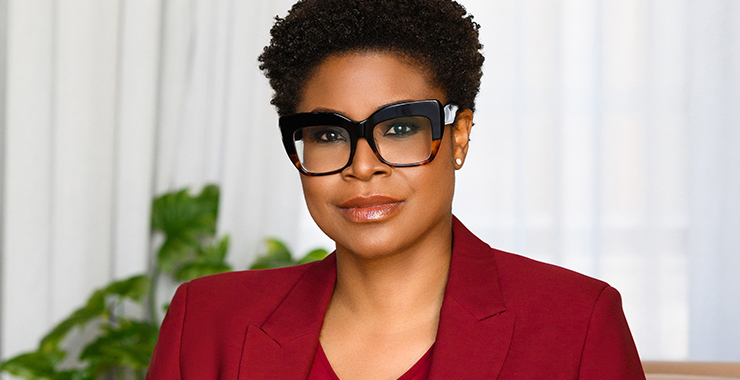
Meet APA’s 2026 president, Wendi S. Williams, PhD
Wendi S. Williams, PhD, brings a powerful blend of scholarship, leadership, and lived experience to her role as APA’s 2026 president. Driven by curiosity, empathy, and a deep commitment to social change, she found her calling in psychology through storytelling, connection, and advocacy. Her career spans academia, nonprofit leadership, and decades of service within APA, including presidencies in key divisions. As owner of WSW Consultation Services, she leverages executive leadership experiences from higher education and social enterprise contexts to champion inclusive and transformative leadership while navigating disruption, building trust, and creating sustainable change.
What career did your parents think you’d pursue?
My father thought I would be a lawyer. I’m a very intellectually curious person, always asking questions like, “Why is it like this?” or “Why did they do that?” He called me his early feminist and admitted that I made him one as well, because of the questions I asked, especially as they pertained to equity in our home and in the world. I think he appreciated the way that I would argue a point and push him to consider an issue from multiple sides he had not initially considered.
How do you approach obstacles?
At its heart, I believe anything is possible. I am a bit of an optimist, but my early life experiences as an athlete—I ran track and field—were foundational. There will always be folks who are just going to be faster than you, but I believe in myself. My target is rarely in reference to someone else; rather, my last best time is my competition. For me, it is about what I know I am capable of, more so than an external evaluation, as the world has not always reflected a belief in me back to me. I had to own that for myself, and I do. That has been really grounding for me.
What do you do to recharge and get inspired?
I love being in nature. I’m a hiker, and I love exerting myself beneath a canopy of trees. I find it quite magical, really wonderful to unplug and just disconnect. I am also a very engaged “auntie.” I love being in relationships with the young people in my life—to give back to them and learn from them what it is like to navigate the world from their standpoint. For me, both hiking and engaging young people put a lot of things in perspective.
What is something you’d like to achieve this year?
I’m really excited about my youth mental health initiative. We will partner with various education and community-based organizations to host youth-led regional summits throughout the U.S., culminating in a summit in Washington, D.C. Through psychologists partnering with educators and young people alongside their adults, we hope to learn from youth what they need from us to support their mental health and translate their guidance into policy and resources that support youth mental health in local contexts. It’s a pretty ambitious project with many moving parts, and we have good engagement from our colleagues within and beyond APA to make it a success.
What have you done that might surprise people?
As an undergrad at the University of California, Davis, I worked to put myself through school. One of my first jobs was driving for Unitrans, the university transportation system. Since I didn’t get a driver’s license in high school, my first license was a Class C [commercial] license to drive 35- and 40-foot vehicles. I am not very tall, so I had to push the seat far forward to reach the pedals. It surprised some passengers to see such a young and small person at the wheel, but it made me a pretty confident driver, especially in smaller vehicles, because I felt like I had more than enough room to maneuver.


