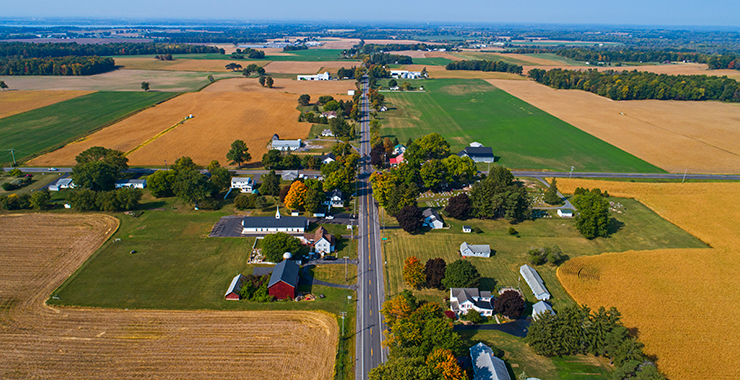
Rural communities have long faced mental health inequities, driven in part by a lack of access to resources—including licensed psychologists. Depression and suicide impact rural individuals at disproportionate rates, yet provider shortages make it difficult to seek help (Carpenter-Song, E. & Snell-Rood, C., Psychiatric Services, Vol. 68, No. 5, 2017opens in new window). Even when a psychologist or other mental health provider is present, long wait lists and stigmas about seeking professional support often stand in the way of care (Crumb, L., Mingo, T. M. & Crowe, A., Mental Health & Prevention, Vol. 13, 2019opens in new window).
The Psychology Interjurisdictional Compact (PSYPACT)opens in new window, an agreement that allows licensed psychologists to practice telehealth across state lines, can increase access to mental health care in rural communities. Yet psychologists based in urban or suburban areas looking to expand their practice into rural communities may not understand the texture of rural life, which could impair trust between provider and patient. An effective therapeutic alliance with rural patients—and ultimately, effective care—requires its own type of cultural competence.
“We historically don’t always think of it like a culture as we do other identities, but people who live rurally experience their own cultural considerations,” said Tess Kilwein, PhD, a clinical and sport psychologist and chair of APA’s Committee for Rural Health. In their own practice, Kilwein sees patients in states including North Dakota and Wyoming.
Unique socioeconomic stressors such as social isolation, poverty, lack of or underinsurance, and food insecurity drive many health inequities among people in rural settings. On the flip side, many of these communities also have strengths such as community interdependence and rich cultural traditions that can bolster resilience among residents.
Here’s more guidance for working credibly in rural communities: