skip to main content
Cover story

The new science of sleep

Researchers are learning more about the relationships between sleep and the brain and finding new ways to treat insomnia

APA Style leaf logo Cite This Article in APA Style
American Psychological Association. (2026, June 1). The new science of sleep. Monitor on Psychology, 57(4). https://www.apa.org/monitor/2026/06/sleep-brain-mental-health

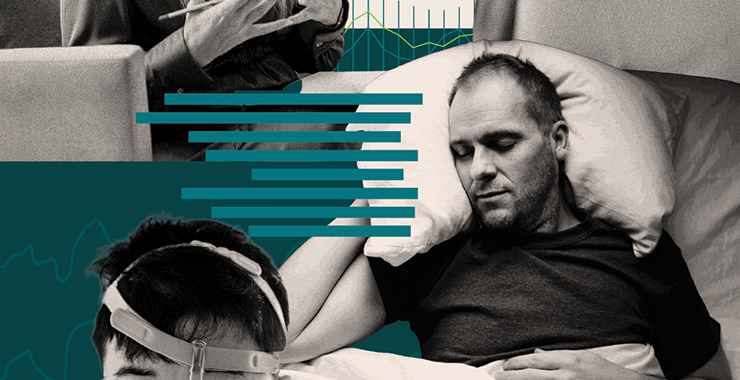
collage of people sleeping

Key points

  • The relationship between sleep and mental health problems is bidirectional—and sleep troubles may precede, or even cause, mental health symptoms.
  • Insomnia can be treated with evidence-based interventions such as cognitive behavioral therapy for insomnia and acceptance and commitment therapy for insomnia
  • Sleep disturbances are common across mental health disorders, including anxiety, depression, PTSD, bipolar disorder, schizophrenia, and others.

In a world of 24-hour gyms and entertainment that you can stream any time and place, it’s no surprise that sleep often gets shortchanged. “We’re in this culture where we like to wear sleep deprivation as a badge of honor,” said Jessica Payne, PhD, a cognitive neuroscientist at the University of Notre Dame and cofounder of The Brain-Based Leader, an organization that provides neuroscience-based leadership development programs. “But we wouldn’t spend a third of our lives asleep if it wasn’t truly essential.”

Chronic sleep deficiency increases health risks like obesity, Type 2 diabetes, and heart disease, and psychologists have long recognized that sleep problems and psychological conditions frequently co-occur. But recent research has revealed more about the links between sleep and mental health. As sleep scientists uncover clues about the ways sleep affects the brain, new interventions are helping to improve slumber in people with sleep disorders like insomnia.

Disrupted sleep is a common feature of many mental health disorders, including depression, anxiety, post-traumatic stress disorder (PTSD), schizophrenia, and bipolar disorder. “For so long, the mental health field had the attitude that sleep problems are just symptoms of mental health problems. So why spend all this time focusing on sleep when we should focus on treating their mental health problems,” said Philip Gehrman, PhD, a professor of clinical psychology at the Hospital of the University of Pennsylvania. But now, he added, there is too much evidence to ignore that the relationship between sleep and mental illness is bidirectional—and that sleep troubles often come first.

Sleep problems are sometimes a sign of mental health problems. Insomnia may signal that a recurrence of depression is about to begin, for instance. In other cases, lack of sleep may actually contribute to the development of mental illness. One meta-analysis of longitudinal studies concluded that insomnia is a significant predictor for the onset of depression, anxiety, alcohol abuse, and psychosis (Hertenstein, E., et al., Sleep Medicine Reviews, Vol. 43, 2019opens in new window). Research also shows that people with preexisting sleep difficulties are more likely than those without to develop PTSD after exposure to trauma (Carlson, G. C., et al., Sleep, Vol. 46, No. 3, 2023opens in new window; Koffel, E., et al., Journal of Anxiety Disorders, Vol. 27, No. 5, 2013opens in new window).

“There are dozens of longitudinal studies that show people with insomnia, but no evidence of any other mental health problems, are more likely to develop new-onset mental health problems,” Gehrman said. “Changes in sleep are often a harbinger of things to come.”


Teaching connections

Lessons on the science of sleep

The following prompts (organized by topic) can support educators in discussing the science of sleep and mental health in the classroom.

1. Biological bases of behavior
The article describes how sleep deprivation triggers cortisol release, systemic inflammation, and blunted reward learning in the brain. Using what you know about the nervous system and stress response, explain the physiological pathway from poor sleep to depressive symptoms. How does the bidirectional relationship between sleep and mental health challenge a purely psychological explanation of depression?
Reinforces: neuroscience of stress, hypothalamic-pituitary-adrenal axis, brain-behavior relationships, and biological bases of psychological disorders


Sleep and mental health

There are probably multiple mechanisms that bind sleep problems to mental health. For starters, sleep deficiency is a potent stressor. “There’s a reason people use sleep deprivation as a torture technique,” Payne said. “You can get into a sleep-stress spiral. Maybe you’re really stressed, so you’re not sleeping. But the less you sleep, the more stress hormones your body produces and the higher your cortisol goes.”

High levels of cortisol are linked to inflammation, which affects the body in numerous detrimental ways. Even a single night of sleep deprivation can trigger low-grade, systemic inflammation, and chronic sleep loss is known to increase the risk of inflammatory diseases such as obesity and Type 2 diabetes. Inflammation may also contribute to depression. In a randomized trial of nondepressed adults 60 years and older, participants were given a low-dose endotoxin that triggered a temporary inflammatory response. Those with insomnia experienced a threefold greater increase in depressive mood and symptoms compared with those with normal sleep patterns (Irwin, M. R., et al., JAMA Psychiatry, Vol. 82, No. 9, 2025opens in new window).

Insomnia also appears to blunt the brain’s sensitivity to reward. A study of veterans with depression, for example, found that participants with insomnia were less able than those without to learn associations between neutral stimuli and rewarding outcomes. They were also less likely to change their behaviors in response to rewarding stimuli (Liverant, G. I., et al., Psychological Medicine, Vol. 52, No. 15, 2022opens in new window). Sleepless nights also lead to increased emotional reactivity, Gehrman said. Notably, reduced reward learning and difficulty with emotional processing are both features of depression, he added.

Much of the research on sleep and mental health has focused on insomnia, but other sleep problems are also associated with poor mental health. Circadian rhythm disorders, which cause a misalignment of the body’s internal clock, affect about 3% of the adult population and are often misdiagnosed as insomnia. These disorders can contribute to serious neuropsychiatric conditions such as schizophrenia and bipolar disorder. “There’s now emerging evidence that, at least for a subset of patients with bipolar disorder, circadian rhythm deficits may actually be the primary problem. In other words, bipolar disorder may be more of a circadian rhythm disorder than a true mood disorder,” Gehrman said. Lithium, which has long been used to treat bipolar disorder, seems to work by correcting the circadian rhythm, he added.

A more prevalent problem is obstructive sleep apnea, which causes repeated pauses in breathing during sleep and affects more than 32% of adults in the United States (Sönmez, I., et al., Respiratory Medicine, Vol. 248, 2025opens in new window). Sleep apnea commonly co-occurs with depression. One study of 293 people with untreated sleep apnea found that nearly 73% had depressive symptoms. After 3 months of treatment with continuous positive airway pressure (CPAP) therapy, however, just 4% had ongoing depressive symptoms (Edwards, C., et al., Journal of Clinical Sleep Medicine, Vol. 11, No. 9, 2015opens in new window).

“That’s the hopeful side of this picture,” said Jennifer Martin, PhD, director of the Benjamin León, Jr. Family Center for Geriatric Research and Education at Florida International University and a past president of the American Academy of Sleep Medicine. “When we treat sleep disorders, we see pretty rapid improvements in mental health symptoms.”

Education: Sleep training programs

Society of Behavioral Sleep Medicine
For doctoral and postdoctoral scholars seeking a specialized pathway to master the psychological and behavioral factors affecting sleep, SBSM lists more than 20 programs. These programs offer diverse clinical environments ranging from pediatric centers like Children’s Hospital Colorado to veteran-focused training at the Veterans Affairs (VA) systems in Durham, Los Angeles, and Seattle. Through a combination of research and hands-on rotations, participants learn to treat insomnia, circadian rhythm disorders, and sleep-related breathing issues across the entire life span. 

For licensed professionals seeking professional growth and updated, practice-enhancing training across diverse areas of sleep health, SBSM offers a full selection of webinars as well as the annual Post-Graduate Course and Scientific Conference, with interactive discussions, case-based learning, and exposure to emerging clinical and research developments in behavioral sleep medicine.

For more information about accredited behavioral sleep medicine training programs, contact the SBSM national office at 859-312-8880 or visit SBSMopens in new window.

American Academy of Sleep Medicine
AASM offers a variety of continuing-education resources for clinicians, including Guidelines for the Practice of Sleep Medicine, which features review papers, clinical guidelines, and best practice papers to update non-sleep clinicians on the practice of sleep medicine. Offerings for sleep psychologists include Behavioral and Psychological Treatments for Chronic Insomnia and a Behavioral Sleep Medicine Therapies Bundle. To learn more, visit AASMopens in new window.

APA Office of Continuing Education Psychology
The APA Office of Continuing Education in Psychology offers an introductory workshop on normal human sleep, sleep disorders, and the interaction of sleep disorders with mental health. This on-demand webinar includes an overview of diagnostic features and practice guidelines for common sleep disorders. Watch the webinar, Sleep and Its Disorders: A Primer for Mental Health Professionals.

Sleep interventions

That’s not to say that treating sleep disorders is easy. “But it’s often easier than treating other aspects of a clinical condition,” Payne said. CPAP therapy is very effective for sleep apnea, and several other new treatments for the disorder, including medications and an implantable device, have recently been approved or are in clinical trials.

Insomnia, too, is more treatable than many people realize—and it’s important to treat it specifically, even in people with comorbid problems such as anxiety or PTSD or even chronic pain. When insomnia coexists with other conditions, treating those conditions doesn’t tend to improve sleep, said Shelby Harris, PhD, a clinical psychologist in New York who specializes in behavioral sleep medicine. “But we find that when someone’s sleep starts improving, their coping mechanisms, their reactivity to stress, their emotional reactivity gets better and that helps enhance their treatment for depression or anxiety,” she said.

Cognitive behavioral therapy for insomnia (CBT-I) is the gold standard, and groups such as the American Academy of Sleep Medicine and the American College of Physicians recommend CBT-I as first-line therapy (Edinger, J. D., et al., Journal of Clinical Sleep Medicine, Vol. 17, No. 2, 2021opens in new window). “There are over 100 randomized controlled trials of CBT-I, in all different patient populations, that show the vast majority of people experience dramatic symptom improvement or even remission of their insomnia,” Martin said.

Research also backs up the idea that insomnia treatment can improve mental health. One study found that in patients with depression and insomnia, CBT-I improved both sleep and depression symptoms. In fact, people who received insomnia treatment saw as much improvement in their depression symptoms as did people who received depression treatment (Blom, K., et al., Sleep, Vol. 40, No. 8., 2017opens in new window).

CBT-I is also quite accessible, typically lasting just four to eight sessions. What’s more, there’s evidence that, for appropriate patients, app-based CBT-I can be effective when therapists aren’t available. A recent meta-analysis found that fully automated digital CBT-I platforms resulted in moderate to large effect sizes on insomnia severity (Hwang, J. W., et al., npj Digital Medicine, Vol. 8, No. 1, 2025opens in new window). Still, given that insomnia is so common, and linked to such a wide range of different initial triggers, there’s room to optimize existing treatments and develop new ones.

Some sleep specialists, including Harris and Martin, are starting to explore acceptance and commitment therapy (ACT) for insomnia, which may benefit some patients who don’t respond well to CBT-I. ACT uses mindfulness and cognitive diffusion strategies to accept and let go of thoughts about sleep. “It teaches people not to look at insomnia as a problem that has to be solved, because trying too hard is actually the thing that makes people lose sleep,” Harris said. “I find that patients with a lot of sleep anxiety who are always trying to force sleep to happen tend to do better with ACT.”

In a randomized trial of 149 women veterans with insomnia, Martin and her colleagues compared CBT-I with a novel treatment that combined acceptance and commitment therapy with behavioral changes to treat insomnia (ABC-I). They found the two interventions were similarly effective, both immediately after treatment and at a follow-up 3 months later (Journal of Consulting and Clinical Psychology, Vol. 91, No. 11, 2023). Although the effectiveness of CBT-I is extensively documented, the early findings suggest that the less-tested ABC-I could be an alternative for patients who, for one reason or another, may not respond as well to CBT-I. However, the authors hasten to note that ACT alone is not likely to improve insomnia without also incorporating behavioral strategies that specifically target sleep habits, such as scheduling bedtimes and wake times. “The secret is that you have to include the behavioral components of ABC-I,” Martin said.


Brain science: Sleep and memory

People often think of sleep as a time when the brain goes offline to rest. In fact, a sleeping brain is a busy brain. “The research is increasingly clear that there is something about sleep that is special—and special in an active way—that benefits our ability to consolidate memories,” said Jessica Payne, PhD, a cognitive neuroscientist at the University of Notre Dame who studies the relationship between sleep, stress, and memory.

In deep sleep, coordinated slow-wave rhythms pulse through the cortex, the outermost layer of the brain. Farther down, in the thalamus, slightly faster bursts of activation occur, and even faster waves ripple through the hippocampus, deep in the brain. When those rhythms align during deep sleep, Payne said, conditions are optimized for processing input from the day and stabilizing it into long-term memory. That processing is more than a nighttime filing system. “It’s also about linking up that new input with what’s meaningful from your past and integrating information so that you can find patterns,” Payne explained. “It’s all of that higher-level cognition that makes us human.”

Shortchanging the processes can affect your ability to remember. A meta-analysis of studies on sleep and learning found that total sleep deprivation had a detrimental impact on remembering newly learned materials, whether that sleep deprivation occurred before or after learning (Newbury, C. R., et al., Psychological Bulletin, Vol. 147, No. 11, 2021). The findings suggest that sleep may prepare the brain for learning the following day and also strengthen new memories learned the previous day.

There’s another, darker side to the sleep-memory connection. Dementia often impairs sleep-wake cycles, and there is increasing evidence that sleep deficits may increase dementia risk. Scientists are still investigating that link, but recent research points to one possible cause. A system known as the glymphatic system has been shown to remove metabolic waste from the brain—and that system is most active during sleep. Glymphatic clearance has been proposed as the mechanism that gives sleep its restorative function (Hauglund, N. L., & Nedergaard, M., Brain, online first publication, 2025opens in new window). It may also contribute to Alzheimer’s disease, if chronic sleep deficits cause metabolic waste such as amyloid plaques and tau tangles to build up in the brain (Nedergaard, M., & Goldman, S. A., Science, Vol. 370, No. 6512, 2020opens in new window).

There’s still a lot left to sort out about the way sleep influences memory and whether it influences the risk of dementia. In the meantime, there’s more than enough evidence to conclude that skimping on sleep is bad for the body and the brain. “Sleep is essential, and I’ll bang that drum for the rest of my life,” Payne said.

Help to sleep

As awareness of the importance of sleep has grown, more people are seeking help for sleep difficulties. Yet Harris said this trend has created new challenges without fully solving existing ones. She’s noticed an uptick in younger patients—often influenced by social media and modern wellness culture—who come to her hoping to optimize their sleep habits. But often, she said, their focus on perfect slumber confuses optimal sleep with actual sleep disorders and leads to increased anxiety about sleep. At the same time, she said, there’s still a gap where many people with true sleep disorders like insomnia or sleep apnea are falling through the cracks without treatment. And many others are burning the candle at both ends, regularly getting too little sleep because they haven’t made it a priority.

While sleep apnea is not strictly a psychological disorder, it’s also important for clinicians to be aware of the basics of the disorder, Harris said. After menopause, apnea rates in women approach those seen in men. But women often have more subtle signs; they may not snore or obviously gasp for breath, for instance. And apnea and insomnia often go hand in hand. “In women, these things are often misdiagnosed as depression or anxiety, when actually they’re just not getting screened for apnea,” Harris said. Clinicians can also help people adhere to sleep apnea treatments like CPAP, which can be challenging to adjust to.

Unfortunately, most licensed psychologists receive scant training in sleep problems. According to Martin, 10% of men and 20% of women have insomnia, “and a third of the population gets less than the recommended 7 hours of sleep at night. But we are not doing a great job at educating graduating psychologists to treat these really common problems,” Martin said. It’s never too late to seek out such training, however.

“I think it’s imperative that clinicians learn the basics so they know what they can handle and what they should refer to a sleep clinic,” Gehrman added. “If you’re a psychologist, you are a sleep clinician whether you like it or not.” 

Recommended Reading

Speaking of Psychology

Subscribe to APA’s audio podcast series highlighting some of the most important and relevant psychological research being conducted today.

Subscribe to Speaking of Psychology and download via:

Appleopens in new window
Apple podcast logo

Spotifyopens in new window
Spotify logo

Related and recent