“Therapy animals” is a catch-all term describing animals that are integrated into one-on-one or group therapy with a trained mental health professional or animals that interact with humans at places such as residential treatment facilities, schools, or airports. Phrases like “dog therapy” or “horse therapy” are misleading because the animal is not the therapist, said Nina Ekholm Fry, director of equine programs at the University of Denver’s Institute for Human-Animal Connection. The definition of the service is “always based on the credential of the person,” she said (see sidebar below).
Thus, many mental health professionals prefer a description that focuses first on the intervention, such as “psychotherapy with animal interaction” when talking about bringing animals into practice, or “visiting animals” to describe support animals that aren’t involved in a specific intervention. For trained psychologists, this framing highlights the idea that animals are a way to enhance other evidence-based treatments rather than treatments unto themselves.
One common place for a therapy animal is within one-on-one therapy. The psychologist or other mental health professional has control over the space and can customize it to accommodate both animal and patient. Well-trained animals bring a perceived nonjudgmental, friendly presence to the room, making individual therapy more emotionally comfortable for patients and help establish trust, said Katherine Compitus, DSW, LCSW-R, a social worker and certified animal-assisted intervention specialist at New York University.
“It’s like fast-forwarding the therapeutic alliance,” said Compitus, whose pit bull, Chompy, is a regular presence in her office.
However, it’s important to prepare for integrating the animal, said Compitus. The therapist should seek training from a reputable organization such as the Association of Animal-Assisted Intervention Professionalsopens in new window or the Institute for Human-Animal Connection at the University of Denveropens in new window. It’s important to pursue training geared toward professionals rather than volunteers, as volunteer certifications cover limited activities and typically only include liability for animals working for a few hours at a time.
When deciding whether animal interactions in therapy are appropriate, psychologists should ensure that their animal is calm and friendly, is able to ignore distractions, and otherwise behaves safely in a clinical environment, Force said. Therapists should check to see if the patient has any allergies, animal phobias, or whether they or anyone in their family has been bitten or attacked by an animal in the past. Patients should have the opportunity to consent to an animal being present before the animal is there. It’s also important to keep in mind potential cultural influences regarding relationships with animals, said Melissa Trevathan-Minnis, PhD, a counseling psychologist at National University in San Diego and animal rescue worker whose rescue pup and trained therapy dog, Athena, often sits with her in sessions in her private practice in Austin, Texas. For example, some interpretations of Islam view dogs as being unclean.
If the patient gives their consent, the therapy animal’s presence should be intentionally incorporated into treatment, Compitus said. For some practitioners, the animal’s presence simply acts as an icebreaker, giving patients something to focus on during difficult conversations. Other providers will establish particular tasks and activities, such as teaching the animal a new trick in order to help the patient develop self-efficacy. Petting a dog, cat, or guinea pig can be part of a grounding exercise in body awareness.
“There is such a physiological connection to petting a dog,” Trevathan-Minnis said. “Having that touch, that tactile sensation, the rhythm.”
Animals should be carefully selected and trained to be willing to interact, as patients might experience a disinterested animal as a rejection. If the animal needs a break or refuses to participate in a particular exercise, however, it’s important not to force anything, Trevathan-Minnis added. This flexibility is both basic ethics for animal welfare and important for building trust with the patient, who is watching how the psychologist treats their pet partner.
“We’re not modeling good consent and good consideration of the comfort of everyone involved if we don’t prioritize the animal,” Trevathan-Minnis said. Forcing an unwilling animal to participate could send a message to the patient that their boundaries won’t be respected, either.
Once such considerations are met, animals can bring important extras to the therapy interaction. Compitus once worked with a teenage boy with an extensive trauma history who had a hard time articulating his story to her. “But he told Chompy,” Compitus said. “And I just happened to be in the room when he did that.” The dog acted as a buffer to the initial conversation, making it easier for the boy to continue opening up to Compitus herself.
Animals can also work magic with elite athletes, who are often under pressure to balance the challenges of competition with other life responsibilities, Force added. Animal interaction “activates our parasympathetic nervous system so emotions are regulated better and anxiety goes down,” Force said. “And when that happens, there’s an openness in the therapeutic process.”
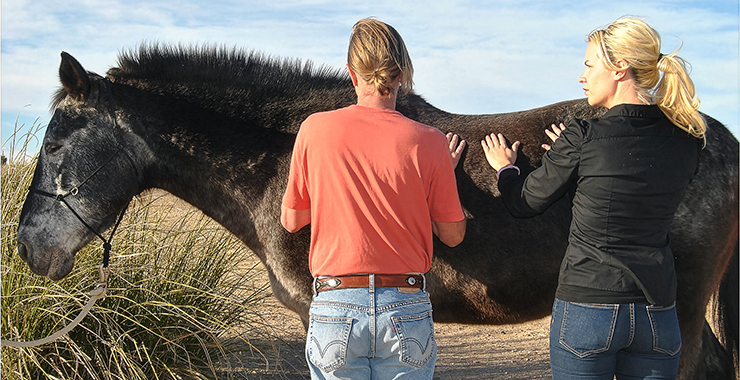
Animals also have the potential to expand the settings for psychotherapy, said Ekholm Fry. Integrating equine interactions, for example, can mean getting the patient outside into a natural environment. “All of a sudden you have all this potential for more people to be or become comfortable in therapy,” she said.