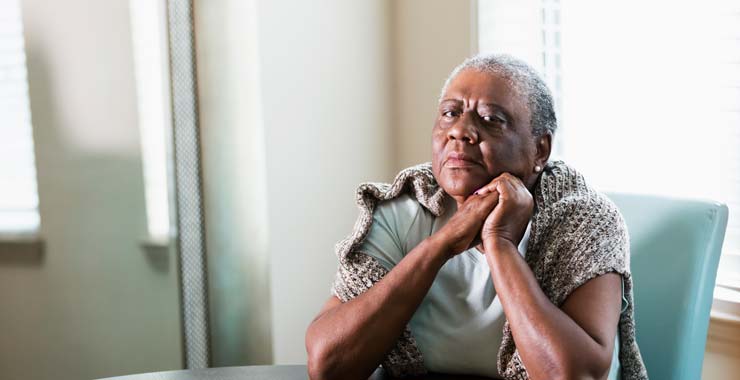
Adults 65 and older are more likely than other groups to die or develop a severe illness if they contract the coronavirus, according to the U.S. Centers for Disease Control and Preventionopens in new window (CDC), making it especially important for them to stay at home and avoid close contact with others. But most people over 65 are active, living in the community, and in good physical and psychological health — which is why they often don’t consider themselves “vulnerable” and may be reluctant to self-isolate.
“These are folks that don’t think of themselves as being ‘old,’” says Nancy Molitor, PhD, a clinical psychologist based in Chicago who primarily treats adults over 60. “And now suddenly, they’re in a position where they have to confront their own mortality.”
Molitor says many of her patients rely on meet-up groups — such as book clubs or walking partners — to avoid spending too much time alone. Even before the COVID-19 crisis, 43% of those over age 60 reported suffering from subjective feelings of isolation — and research shows that those feelings can lead to both mental and physical health problems (The Health and Medical Dimensions of Social Isolation and Loneliness in Older Adultsopens in new window, The National Academies Press, 2020).
“Older adults are more likely to be socially isolated to begin with, so self-isolation orders can exacerbate the challenges for this population that’s already at risk,” says Deborah DiGilio, director of APA’s office on aging.
DiGilio also emphasizes that adults over 65 are a diverse and heterogeneous group. Age, health status and a number of other factors can shape a person’s needs, risks and ability to engage with various coping strategies during the crisis.
Fortunately, psychological literature gives us a general idea of what risks this group will face and how they can cope — as well as how friends, family and community members can help provide essential support.