Kaitlin Luna: Welcome to Speaking of Psychology, a bi-weekly podcast from the American Psychological Association. I'm your host Kaitlin Luna. Buying has never been more convenient in America today. If you're in a major metro area you can have just about anything you want delivered right to your door within minutes or hours; clothes, groceries, fast food, medicine you don't even need to leave the house. Yet at the same time some Americans are moving toward a different path, decluttering their homes and lives and adhering to lifestyles like minimalism and financial independence retire early, also known as FIRE. Why do some people buy so much while others shun that lifestyle for simplicity or to save? How do brands reach into our psyches to get us to pull out our wallets and credit cards? What are some of the motivations behind companies that try to appeal to our sense of social responsibility to get us to spend?
Our guest for this episode is psychologist Dr. Kit Yarrow, an expert on consumer behavior and professor emeritus at Golden Gate University in San Francisco. She studies why and how people shop and buy, and how companies can best meet consumer needs. She's the author of “Decoding the New Consumer Mind,” about the motivations and behaviors of shoppers today and “Gen Buy,” about the consumption habits of millennials. Dr. Yarrow is regularly interviewed on national media including Good Morning America, NPR and USA Today. Welcome Dr. Yarrow it's a pleasure to have you.
Kit Yarrow: Thank you, I'm excited to be here.
Kaitlin Luna: Today as consumers as I said can get almost anything they want whenever they want. What is motivating consumer spending today?
Kit Yarrow: Well you know in some ways it's the same as it's always been. That people need things, obviously, and shopping helps people prep for life transitions, like thinking about having a baby or moving and so on. And we just simply crave newness, so those are fairly constant. But I think what's different today is the triggers.
So never before, and I've been studying this for more than 20 years, have I seen people so attracted to bargains. So I think this fear of missing out, which we call FOMO in my field, is really motivating to shoppers, and it's detrimental I think to their financial health. That people get more excited about the bargain than they do about what it is they're actually buying. The same kind of trigger of FOMO applies when you're on vacation and so that's like I have to get this here and now otherwise I won't be able to get it later, or a limited time offer limited quantity available. So these are the triggers I think that are a little bit different today than in the past.
In terms of some of the products that people are buying today that are relatively new, what I'm finding is that anxiety reducing products are so big today. So this is one of the big shifts as well that CBD, sleep aids, blue ray glasses, a lot of these things to me just point out that we're an increasingly anxious society and people are gravitating towards whatever they think is going to help them fix their anxiety, heavy blankets and so forth. And the other thing people are looking for that's a little bit different than in the past is products that help our brands, that help them feel connected to other people. So we've seen this big uprising in wanting to do business with companies that meet and that match your values, we call it purpose marketing, and a lot of this is you know really related to I think a sense of kind of loneliness that people have that they want to feel connected to other people and they want to have experiences instead of just things.
Kaitlin Luna: Yeah just as you mentioned many brands are going beyond that traditional advertising to take on social causes, and a few notable examples that come to mind are Dove with its campaigns about challenging beauty stereotypes. We have the Gillette campaign that challenged toxic masculinity that was from earlier this year, and Burger King recently came out with its real meals campaign that encourages people to feel their emotions and know that it's okay not to be okay. Do you think those campaigns resonate with consumers and translate into sales more than ever before?
Kit Yarrow: It depends on how well they're done. So for example the Gillette campaign that you mentioned you know the purpose of that campaign was to let people know that you know men can do better and really people bristled at that one. They felt like Gillette you know a big company is telling me how to be a parent, I don't think so. Whereas others like Dove and REI has had some campaigns that have resonated, Nikes had campaigns that have resonated.
You know it depends on how authentic they feel to the consumer, sometimes they're not actually all that content authentic. Like Nike's championing of women at the same time that this very company you know has class discrimination suits against them by women. You know the irony of that, it's just that they, their campaign feels so authentic to consumers, it feels so genuine that it works. Because I think consumers today, they you know they don't trust business in general so what they were looking for is a peek inside the values of the company and if a company is really good at either genuinely communicating values, which I think is the case with Dove and REI, or they're really good marketers like Nike and it may not be genuine but it looks that way to consumers, this feels good to them. People don't want to just buy products they want to buy connection to the company in a sense that they're getting more than a product, that brands have to kind of go beyond profit as a reason for existing today.
Kaitlin Luna: It does seem like people want to, general consumers, want to align themselves more with brands. I've heard people say that, like they want to use a certain product maybe because it's environmentally friendly or it's healthier or non-GMO or something like that. It seems like that is something you do hear more often, I can't that's more so than in the past but it does seem like brands want to get more into the values each person holds today.
Kit Yarrow: That's yeah it's definitely true I mean without a doubt. I think partly because we have so many products, competition is huge, and because I think people aren't connected through some of the old traditional ways that they connected, through either religion or their community knowing people around them. You know there's a sense of I think people wanting to belong to things and wanting to connect to higher values beyond you know just what exists in their life. And so brands can play this role and brands make people feel like they're getting more than just products. And so without a doubt, if you can buy you know tomatoes from four different places and you know one of them is locally grown you feel like you're supporting a you know an actual individual, and they aren't using chemicals and they're contributing to schools and so forth you're gonna buy those tomatoes instead of what you know you perceive to be mass-produced tomatoes.
So, you know a lot of times consumers are really making great decisions that help their communities, help their planet help you know everything better. And then sometimes I have to say you know they're being manipulated. That you know that GMOs you know some of the products that tout these all-natural characteristics are really not any better for the environment not any better for the individual. They're just using that as their showcase. It's just so much information for consumers, and frankly nobody has time to evaluate all of it. And so on the one hand I think we have this opportunity to, you know the old saying is vote with your wallet, to you know to tout your valid values through what you buy and on the other hand it's a whole new opportunity to be manipulated by marketers.
Kaitlin Luna: I want to touch on some of those marketing techniques that work in a bit here, but I do want to mention something, go on something you talked about and your first answer about buying experiences. So people are more as you said invested in buying an experience like going on a trip or a concert something like that, so are more people moving to that trend?
Kit Yarrow: Yeah, definitely. So, you know we always are attracted to scarcity, and what's scarce today you know is emotion, and experience and a sense of purpose. And you know what's abundant today are mass-produced products. So what people used to want, you know to showcase who they are to other people, to you know connect to something more, bigger, better was oftentimes a product or like a luxury product or a better product or more products. And now that that's no longer scarce, now that that's like so overwhelming I mean we're just bloated with products, I think what people are looking for is the emotional intensity that they get from an experience.
And then, some of the benefits that people got from products, the emotional benefit of showing other people who you are through what you have, which has been throughout time I mean this is not new. Or you know showing that you're in a special class of people through a product, you know that sort of became gauche and tacky after the recession. But people can still do that by showing off what they buy through their social media accounts, through the experiences they buy I mean. So you can't exactly put your new shoes on social media and say look at me I'm so cool, but you can put your trip to Thailand on there and it kind of accomplishes the same thing but it doesn't feel quite as tacky.
Kaitlin Luna: Yeah and how does social media influence buying?
Kit Yarrow: Well I think a lot of people make you know make some buying decisions because of social media that are not always in their best interest. So for example I found that when people constantly come in contact with products because it's in their social media feed, they develop this sense of familiarity with those products that makes them feel like they can have them. And it stops them from going through the rational decision-making process of wondering, do I really want it, can I afford it, does it fit into my lifestyle, am I going to use it, it just sort of becomes part of their life in a kind of like creepy sideways kind of way. You know in it and by the same token what also happens is I think when you see your friends have particular products or have remodeled and they have these new kitchen things or you know whatever these products are or fancy vacations, it seems like it's a new kind of peer pressure I think.
Another way I think social media affects us negatively in terms of purchasing is that you know we only have so much resilience. So when we're constantly stalked by something, maybe we looked at you know maybe we went to a website and we saw a product and we thought about it decided not to, well the next thing you know, wherever you go online the product follows you around, you know it just pops up on your feed, or it pops up as an ad on a you know magazine site that you're reading. And so people will say no only so many times, then they're more likely to cave in. So all of these things I think contribute to people making purchases that maybe they wouldn't have made were it not for our online lives, and very specifically also social media.
Kaitlin Luna: Is that one of the reasons why people buy things they don't need? I mean I'm sure many people out there have bought something, it's now still sitting in the closet with the tags on collecting dust, it probably should be donated, is that why people, why this happens?
Kit Yarrow: Yes it's one of the reasons. This is actually something I found in my research was that in all the homes I go to; so what I usually do is an ethnography which means that I go in people's houses and I look in their closets and under their beds and the backs of their freezers and you know depending on the product I'm researching or the category I'm researching. But all of a sudden I noticed like wow, it's not just me or this woman or that guy, it's freaking everybody that has clothes they haven't worn in their closets or products they haven't used in the back of their sinks under in the back of their bathroom sinks. And I thought you know why is that?
So I kind of made that like an added part of my research a personal interest, and I found that a lot of it has to do with what I call faulty thinking. That somebody will fall in love with an item, like clothing is the easiest I think to look at. So they fall in love with an item and they you know really want to have it but it's too expensive and then it goes on sale, but it didn't go on sale in their size so they buy it anyway thinking maybe it will, or it's not quite their right color. You know, so it's the product they wanted but it's like maybe yellow and yellow is not their color so they buy it anyway. So it has like one thing wrong with it, but everything else is right with it and they kind of you know rationalize going ahead and buying it.
Another thing that happens is that people sort of have this fantasy life that they're imagining. So you know a lot of people buy clothes that are too small for them thinking that they're gonna get thinner. And then you know what happens is they get thinner and they don't actually like what their skinny self picked out, they want to you know that skinny self wants to pick out their own things, you know or it didn't fit or they never do get slim or you know they imagine like they're gonna be going on cruises or things that don't happen. So they have clothing to match a life that they don't actually have now and then it doesn't happen.
And another reason that I've found that people buy things they don't actually end up wearing is because, and this is gonna sound really silly, but I heard this over and over again. They love it so much, they're afraid something will happen to it so they're like saving it, they save and save and save and it just sits there and they're waiting for just the right occasion. And there's some reason why any occasion isn't good enough, they could spill, the right people aren't gonna see them in it and on and on and on and they don't actually wear these things because they love them too much.
Last reason, incredibly common especially now that we're shopping online, drunk shopping or high shopping. So I have some of my favorite consumer stories are people that bought like very outrageous things and then they go, see this is what happens when you shop when you're high. And so my advice in all of these is don't buy anything you can't return. You know that'll solve a lot of problems.
Kaitlin Luna: Yeah it's better to stay away from the phone, the Amazon one click away if you've been under the influence or maybe a little sleep deprived or whatever that might be. So what are some of those basic human impulses and insecurities that companies try to appeal to to get us to buy. I know we've talked about anxiety, but what others do you think marketers look at and say, okay let's try to sell our product by appealing to people in this way or that way?
Kit Yarrow: You know I think, I think the bargain thing is really what companies rely on. It's their, and it's their Achilles heel too because their margins are decreased when they try to sell everything on sale anyway, but it works with consumers and that's why they do it. So a lot of, a lot of stores actually stock their shelves with merchandise that they never really anticipate they'll sell for full price, knowing that consumers will buy it when it's reduced. So you know it makes sense to me that consumers wait for bargains or they're inspired by bargains, I think we don't trust that we understand the value of a product inherently and so we rely on price to tell us if we're getting a good deal or if we're getting ripped off or you know. And we also I think intuitively kind of understand that when it's on sale it probably won't last as long so it motivates us to take action immediately.
But in the end what I find is that people really spend way too much time kind of thinking about that price and they aren't thinking about the product. In an ideal world what I'd love to see is consumers just look at the product, not even look at the price, decide if they like it or not and then look at the price. You know and I think people would end up with more products that they enjoy that are actually really satisfying to them so that they ultimately spend less money and buy fewer products. A lot of the products that people buy you know they don't like they don't end up using they're not satisfying they don't get a thrill from and so they end up buying more, and we can solve that problem I think if people are really much more careful about examining the product and thinking hard about what they want to add to their life.
The other kind of tricks I think that we see marketers using today that maybe were less popular ten years ago is this concept of something being reinvented. So our use of technology I think has made us really love innovation and newness, and so when we think that something's been reinvented we get all excited about it and you know we want to learn more about it. So you know especially online and especially in social media we learn about reinvented shoes and reinvented jewelry and cars and bras and you name it, and frankly a lot of these products are not reinvented, the distribution system is reinvented or maybe one aspect of it is reinvented or there's more transparency but it's not necessarily a product benefit. So consumers get very excited about this idea that they're supporting maybe a small new company but it may not be the best product for them, it may not be the right choice for them, it certainly a lot of times it's not the best price, but they fall for it. And again partly because of the social media stuff, you know that it haunts, it stalks them and so on but partly because I think we really fall for the whole concept of it being reinvented.
And then maybe one other is how we pay for things. So the more detached we are from actual money that we're earning that we're giving up to pay for something, the easier it is for us to overspend and even potentially go into debt. So if everybody really thought about how many hours they had to work in order to get this particular product or what they're giving up, you know if I get this oh that's one tenth of a vacation I was thinking of or oh geez I had to work eight hours in order to get that much money to pay for that, so I think if we were much more aware of the exchanges we're making for things that we buy, we would buy better things and probably fewer things. So you know how do you do that?
Well I think every time we use easy payment, you know the credit card is already loaded in the computer so we just have to press a button, this gives us fewer seconds to actually make those, have those thoughts of oh geez you know if I get that I won't be able to get this, or oh man that's a big chunk of change you know and I only have this much. You know and that's what we really want to do is think about the impact of that purchase on our financial health and security and you know and other things that we might want to buy and need.
Kaitlin Luna: Do you think that means people are spending more because of online shopping?
Kit Yarrow: Well we are seeing credit card debt go back up again, I mean that's partly because banks are loosening up their requirements. We saw it dip really nicely after the recession, and for a while there economists were kind of thinking oh look at us we're all being so well behaved. But it might have been that we couldn't get any credit. But in general, we are seeing debt levels rise again which probably indicates that people are spending money more easily and we definitely are seeing people shop for products more easily online. But there's kind of like two different kinds of ways that people shop, I don't think I don't think brick-and-mortar, I hate that term, you know some physical retail, I don't think that's going away. I think there's, you know there's pitfalls to both and people do enjoy shopping in both arenas for different reasons.
Kaitlin Luna: Are you more likely to impulse buy in person or online?
Kit Yarrow: I think you impulse buy pretty equally in both. Online, the thing that gets people to impulse buy is other, you know it's just so well done when, websites, you pick out your product it goes in your basket and then up comes other shoppers also looked at this and you get new ideas. Or you know if you buy this one too then you can get free shipping, you know we are shipping threshold is X amount, and oh my gosh people spend a lot of money to get free shipping. Or about free offers so you know if you spend $100 on cosmetics then you get this bag of cosmetics for free, and then you know a lot of times people will buy things they don't and most of the time those are kind of impulse purchases and so are the add-on purchases.
Just like in stores what I found is that if people haven't made a commitment to buy anything, they're much better at analyzing the products they're considering buying. Once they make a commitment to buy something they're just wide open to making mistakes, so that's why you know the classic example is the candy at the register at the grocery store. But you know in, all stores have thought about what people will see in the checkout line in stores and know that they are selling a lot of merchandise. As people have made a commitment to buy, they know they're going to get out their wallet their credit card whatever, and now they're open to buying more, and the same thing happens online that once may people make a commitment to buy they're open to buying more. So in general I would say you know good shopping would be for consumers again to kind of pull back and reevaluate every single product they're considering buying, and to be wary of the add-on buy. That's the most dangerous impulse buy, is the add-on buy.
Kaitlin Luna: How do we resist that? Because that always happens when you're at the line you know say of like a Bed Bath and Beyond, and as you're sneaking through the line there's all these little things you don't need but, oh maybe I do need that, or there's candy or you said you know there's you're served ads again if you've searched for something online any website you go to you see it again. How do you, how do you resist that and not fall for it, I mean of course we know okay I shouldn't be spending the money on that, I don't need this extra thing but yeah it's hard.
Kit Yarrow: This is a really good time to check your email on your phone or pick up your novel where you left off on your phone. So you know versus all the negatives in terms of consumption that technology has brought to us maybe one of the positives is a little bit of a distraction. But with absolutely everything, you know the best thing people can do is make a list of what it is that they want to add to their life and understand why and not deviate from that list. So, that means that you're you know you're not going to even consider things that are in that checkout line because they're not something that you determined beforehand were going to be part of your purchasing that day. It sounds really harsh, like oh you can't have fun of just adding in like some lipstick or something I mean why not. And you know generally speaking because I think you're gonna enjoy that product more if it's something you set out to buy and considered than if you just throw it in later these are so often and this is really proven in my research. Well you know when I talk to people about what they get pleasure from and you know where their dollars were most well spent, never does it come up that it was the thing they threw in at the end, it doesn't. So these are not satisfying and gratifying purchases and so I say you know to have in your mind what it is that you are setting out to buy and stick to it.
Kaitlin Luna: That's a great idea. Is this why we hear people say like you know I went to Target to buy two things and I spent $100. That happens to me all the time at Costco, I look at my bill like oh my gosh. Yeah I mean it's usually things I do need but it's sort of shocking sometimes, you walk in there like oh I'm just gonna get some groceries and I walk away with like a shower caddy, some new towels.
Kit Yarrow: Yeah, I think pretty much all of us have been in that boat before. You know some of it, it's funny you mentioned Target and Costco because some retailers have so earned our trust that they actually are places where we do allow ourselves to be more open. Probably more than any other place is Costco, but Target I hear also from consumers that we kind of allow ourselves to be a little bit, you know curious about what they have to offer, we're sampling products you know we're introduced to new things, we get new ideas. The stores cover our entire lifestyle from you know our lives for everything from what we wear to what we eat and so you know there's a lot of possibilities. So honestly I don't get as many complaints from consumers about bad purchase decisions made in those particular stores as I do when they're in a department store for example or on Amazon or you know another different type of retailer.
But nevertheless people do make, people do make mistakes and the ones that I hear about the most are that they buy too much. So they're at Costco and they say well you know that's only $5 for you know twice as much as we would spend to get you know at a regular grocery store, what a deal and so they buy much more a much higher quantity of a product than they will actually use. You know or worst case scenario they buy a lot more of a product that's not good for them like cookies and then they do use it so there's something about like, what I'd like to see, I always like to see people using math so but they're kind of calculating that they're getting three times as much for only twice as much in dollars and they fall for that, again it's the bargain thing that gets people every time. You know and the and the danger there is that they don't use it or that they use it and they probably shouldn't.
But I think also sampling creates a sense of obligation, so when somebody gives you something you feel like you should really consider it. Whereas maybe, you know gummy vitamins were sort of not on your list, but because you got one you tasted it tasted good and you could you know what's wrong with vitamins you end up buying it. So you get new ideas and then you get this sense of obligation and then the price point is usually good, so you know again I think just people have to try to stick to their lists as much as possible. There are a few places I think where people don't get into quite as much trouble deviating from their list and maybe those are a couple of them.
Kaitlin Luna: Is that one of those techniques we were just talking about that a physical store might use, you said samples you know it does make you feel like, oh hey maybe I should buy that because this nice person gave me this.
Kit Yarrow: Yeah samples definitely work oh my goodness. And you know even sampling like any sort of sense of obligation, so you might have noticed that in a lot of department stores now people ask you if you'd like some water when you're shopping. And that makes you feel, just that one water, makes you feel much more open and receptive to buying, and I think for a lot of consumers customer service is so bad and they feel so mistreated when they go shopping that if they're just treated nicely they want to buy something just to kind of like vote in favor of that store. So you know our social norms of you know reciprocity, you know I mean in some ways it's a wonderful thing and in other ways that you know it can cost you money and to just be aware of it that you know that that water comes with a little bit of a price tag attached to it, even if it's free.
Kaitlin Luna: And on the flip side of that, I'm assuming because this happens that it does work, when ads are served to you again and again and you see this product again. Is that proven to work to get people to then make a purchase?
Kit Yarrow: Well, so there's kind of like a rule in advertising that people don't hear or see an ad the first time, it takes like a few times like at least three times before people generally like get the gist of what you're selling. But if you see it over and over and over again, probably they didn't have enough advertisers. Because well yeah what we found, over and over and over again on TV I'm talking about, because generally what happened there is that they didn't get enough variety of advertisers and you know they're just bonusing those spots to their advertiser that they do have, and consumers actually find that incredibly annoying and it backfires.
Kaitlin Luna: It is very annoying when you see the same thing again, like I've watched this commercial forever. Are we more influenced by people we don't know like celebrities or you know strangers who will review something on Amazon or people who do product reviews on YouTube. Are those people more influential to us than say a family member or a friend in terms of buying?
Kit Yarrow: No, for sure the family members and friends are number one, they have been for all time, they probably will be for all time. So as somebody that you actually know and trust is number one. But number two are people you perceive to be like you. So that's why reviews on websites where they break down age for example or you know skin tone if you're looking at cosmetics or where people live, you know you see that you can filter out the reviewer according to other criteria, this makes those reviews much more credible. So we're looking, so first of all to answer your question family and friends come first and then people we perceive to be like us, everybody else has fallen off.
So when people do trust barometers what we found is trust in government, trust in businesses, trust in even NGOs, nonprofit organizations really trust across the board has diminished for consumers. Consumers feel really burdened by having to figure out everything themselves because they don't trust these social establishments that are there supposedly to serve them, and they're looking for trustworthy sources of information. Because really who can possibly do all the research right? So enter now the Instagramer, the youtuber, the blogger that appears to be like them and appears to have like great deep knowledge of a particular subject matter, whether it's home improvement or makeup or something like that and those people become in a way kind of like a friend or family member. You know, you can develop a level of intimacy or a feeling of intimacy with them that allows their recommendations to carry almost as much weight as somebody that you actually know.
So I think what we're finding though in the review world is that you know this is so new I mean when you think about it it's really a new field. And now the system is being gamed so much, so many of the reviews on Amazon are not authentic and on other websites, and so consumers are learning that they can't always trust the reviews anymore and they're discovering ways of trying to figure out who's authentic and who's not, like verified purchasers and so forth.
Kaitlin Luna: And what are some of the shopping and money mistakes you see people often make, I think we've touched on a few but can you elaborate on that a little more?
Kit Yarrow: Well first and foremost it's being overly focused on bargains, so not paying enough attention to the product and whether that's the right one for you and really getting way too excited about how much your so-called saving by buying something. The second one I think is getting you know obsessed with whether or not you're getting a return on your time investment. So this is especially true I think when people shop in outlet malls, they'll drive some length of time and they feel like because they spent so much time getting somewhere well they're just gonna have to get something. And the same is true I think when people are shopping online, if they spend a significant amount of time at a, looking for something they sort of feel like they have to get something back for that time investment.
Not having enough pain of payment, I like to call it. So you know I think it's, I think when people can really easily purchase things this allows them to buy more than they probably should. And maybe the best example there is when people take Uber and Lyft. I found that a lot of shoppers, a lot of the consumers I've spoken with sort of look at it like a free ride you know and then the credit card bills it comes and they've spent way more than they thought they would on transportation, because there's you know they just get out of the car and they don't have any sort of pain of payment. You know in general what we want is people to really carefully analyze all the money that leaves their possession and think about whether or not they're giving up something important by making that purchase, or how hard it was to earn money to make that purchase and that doesn't happen as easily when people are being able to just press a button or get out of a car and make a purchase.
I think buying more than you need is another mistake that people make. So this could be buying, you know a too big of a quantity at Costco or it could be you know getting that extra color of something when you know if you if it looked good on you in black then you get it in yellow too and you never wear the yellow one. And then, you know I find that one of the mistakes that people make very often is they just spend too much money on their kids. You know I think it's a substitute for spending time with them and there's really nothing that you can buy a kid that's better than a happy you, being debt-free, and having time to spend with them.
Kaitlin Luna: I want to turn now to what I mentioned at the top of the show about people who are on the other side of the coin. So let's say, let's start with people who want to declutter their lives which is really the antithesis of the consumer economy, they want to get rid of things. Why do you think people want to pare down items they own?
Kit Yarrow: Well I think we're just bloated. I mean you know we've had this huge influx of incredibly cheap merchandise coming in a lot from China, a lot, you know the cost of products today has gone way down and there's great abundance of cheap merchandise, mass-produced merchandise available and consumers have you know stuffed their closets, stuffed their shelves and it doesn't feel good, we don't feel good. Managing products makes us feel uncomfortable, makes us feel burdened. And so I think this movement towards decluttering and really thinking about the Marie Kondo effect, you know really thinking about the products that give you pleasure and whether or not you want them in your lives. In concept this is terrific, will make people feel so much better to be very conscious about what they would like to have in their life and get rid of the things that they don't want in their life, you know donate them and so forth.
So all this is wonderful, I think it's a terrific movement I think it absolutely makes sense from the perspective of how bloated most consumers feel and how over purchased most people are, in all income levels by the way I'm not just talking about wealthy people here. The only problem I have is that what I see is that people declutter and then they buy more stuff. So I, so for some consumers, not all I mean some people declutter and then they're really pleased with their you know more carefree life, I mean it just feels clean and healthy and it's easier it takes less time to manage your life when you have fewer things in it. But then I would say there's a good healthy proportion of people that then sort of fill up those shelves again almost intuitive, almost instinctively and that's where the problem arises.
Kaitlin Luna: So I would say in terms of people who want to declutter their lives on a more extreme end, there's people who consider themselves minimalists. So they only own things they need, so you hear about people who have only ten items of clothing, they live in very Spartan living conditions. What do you, why do you think this appeals to people?
Kit Yarrow: You know I think in general, what we're seeing through the declutter movement through the minimalist through the FIRE movement I think in all of these situations what we're seeing is a reaction to an unhealthy aspect of our, of our culture. That people there's a backlash to overconsumption, people feel like it's bad for our environment, it's bad for our psyches that it takes up too much of our time. And so in a variety of different ways people are looking for solutions to that, like how can they more consciously live a life where consumption is based on need and not knee-jerk or wants.
Kaitlin Luna: And then what about people who are a part of that FIRE movement I said, so that's defined as financial independence retire early. So those people are not spending as much because maybe they're opting to buy used clothing, maybe riding a bike instead of taking a car and saving most the money they earn. Is that a popular movement? Is it pervasive enough to be called a movement, and do you think, what are some positives and negatives to it?
Kit Yarrow: Yeah, I think it is pervasive enough to be called a movement, and it is really the extreme of the decluttering and the minimalist movement. But in this case they're also hoping to not have to work. So they have not found satisfaction through employment and they want to be financially independent and so you know part of their decision to decrease their spending and look for alternative ways to get their needs met is you know perhaps to declutter, perhaps you know to improve the environment. But also because they don't want to have to work.
So on the one hand, you know there are like all these really creative ways to get what you need, I mean goodwill and secondhand stores are just bulging and you know you really can, you really can get a lot of what you need without new manufacturing taking place. And you know borrowing things, this has been a movement like to co-own products or borrow things there's all these ways that we can consume less and add fewer products to the world.
But, working in and of itself for a lot of people provides like a tremendous sense of connection to others and a tremendous gratification of having purpose and you know an impetus I think to create things that a lot of people I think would feel would be missing. You know in some of the high wealth individuals I've interviewed you know, one of their great fears for example is if they were to die young and give their kids too much money in inheritance that they would lose their interest in working, which a lot of people feel like is you know a great source of pride and accomplishment and contribution to the community. So, you know there's pros and cons and trade-offs so I'm sure plenty of people in the FIRE movement are finding really productive things to do in their community, and I mean certainly they've found creative ways to get their needs met so hopefully their creativity is extending in a way where they feel purposeful and connected to others.
Kaitlin Luna: Yeah I've done some research into that area it seems like a lot of people are saying maybe getting out of that you know rat race if you will and doing work they enjoy, also just being free from debt, it seems like a big motivating factor is just to not be you know chained down to an expensive mortgage, cars and various things like that. Or you know some people do also seem maybe driven by the environmental impact as you, as you mentioned too.
Kit Yarrow: Yeah, being free from debt, you know whether you know whether your goal is to not have to work or whether your goal is to just not have a credit card payment I am all for that. That is such a psychological burden. So one of my mantras you know whenever I'm hoping to help consumers buy better, is that there's nothing you can buy, nothing you can own that will make you feel better than not having debt. So yeah you know debt, debt is such a burden and usually the things you're buying are not you know equal or better than that debt. Which means that you just walk around with a source of psychological negativity in your life and you would actually be a happier person skipping that purchase and not having that debt. Now that's obviously for discretionary purchases, some people go into debt for other reasons but you know debt is, debt is an emotional burden and you know the less that you have for you know whether or not you, you know, save really hard and pay off your mortgage as quickly as possible or avoid buying a car using debt but you know wait or get a used car or wait until you can afford one to buy it completely, all of these things will make you happier than debt.
Kaitlin Luna: And how does your work influence your buying behaviors, you know so much.
Kit Yarrow: Well you know I think I got interested in this, initially, like partly because I've always been interested in retail, but partly because I really do, I'm basically cheap at heart. I mean I'm just cheap. And you know I thought it was a fun game when I was younger to figure out how to get more for less. And then ultimately you know I enjoyed sharing this with other people. So my mom told once after I got started actually doing my own research, she said this is so funny because I remember at the grocery store once we were standing in line and you were looking in the cart ahead and you go, hey mom how come those people have diet soda and cheesecake. So kind of a basic little kid question, but I think I've always been interested in what people, how what people buy says about who they are and what it says about the world that we live in too.
I'm a pretty, I'm not a good example because I'm a pretty cheap person by nature, not cheap like cheap with my friends but I don't like, I never really liked debt, I don't even have a mortgage. I hate debt, I you know I feel cleaner and safer with it. But I like, I appreciate what shopping brings to our life and what products bring to our life, and I just feel like if you analyze where you get the most joy and pleasure and really think about that and not be afraid to spend money where you know it's meaningful to you and then avoid spending it because other people are, because you feel like you should have it or be, you know because it's on sale, like you're just a, just a happier person overall. And I do try to shop like that but I don't think I got there without a few mistakes along the way for sure.
Kaitlin Luna: Yeah I think we all do, we all make some bad, bad spending choices. But I think it's helpful I mean you're bringing a lot of information to listeners too about things they can look for in their own shopping behaviors to help make them wiser consumers, and I think that's really important. So with your knowledge you've gained you're helping others become just more mindful of what they're spending, why they're spending and I think that that does help everyone overall.
Kit Yarrow: Yeah, yeah thank you I hope so I enjoy doing it a lot. I really love my, I love my research and I love my work.
Kaitlin Luna: Thank you so much for joining us Dr. Yarrow this has been a really, really fascinating conversation a lot of great tips for people about how to spend more mindfully and be aware of their behaviors in stores and maybe to not get stuck, sucked in by those samples at Costco. I'll try to remember that next time I'm there.
Kit Yarrow: Okay, it's been a pleasure thank you for having me.
Kaitlin Luna: Before we go, we just want to remind you that we love to hear from you. You can email me your comments and ideas to kluna@apa.org, that's kluna@apa.org. Also please consider giving us a rating in iTunes, we'd really appreciate it. Speaking of Psychology is part of the APA podcast network, which includes other podcasts such as APA Journals Dialogue about new psychological research and Progress Notes, about the practice of psychology. You can find all of our podcasts on iTunes, Stitcher or wherever you get your podcasts. You can also visit SpeakingofPsychology.org to listen to more episodes. I'm Kaitlin Luna with the American Psychological Association.


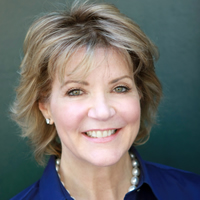 Kit Yarrow, PhD, is an APA member and an award-winning consumer psychologist, professor, author, consultant and speaker. She is professor emerita at Golden Gate University where she was previously a jointly-appointed, tenured professor of both psychology and marketing, and chair of the department of psychology. Her unique ability to apply clinical psychology to the field of behavioral economics has won her four endowed research professorships and recognition as the 2012 Outstanding Scholar of Golden Gate University. Yarrow was also a visiting professor at the Helsinki School of Economics and has taught consumer behavior at leading universities around the world. As part of her ongoing research on the psychology of consumers, she conducts interviews and ethnographies on a regular basis. Yarrow shares her findings and analyses in her books, "Decoding the New Consumer Mind" and "Gen Buy", in her articles and blogs for Time and Psychology Today and in her keynote speeches. Yarrow is regularly interviewed in a variety of media including The New York Times, The Wall Street Journal, NPR, and Good Morning America.

