Kim Mills: In the U.S., more than half of drug overdose deaths now involve stimulants like methamphetamine and cocaine. There are no medications to treat stimulant addiction, but there is a behavioral treatment that works: contingency management, which was developed by psychologists and involves giving people rewards such as money or gift cards in return for negative drug tests. It’s a simple idea, yet despite decades of research showing that contingency management works, relatively few people who could benefit from it are able to access it. Now momentum is building to put it into practice at a larger scale.
So why exactly do these interventions work? What are the psychological principles they’re based on? Can contingency management be used to treat other addictions such as alcohol or tobacco? How does it interact with other treatments? And what are the barriers to moving it from research labs to the real world at large scale?
Welcome to Speaking of Psychology, the flagship podcast of the American Psychological Association that examines the links between psychological science and everyday life. I’m Kim Mills.
We have two guests today. First is Dr. Lara Coughlin, a licensed clinical psychologist and an associate professor at the University of Michigan Addiction Center. Her research aims to increase access to effective substance use prevention and treatments, especially for hard to reach and underserved populations. She’s published more than 100 research articles, including work on contingency management interventions for stimulant use disorder, smoking cessation and alcohol use disorder.
My second guest is Dr. Michael McDonell, a psychologist and professor at the Elson S. Floyd College of Medicine at Washington State University. He’s also director of the university’s PRISM Collaborative, which stands for Promoting Research Initiatives in Substance Use and Mental Health, and is codirector of the Center for Rural Opioid Prevention Treatment and Recovery. Much of his research focuses on using contingency management to improve addiction treatment. He also partners with American Indian and Alaska Native communities to develop tests and implement new treatment approaches for addictions.
Thank you both for joining me.
Michael McDonell, PhD: Glad to be here.
Lara Coughlin, PhD: Thanks for having us.
Mills: Well, I’d like to start, as we often do, with a definition, I did say a little bit at the beginning, in the intro, about contingency management, but maybe you can flesh it out and explain how it works in practice.
Coughlin: Contingency management is an interesting name because when I usually talk to people about it, they think I’m talking about a crisis management strategy for a business, and of course that makes sense. So contingency management, the reason it has that name is the ideas is that you’re using contingencies—and it’s really based on the theory of operant conditioning. So you’re using things from the environment to manage a behavior to help a person manage or change their behavior. So that’s where it comes from.
It’s sometimes called—motivational incentives is another term that we use to describe contingency management. And psychologists developed a long time ago the idea of operant conditioning. So that’s the classic idea of positive reinforcement. And positive reinforcement really is what contingency management’s all about. So that’s the idea, that if you want to help somebody change a behavior, you want to increase the behavior or maintain it in the long run, the best way to do it, the most effective way to do it is with reinforcers or what we more commonly call a reward.
So if you think about examples of that, it might be that you are working to lose weight. Well, you might give yourself a reward once a week for maybe losing a pound or two, or in my case, I wanted to run, get back into running. I’d been a runner for a long time, and so I started giving myself a dollar every day that I ran. And if I made it to 365, I got the full $365, and I’ve been running pretty much ever since. It’s been about 20 years. So the idea of incentives or incentive-based interventions or positive reinforcement-based interventions are really that they’re a really successful way to help people change a behavior, as long as that behavior is objective and you can measure it, and as long as that person responds to the incentive or the reinforcer.
So of course we want to give folks rewards that are rewarding or reinforcers that are rewarding. So contingency management really comes from this idea of positive reinforcement and that we can use it to help people make healthier choices. And in this case, with addiction, we’re using objective behaviors like a urine test that a person could take that says, Hey, I haven’t used stimulant drugs like cocaine or methamphetamine for the last few days. And when a person demonstrates that, then they would give them a tangible reward. And what we found is that this is a really effective way at helping people stop. And in the long run, they’re more likely to maintain abstinence or non-use from drugs and alcohol.
Mills: These rewards are relatively small, and some people might find it surprising that something that modest, such as a gift card, could have such a big effect when the pull of addiction is so strong. Why does contingency management work? What are the psychological principles that underlie these interventions?
Dr. Coughlin, maybe you want to take that one?
Coughlin: Sure. And I want to say that Dr. McDonell did a really wonderful job describing contingency management, which on its face is a relatively simple idea. And that is really the psychological principle that we want to get at here, which is that as humans, we all respond to reinforcement, we respond to “attaboys” and we respond to incentives in our jobs. And contingency management is really thinking about that in the addiction space.
And this is important because a lot of our addiction care hasn’t so much focused on making sure that we are really encouraging our treatment facilities, our providers, to think about rewarding people. One of our colleagues says something that I love: Catching people doing good is not always our model in the addiction care space. And so I think of CM as counterbalancing, really the powerful reinforcing effects of drug use by making recovery oriented behaviors immediately rewarding.
And that immediately rewarding part is really important. We sometimes talk about this field as being related to behavioral economics and this being an intervention that came from behavioral economics, because it is helping us understand how an immediate reinforcer, like a relatively modest amount of money, let’s say $10, could today actually serve to prevent me from using a really potent substance like methamphetamine. And it does, and a big important piece there is that immediacy. Not telling someone, hey, you can get $10 in a year—that is not nearly potent enough to change immediate behavior. But you can get $10 today, and that is really meaningful to a lot of people. And so that is the underlying construct.
I don’t know, Dr. McDonell, if you’d like to add to that.
McDonell: That was a great description. And so many of the principles we talk about, I think the one thing I would add is just if it’s okay to talk about a really cool study, and it’s been a series of studies where they came up with this finding that really it was a small amount of it money that could help a person make a decision around their substance use. And so there’s been a number of studies done, this is one that was done in the 90s, so you have to adjust it for inflation. And they’ve done this with nicotine, cocaine, alcohol kinds of different substances. But what this study was, I think on cocaine, so they had actually got approval for all this stuff. So it’s totally was legit and allowed. And so they had people come into a facility and they had cocaine. They legally obtained cocaine, and they put the line of cocaine in front of a person who identified as a person who used cocaine, and they said, Hey, do you want a line? you can pick right now a line of cocaine or 5 cents.” 80% of people pick the line of cocaine over the 5 cents, right? Makes sense. Yeah. Then they bumped it up to a dollar and it got closer to 50/50. But once you just bumped it up to two American dollars from 1990, about 80% of the time people would pick the $2 over that line of cocaine.
And so I was just sort of riffing off of what Dr. Coughlin said about the immediacy. So to me, I think about this as an opportunity. When you’re a person who has a substance use disorder, when you’re really struggling, when you’ve lost all those other things in life that really matter to you, that really are rewarding to you, or you lost many of those things, sometimes that drug becomes your only reward and it’s your only opportunity to have positive feelings or to avoid your problems or cope with your problems.
And so when I think about contingency management, we’re offering a small tangible opportunity to pick something else besides substance use. And when we do that, most people will choose that tangible non-drug incentive over the drug, when putting them in a circumstance where they can make that choice.
Mills: I want to put out there that SAMHSA, the Substance Abuse and Mental Health Services Administration, last year increased the incentive cap to $750 per patient per year. How has that changed the ability of providers and states to implement CM?
McDonell: That’s a great question, and that was an exciting development. I think there’s been bipartisan support over the last 12 years or so to stimulate contingency management research or practice, to start to figure out ways to get it out there. And so that $750 is important because it allows states and tribes who either received the state opioid response grant or the tribal response grants, which total about $1.5 billion, that allows them to spend money on incentives. Before it was only $75, and we knew that was not an effective dose for a period of time.
So what we know is that $750 is pretty close to what we think an evidence-based dose of contingency management looks like, because you not only need to have an amount, so that dollar amount like Dr. Coughlin was talking about, $10 or so, let’s say for the first urine test you submit. And getting that reward when it’s negative, that’s important to have the right dose at that in particular time, but you also need to have the right duration.
We really know that three to six months of contingency management is really what’s needed. So to be able to give that $10 out every time a person has a negative urine test and to maintain that intervention for three months, really you got to—$750 is pretty close to where we think you need to be at. So that was really great. The challenge we’ve got still though, so I was a little worried when they did that because Dr. Coughlin and my team and other teams, only a few teams in the United States who are training people to do contingency management. So we were a little anxious when that happened, but it didn’t really open the floodgates the way we think it would because those grants had already been allocated.
So as a state administrator of a big opioid response grant, I’m supporting other with that SAMHSA grant, I’m supporting other programs already. We need more treatment for opioid use disorder, which we know buprenorphine, which is a medication is the best way to treat that. So we need to invest way more there. So those monies are already being spent. So we haven’t had as a big of a response as we were anticipating. But it’s really exciting because it’s—for the first time that money is available to states and to tribes to be able to do evidence-based contingency management. We have to figure out together where they’re going to find that money in terms of how they can take some money and move it around to be able to support this. We just need more addiction intervention would be my short response and more funding for addiction intervention across the board.
Mills: Where are these programs available right now? I mean, every state is not doing this, so where can people access contingency management if they need it?
Coughlin: The first program to do a really big rollout of contingency management – they were really leaders—was the Veterans Health Administration, which started in 2011. Now really think about that. They’ve been delivering contingency management at over 100 facilities, medical health centers, for decades now, which is incredible. Following that, states have taken a few different routes to provide contingency management at state levels, often to Medicaid beneficiaries, which are a population that’s particularly hard hit and oftentimes doesn’t receive the addiction care that most would benefit them.
And so a leader in that has been California. They got what’s called a Medicaid 1115 demonstration waiver approved. And then I’ll say Dr. McDonell’s home state also got one, in Washington, and there’s been a few others. This has provided a way for states, and this is a big undertaking, exciting and really groundbreaking work to provide contingency management in community substance use disorder clinics to anyone who is a Medicaid beneficiary who qualifies with a stimulant use disorder. So using methamphetamine or cocaine often in a way that’s really getting in the way of their life. So those programs are ongoing.
A few other states have taken other approaches. I’m in Michigan, here in Michigan, we have a program also for Medicaid beneficiaries who have stimulant use disorder or opioid use disorder that uses opioid settlement funds. And so really—and other states are also following that such as Vermont and Maine. And so I think states, increasingly we’re seeing this sort of versioning of states really wanting to be a part of this, really seeing that contingency management is a way for us to address the rising stimulant use challenges that we face in the context—right now as a country where we’re actually finally seeing some relief in opioid involved overdose deaths. We’re finding that we really need to attend to the fact that many are using multiple different types of substances and this is what we have that works for stimulant use disorders.
We’re seeing states get really interested, also payers, insurance payers, getting interested in making sure that their individuals that are on their plans are getting the services that we know through the science work. So it’s a really exciting time honestly to see both the different pathways for funding this work and the different large systems, state and national health systems, taking contingency management up and figuring out what this looks like in the real world when we’re no longer in a randomized control trial, which is where a lot of the work was in the 90s and early 2000s.
Mills: I want to ask a question about the types of people for whom this works. Now, you mentioned Medicaid, so we’re talking about people who are not making a lot of money. Is it necessary for a person who comes into a contingency management program to basically be on a lower socioeconomic level for this to work? Or can you be a successful businessperson making a whole lot of money and still getting 10 or 15 bucks a shot is going to change how you behave?
McDonell: That is a common question that we get. Thank you, Kim. So there’s no evidence that your socioeconomic status predicts whether or not you respond to contingency management. And I think about that sort of in the perspectives of—some people are very motivated by a small reinforcer, like a small pat on the back gets them going, or they’ll do something for a dollar, and it’s amazing. Where other people are just like, absolutely they’re not interested, not—so there’s some individual factors there. I know people are studying that. But those seem to be more—not related to your socioeconomic status, but maybe related to your decision making process and the way you see costs versus benefits of any particular decision.
And it raises a larger question which comes back to this, which is: We need to figure out who responds and when. And actually we know that the more severe your addiction, the less likely you are to respond to any given treatment. So for instance, the best predictor, and this is where my team does a lot of work and research, is sort of the level of a biomarker you might have or let’s say a urine test. A urine test, if it’s positive, that’s a predictor that you’re going to do less well in contingency management. It’s also a predictor of how well you’re going to do in any other substance use intervention.
And so I think we’re starting to really look at those factors, but socioeconomic status does not seem to be one. And right now I’m doing a virtual study across the country of contingency management for alcohol use disorder, and we have people across a wide, wide range of socioeconomic status and all kinds of locations. The main thing that we’re finding in this study is that only about a quarter of people have ever gotten treatment for the alcohol problems before. And so I think that’s a bigger thing—that people are just really looking for help no matter what their substance that they’re struggling with is. And this is like Dr. Coughlin was saying earlier, this is a positive, empowering and fun way to support people in making behavior change.
Mills: If we’re talking about using contingency management for say, alcohol use disorder or smoking cessation, how do you measure whether somebody is backsliding in a given week? I mean, do you know that I had a drink last night?
McDonell: So I can talk about the alcohol side and maybe Dr. Coughlin can talk about smoking? I think that’s a good split. So I’ll be really quick. So that’s my niche in contingency management. In terms of our research program that I do, there was a study done, a wonderful, great study done in the early 2000s on contingency management for alcohol, and they did breathalyzers a couple of times a week. And of course when they analyzed the results, they found that people had were way more likely to submit a negative breath test two times a week. But they also found that they were in a detoxification treatment and they were in the ER and they had drunk driving under the influence charges. So they weren’t catching all their alcohol use. And so in our case, we use a urine test called Ethyl Glucuronide or ETG, and that can detect use about 3 to 5 days, which is pretty similar to a stimulant test. And that’s the standard sort of outpatient contingency management model is you come into a clinic two times a week and give a urine test. And so we’ve shown that contingency management using that works really well.
We’re also using another, which is a blood-based biomarker that people can self-collect a EA blood sample and then send it off to a lab and we can detect with that biomarker, which is called Phosphatidylethanol or PEth, we can detect someone’s substance use for up to a month. And so what that gives us the ability to do is to sort of start a person in a program where we’re more frequently maybe monitoring or measuring their substance use with a biomarker, but then with this blood biomarker PEth, we can actually move, once a person has established a period of abstinence and they feel like they’re doing really well, we can move it to be less frequent so that they can come in just a once a month or meet with us once a month. And then it’s much more convenient for them and we might be able to keep the intervention going longer. So that’s how it works for alcohol. And I’ll let Dr. Coughlin talk about tobacco.
Coughlin: Sure. So in the tobacco space, what we know is that contingency management really helps people be successful in a quit attempt, and it can also make people be more likely to be willing to make a quit attempt now. So if you ask people who smoke cigarettes like, Hey, do you want to quit? Eight out of 10 of them, the vast majority are going to say, yes, I don’t want to smoke cigarettes. We’ve had a very successful public health campaign around that. People know they’re bad for them. Yet if you ask people, do you want to quit today? Are you willing to quit today? People are less sure they’re ready to do it right now. However, if you put that in the context of we’re doing this, we have this program, this contingency management program, and you can actually earn rewards for quitting, suddenly people are like, okay, that helps to push their decision towards like, okay, let’s do it now.
And then we see that people are more than two times more likely to be successful in quitting using contingency management, even when we add it to things like nicotine replacement therapies and smoking cessation medications that we also know are helpful. So this is a way that we can sort of be really serious. We know that the cost of smoking is the largest preventable cause of death and disease in our country. It’s very costly on our healthcare system and the type of services that people end up needing, and we have a way to really help them quit. And we can do it remotely, which is maybe the most important part.
So Kim, to your question, we can measure if someone’s smoking frequently without needing to ask them to go to a clinic all the time because we can do it through exhaled breath, so it’s just blowing into a little device or we can give to people and it tells us if they smoked recently or not based on the carbon monoxide levels. So this is a way that people can monitor it over time. People really like to be able to see how their CO levels change like hour to hour, and then they can get rewards. And so it’s a really nice way that we can in a population health model, sort of like how quit lines work, be able to support people and get them really making a serious robust quit attempt. Because quitting smoking is extremely challenging and we really need to give it our all.
Mills: Is contingency management usually offered together with other treatments? I mean, you mentioned some things that you can do with smoking, but if we’re talking about people who are on amphetamines, opioids, does something like cognitive behavioral therapy help or is it fine all by itself?
Coughlin: It could go both ways. Certainly contingency management can be offered on its own and doesn’t require also providing psychotherapy, for example, like cognitive behavioral therapy. And in trials where we’ve looked at it alongside cognitive behavioral therapy, it just improves outcomes. So this is a case where it’s not contraindicated. We’ve also looked at this—not Dr. McDonell and myself personally, the field has looked at this—if for our medications for opioid use disorder, and again, contingency management improves on outcomes. And when we talk about opioid use, medications for opioid use disorder are our first line treatment, just like contingency management is our first line treatment for stimulant use disorder. So the recommendation I would be like, of course, medications for opioid use disorder and contingency management in addition, helpful. When it comes to stimulants, the recommendation I would give is contingency management is what we should definitely have in the mix. Adding cognitive behavioral therapy is amazing. You’re learning skills to manage stress and to manage problematic thoughts. That’s a great thing to add in addition to reinforcing someone for the recovery oriented behaviors.
McDonell: And I would just add that’s wonderful, a wonderful description and a hundred percent agree. I think the main challenge we have in addiction treatment for stimulants is most of the interventions we offer are not evidence-based. So they’re not cognitive behavioral therapy. Often they’re often other kinds of education and other programming. And my experience from doing this for 15 years is that we have a lot of people who come to contingency management and they’ve tried inpatient programs, they’ve tried outpatient programs, they’ve been in prison or jail because of their substance use and they’ve tried so many things and for whatever reason this really works. And so we really moved towards the, as Dr. Coughlin was saying, I’ve moved towards a statement of contingency management first.
So in the opioid field we talk about medication assisted treatment and that is where the medication has to be added to ongoing other psychosocial services. But the research evidence really suggests it’s the medication that works and those other things are great if you have other issues that you need help with and we should offer them. And I really am seeing that for contingency management as well. And I would just like to highlight some really great work that Dr. Coughlin’s done, and if I get the details wrong, sorry, but just take a step back again.
With buprenorphine and opioids, we know that if a person is prescribed buprenorphine, they’re 50% less likely to die than a person with opioid disorder who is not. And so we’ve been looking for years, we’ve been hoping someone who just could publish a study that said that something similar for contingency management. And so Dr. Coughlin and her team working with the VA were able to show that, and I’m going get it slightly wrong so I apologize, but 40%—that mortality was reduced about 40% in people who had a stimulant use disorder who received contingency management in the VA system. So not only can we say it works and helps people reduce their use and helps people reach their goals, but also saves people’s lives.
And I think that’s what, as we talk about this crisis and we see the evolving crisis and including that, it includes stimulants that it’s so essential that we offer this because we’re seeing these amazing lifesaving impacts.
Mills: And I think you could maybe add to that because my understanding is that this is over the course of a year, they’re less likely to die from stimulant, from an overdose, right? That’s what we’re talking about.
Coughlin: You’re exactly right. So in the VA, their contingency management model is a three-month model. So what this shows is that for people that had a stimulant use disorder, we looked at folks that did receive contingency management and folks that didn’t. Seen at the same place, so both having the opportunity to potentially receive contingency management, and those who received it, we then followed them for a year. And we also followed those folks who didn’t receive it. And we see that those who received contingency management, as Dr. McDonell did a great job summarizing, were less likely to die, less likely to die in a similar magnitude of what we see for someone receiving medication for opioid use disorder when they have opioid use disorder. So we’re reducing all-cause deaths, so dying for any reason. We’re also reducing overdose deaths, so fewer overdose deaths and fewer deaths with stimulant involvement.
So seeing a pretty clear signal there that in our gold standard signal in the addiction treatment field—because this is pretty hard to see—they actually change death outcomes. That contingency management is quite literally able to save lives, which really helps to underscore sort of the public health message that we have here that I really relate to what Dr. McDonell is sharing. That contingency management really is what we need to have on board for people with stimulant use disorder because we have a lifesaving solution and it is—as our a field and as providers our job to make sure that this is available widely.
Mills: And just to talk in practical terms, so the way that this works is that a patient will come into the place where contingency management is being offered and will give a urine sample. Now, how do you always guarantee that you’re getting the urine sample of the person who’s coming in and participating, and then if it’s negative, you get a certain amount of money. If it’s positive, they’re not punished, right? I mean they may get less money, but you don’t say you lose, go away.
McDonell: Yeah, that’s a great question. One of our colleagues that Dr. Coughlin and I worked with and is a part of my team says, we’re flipping the script on urine testing. Urine testing has been used as a way to catch people when they relapse. And if you think about that, any other disease, if you have a bad outcome, we don’t say, Hey, it’s your fault. You may experience some shame if you’re not managing your diabetes or your goal is to lose weight or something, but it’s not—in addiction, we set it up to be these measures, these wonderful measures that allow us to objectively know if a person’s meeting their goals or not, we’ve used them to hurt people. We’ve used them to put people down to make them feel shame. So in contingency management, we as my colleagues says, flip the script. We flip the script on urine testing.
We actually don’t follow people down the hall and observe their urine tests. We want to treat people with respect and dignity and in a positive way. And so we hand them a urine test, they walk down, give the sample, they come back. We aren’t foolish. So we do things like, do we test the temperature of the urine. There are things you I never thought when I was in graduate school I’d ever talk about on a podcast. So we do some simple things like that because we don’t want to set people up to be tempted to mislead us, but sometimes people have to unlearn that they have to just unlearn the fact that—they sort of have the shocked look on their face when we say, oh yeah, your result’s positive. Keep trying. Let’s come back in a couple of days and let’s try again. Or how can we help you work on this? And they’re sort of shocked at first. They’re like, oh, you’re not going to yell at me, or you’re not going to say, Hey, you’re not meeting your treatment goals or you’re not going to call my parole, probation officer. We’re like, no, come back again. Try again.
And so that positive, encouraging, repeated chances for success the two times a week, the reason we do it two times a week is because people can come back and if they don’t make it 1 week, 1 day, they can try again the next day. And when they try and they get that first incentive, you’ve seen them face light up is amazing, and the high fives you get and the smiles, and that’s really, really wonderful.
And then that momentum builds with the incentives. So we really try to treat people with the respect and dignity and accountability that we expect. And we also recognize that this isn’t as high stakes as whether or not you’re going to go to jail or you’re going to lose your kids if you test positive for a drug test here or you’re going to get kicked out of the NBA. Really, this is a $10 gift card. And most people are very respectful about that. And if a person does try to pull one over on us—we just don’t see that for that sort of level of incentive we give out.
Mills: How long do these interventions typically last, and then what happens to people when the incentives end?
Coughlin: I like to frame this—any of our treatments, like our therapy treatments and our medication treatments, so we think about in the space of addiction, we provide a treatment and we’re—for contingency management, we provide typically a three-to-six-month intervention. And then we actually have, there’s a really great meta-analysis that came out a few years back, and it showed that among studies, multiple studies with contingency management and with other types of interventions tested as well, once we stop the interventions—yes I want to be clear, just like when we stop cognitive behavioral therapy or medication, you see some return to use among people that use stimulants. And for those that receive contingency management, you see less of that than you do for other types of interventions. So actually, you stop the intervention and more people than you’d expect are continuing doing well.
And this really gets at a key misconception in the contingency management space, this idea, the myth that people are only not using because you’re giving them these rewards. And this is just entirely not panning out when we look at the data, because we find what patients tell us is this is consistent with their goals. Most people do not want to be using methamphetamine. If they’re experiencing a methamphetamine use disorder, it’s a really pretty miserable time for them. And so they want to be stopping use. And you find that if you can help people, scaffold them to have some success there, then when the incentives end, when the intervention ends, folks actually more than not, don’t return to use and have started getting reinforcers from other things in their lives.
So that time where they weren’t using during the contingency management intervention might have given them time to get a job to make progress on getting their kids back, to make progress in the legal system, such that they’re starting to experience reinforcers from reengaging with family, from other things that actually serve to support their ongoing recovery. So there really are two takeaways there. One being contingency management, long-term outcomes after intervention are as good or better than our other stimulant use disorder treatment interventions. And also contingency management, the rewards we’re giving people in contingency management are really just the early rewards to helping people engage with more robust rewards that actually keep many of us from not going into using substances regularly—those family and jobs and things that we’re trying to reengage folks with.
Mills: Thinking about expanding access. Since these programs clearly work, can CM interventions ever be done virtually or do people always have to come in for an in-person test?
McDonell: So yeah, as I mentioned before, we’re doing a virtual study and I’m only doing the virtual study because of the pandemic. We had an in-person study that was actually supposed to be done in permanent supportive housing where we thought, Hey, people can’t come into the clinic two times a week, let’s offer it at their home. And so we started with that and as soon as we recruited our first participant to that study, we found that the pandemic hit and we had to pivot. And so we developed a virtual version of this where folks come in and they submit a blood test and we just observed them. They do it, collection, on their shoulder here and then the easy blood sample and they mail it off, and then if it’s negative, they get an incentive sent to them via text and a gift card incentive. And that’s worked wonderfully.
And again, I mentioned only 25% of people in that study are saying they ever had treatment for alcohol use disorder before. So reaching 75% of the folks coming to that study are coming and have never received any intervention before. And many of them talk about how interested they were. And this I think, fits an overall healthcare trend of virtual delivery of other healthcare modalities. Really, they’re emphasizing that virtual piece is why they’re doing it. We have another study that we just wrapped up where, and other people are doing work like this, where we have a breathalyzer again for alcohol. And so a person blows in a little breathalyzer and they take a picture, a selfie, then we have facial recognition software that verifies it’s that person. And if they have a negative samples three times a day, then they get an incentive every day.
And we’ve just analyzed the results of those. They aren’t published yet, but they’re pretty amazing and consistent with our other work. So we’re really trying to figure out ways to really address those barriers in particular, that come in two times a week to a clinic, as a challenge. And also some people, especially when you move into the smoking cessation space or alcohol treatment space, they don’t want to go into an addiction treatment clinic. They might feel like that’s too stigmatizing for them or it’s not a place that they maybe are interested in. So I think that’s definitely been a space where there’s a lot of exciting work happening.
Mills: Dr. Coughlin, you wanted to jump in there?
Coughlin: Yeah, I’ll just add to what Dr. McDonell said here. So one thing within the digital contingency management space that we found really interesting is that there might be an opportunity to reduce the burden for patients to engage in contingency management. I would say the biggest challenge that’s facing contingency management right now is making sure that we really are getting it to people and to the majority of people for this to have an impact. It can’t be a bespoke model that only a very, very few people ever receive, whether we’re talking about smoking, drinking, stimulants, opioids, we really need it to be something that’s widely available. There’s been so much work done in the addiction space and the mental health space broadly to think how we get evidence-based care into population health settings. And digital is, I’d say one important tool for that. So we do some work with tobacco use providing an app-based experience, but making sure that we still have it interfacing with clinicians or coaches because for many people, as Dr. McDonell did a wonderful job exemplifying, especially if they’re having trouble with initial not using, initially having positive samples, that relationship, that interaction with the clinician is so key.
So reinforcing, working towards that early success, that high five is really, really important. So my personal thinking on this currently is there is definitely a space for digital contingency management, and we need to be thinking about how that interfaces with what is really important again to us as humans, and also reinforcing, which is connecting with someone and that sense of belonging. And so I think that these two pieces are really coming together in the science, and also there’s some companies out there that are doing really forward thinking work, thinking about how we can build models of digital contingency management that both have fidelity to these key mechanisms of contingency management, incentive magnitudes that are meaningful to people, frequency of testing and getting incentives to people right away. So they feel that the reward really is counterbalancing the reinforcing effects of the drug, but doing so in a way that is really scalable. And so I think that it’s an exciting time in that space because we’re really thinking about how can we reach people, whether they live in the UP of Michigan or in Seattle, and make sure that they’re getting access across the board to the treatments that work.
Mills: I just want to wrap up by asking you both about the biggest challenges in getting CM to all the people who would benefit from it. Because what I hear you saying is it’s proven to be effective. We’ve got the evidence, it’s been tested since 2011, you said, was when the VA started working on this, and yet it’s not available in every community to all the people who need it. So where are the stumbling blocks?
Coughlin: I’ll start out and then Dr. McDonell could have the last word here. So it’s multifactor as it always is, though I’d say we’ve made incredible progress in the policy space and we’ve also made a lot of progress in the payer space. For a long time the reasons everyone said we didn’t have wide enough scale contingency management were that we hadn’t figured out how to pay for it at scale, which we’re doing right now through demonstration projects, through state funds. In many cases, we’re cracking that nut, which is really incredible. And I’d also say, Kim, you mentioned the SAMHSA advisory that came out, sort of the federal communication of we are behind meaningful amounts of incentives to make sure that this is available really helps to alleviate some hesitation that we were seeing from the policy side of getting this out. So that was a really, really big progress.
To me, the biggest challenge we’re facing is thinking through how we’re going to do this across a really varied substance use disorder treatment infrastructure. And it takes, I think a couple things. One, it takes a lot of focus on developing our contingency management champions, and this means people across all levels. You’re talking to Dr. McDonell and I, but there are a lot of people that care deeply about our addiction care, making sure that we are developing people that are going to champion this within clinics, within departments of health, within our states, within our federal agencies. So that’s one real key I think we’re working hard on. The other piece that I focus a lot on is that contingency management is not necessarily accessible to everyone when we do it in clinic. So what we’ve alluded to a little bit is this idea of coming to a clinic twice a week when we’re talking about—the biggest place we need contingency management right now is stimulant use disorder. That doesn’t work if you have a lot of childcare responsibilities, if you live more than 10 miles from a clinic, if you don’t have regular access to transportation. And so we really need to be thinking about how we can lower barriers for people to receive contingency management across all sorts of people who are living all sorts of different lives. And so we’ve thought a lot about this in the opioid use disorder space, and I think we can learn a lot when we think about how to lower barriers to make sure that people that have stimulant use disorders are able to receive contingency management equally.
McDonell: Thank you, Dr. Coughlin.
I would just add, I’m sitting in my office here, and I remember sitting here 6 years ago and I just met with a reporter, and she asked, why isn’t contingency management being used outside of the VA? And she just wanted to meet with one client who had a stimulant use disorder who wasn’t being served by the VA, and we couldn’t, a bunch of us experts that are outside the VA couldn’t find a single person. We couldn’t find one person that she could talk to. And I’d sat in my office and I was depressed. I was like, what’s the point? I didn’t sign up to be a researcher and develop treatments that aren’t being used. And so I had had a personal goal of just trying to figure out why the heck is this going on?
Until that point, most of the feedback I’d get about why contingency measurement shouldn’t happen or isn’t happening is because it was immoral. People shared their moral concerns about it. Why are you paying people to stop using drugs? And that’s, we’ll often see a story about contingency management with that headline, which is unfortunate. So there’s sort of stigma around the intervention. But really once I started learning about this, I learned it was actually not that at all. It was the funding piece. This is not a talk therapy. This is not a medication. So there’s really not a practical way to pay for it. And that’s why the VA has been so successful because their healthcare system is organized in a different way than the rest of our healthcare systems for the most part in the United States. And so you all were able to overcome that. And then also there’s amazing things that you were able to do inside the VA to really fundraise and get leadership support to pay for it.
So the changes we mentioned about the SAMHSA changes are wonderful, and we need to keep working on those funding to have multiple ways to fund this intervention and to have a billing code for contingency management, which doesn’t exist. The other reason though, and I think the bigger reason is regulatory, and I absolutely never wanted to learn about this. I didn’t want to learn about urine testing like I said, but I also didn’t want to learn about regulatory and taxes and things like that. So in general, it’s prohibited to give a patient whose care is funded by Medicaid money. And there’s been a lot of fraud outside of the addiction space, there’s been a lot of fraud, billions of dollars of fraud over the last 20 years where providers would provide an incentive, like a gift card to somebody to come in for a health screening, and they’d run up all these medically unnecessary tests. And so the federal government has good reasons to be concerned across all administrations that that’s happening, and they don’t want that to happen. And so until the end of the first Trump administration, there really was a prohibition against contingency management in the federally funded space outside of the VA.
And so what we’ve really worked hard on, and this is where I’m really proud of us as psychologists, is that the team who’s led this work, really led by Dr. Rick Rawson and many others are all, and there are many allied professionals part of this, but really it’s been a psychologist led effort to advocate for the funding and policy reforms that are needed. And so we’re at a point now where the Medicaid demonstration waivers that Dr. Coughlin was mentioning, where they offer one way to get that regulatory approval. And there’s other rules that we’re learning more about, and we’re hoping that we get more clarity from the federal government on those rules. But really that regulatory barrier is still our biggest challenge in terms of people really do not want to be subject to a Medicaid fraud investigation. The word fraud, waste and abuse is terrifying to people. We know contingency management is not fraud, waste and abuse. The federal government’s been very clear on that, but feeling comfortable and willing to implement it and having the regulatory approvals to do it is another thing. I think that’s a big barrier.
Mills: Well, Dr. Coughlin, Dr. McDonell, I want to thank you both for joining me today and thank you for the important work that you’re both doing. Thank you.
McDonell: Thanks so much for having us. This was really fun.
Mills: You can find previous episodes of Speaking of Psychology on our website at speakingofpsychology.org or on Apple, Spotify, YouTube, or wherever you get your podcasts. And if you like what you've heard, please subscribe and leave a review. If you have comments or ideas for future episodes, you can email us at speakingofpsychology@apa.org Speaking of Psychology is produced by Lea Winerman.
Thank you for listening. For the American Psychological Association, I’m Kim Mills.


 Lara Coughlin, PhD, is a licensed clinical psychologist and an associate professor at the University of Michigan Addiction Center in the department of psychiatry. She is the codirector of the Michigan Innovations in Addiction Care through Research and Education program and Mental Health Equity Lead in the Eisenberg Family Depression Center.
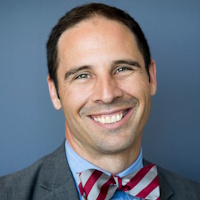 Michael McDonell, PhD, is a professor at the Elson S. Floyd College of Medicine at Washington State University. He is also the director of the Promoting Research Initiatives in Substance Use and Mental Health Collaborative, and the codirector of the Rural Center for Opioid Prevention, Treatment and Recovery, as well as a leader of the Center for Cannabis Policy, Research, and Outreach.

