Kaitlin Luna : Hello and welcome to Speaking of Psychology, a bi-weekly podcast from the American Psychological Association. I'm your host, Kaitlin Luna.
Before we dive into our conversation, I want to remind you, our listeners, that we’d love to hear from you. If you have any comments, questions or ideas for us, please email me at kluna@apa.org, that’s kluna@apa.org. Now, onto the conversation.
We all want to find meaning in our lives–a reason to get up in the morning. But, doing so may not be so easy. What is meaning in life and how do we find it for ourselves? Our guest is Dr. Clara Hill, an APA fellow and professor of psychology at The University of Maryland. Dr. Hill recently published a book “Meaning in Life: A Therapist’s Guide,” which assists therapists as they help clients find meaning in their lives. Today’s conversation will examine the concept of meaning in life and ways to find it. Welcome, Dr. Hill.
Clara Hill : Thank you. It’s delightful to be here.
Kaitlin Luna : So, there’s a lot of talk out there about finding one’s purpose or calling, passion, you know, meaning in life. So, what are your thoughts about those conversations that are happening out there in the world?
Clara Hill : Well, I think it’s terrific because I think people really need to find meaning in life and the emphasis is ever more now than what it used to be, which is interesting. I think in the past, people often took their meaning in life as their religion or their job and didn’t have much opportunity to think about it. I think they still had meaning in life. They just didn’t have the opportunity to have as many choices about meaning in life. And I think as, as particular religion declines and as job security is so flexible, people really have to spend a lot more time to think about what they want in life and how they’re going to go about getting it.
Kaitlin Luna : Is meaning in life an eternal question? Have people always searched for meaning in life or is that something that’s happening because of our modern world today?
Clara Hill : Well, I think it is something that people have always searched for because by the nature of our cognitive development, when we try to figure out how to make sense of the world, I think that’s why religions developed. People had to figure out what, what they’re here for and what the purpose is, so I think it’s something we’ve always struggled with.
I think sometimes, especially in the distant past, it was up to other people to decide for us what our meaning was and I think, again, as more technology, times have changed, I think we have more of the ability to decide for ourselves what we want our meaning to be.
Kaitlin Luna : Yeah, absolutely. It’s probably something they would see in ancient, probably in the Bible, ancient texts, questions like “what is our purpose here” or “what are we doing in this world?”
Clara Hill : And I think the answers were more clear cut. Your purpose is to fulfill God’s will. But, and you know, that was really good, and there’s plenty of evidence that people who are religious and have spiritual sense are happier and have more meaning. But, that doesn’t work for everybody.
On another point and interest, we talked about people having purpose, but we could talk about other animals, like dogs and horses, particularly. There’s a lot written about feeling the need to have a purpose to feel like they’re doing something important. Dogs get trained to help people. It’s not just people, but it is a level of cognitive development and I think people have certainly had to talk about it more. So, that makes a difference.
Kaitlin Luna : That’s fascinating about animals. I hadn’t thought about that. If you think about, you know, what makes a dog happy is kind of like having a job to do or sniffing, which is probably in their minds, checking out the environment or keeping the family safe or guide dog, that sort of thing.
Clara Hill : And some dogs, if they’re not like Border Collies–if they don’t have a job, they kind of go a little nutty.
Kaitlin Luna : Yeah, or Huskies, that kind of thing. The working kind of dog. A smaller dog, maybe a very small dog, like a toy Poodle or something. But still, I think there’s that innate sense in animals to do.
Clara Hill : Right. And I think it really does go with our cognitive development because you can see it in children. Little children still want to have something to do, but as you start thinking about it more, it’s the ability to think, especially as you get to be an adolescent, you know, the feelings about meaning of life, kids want to know what they’re doing with their lives. So, it becomes a very much of a crisis period to think about what am I going to do and then in middle age it becomes a period of well, am I doing what I want to be doing? And then as you get older it’s, have I done what I wanted to do? What’s next?
And then I think death anxiety clearly figures into that because when we die, we want to feel like we’ve accomplished something. And death is going to happen to all of us.
Kaitlin Luna : Yes, let’s touch on that a little bit. How does meaning in life change across the lifespan? Like, you mentioned children and then teens and adolescents and then, you know, budding adults, middle age. It seems like meaning in life can change across the lifespan.
Clara Hill : Absolutely. Well, I think another thing that’s important is to think about, it’s not like something you attain. It’s something you’re always working on. So, you can have one big thing, like you can have your career set. But, also, I think in every moment in every day we’re thinking about what gives us meaning right now. So, there’s different small-m meaning and big-m meaning.
Kaitlin Luna : Yeah, absolutely. I think, the other day I was thinking about the things in my head that I had to do when I got home–like making dinner or something like that. And begrudgingly, I was thinking about it. And I tried to connect it with values I have, like having dinner on the table and a healthy meal and that seemed to help a little bit, you know? You get home from work and you’re thinking about all of these things before you can have your kind of “you” time. But, that seemed to help. Obviously, it’s a very small thing. It’s not “what is my purpose here?”
Clara Hill : But, it isn’t a small thing. I think all of these things are important, even the small things add up a lot. And it’s making decisions at each moment about what I want to be doing and if you’re doing things begrudgingly, your life is worse for it. If you’re doing it because you want to take care of yourself, you want to take care of your partner, then you start having a different attitude and if your values fit in then it’s very important that it fits with values.
Kaitlin Luna : Yes, that did seem to help. Even something like cleaning or something like that.
Clara Hill : Well, we make choices all of the time. And so, cleaning at some level could be begrudging and a task, but if you can think of it as here’s something I want to do and if I don’t want to do it, there’s other ways around it. Whose standards am I living up to?
Kaitlin Luna : Right. That’s important to examine even on the small level.
Clara Hill : Exactly.
Kaitlin Luna : And I wanted to–if you could explain the difference between meaning in life and meaning of life? Because even as I was writing these questions, I was thinking–I kept having to catch myself saying meaning of life. So, can you explain what that is?
Clara Hill : Absolutely. So, meaning of life is what is the meaning of life? Why are we here? How did humans come to exist? Is there an ordained purpose for us? Is there a larger meaning of life? Or is it just evolution that brought us to the place we are? So, those are the kind of–it’s kind of the generic of everybody. It’s not just me personally, whereas meaning in life is how I construct my meaning.
Even if I believe that the meaning of life is a religious meaning, I still need to make it my meaning. So, it’s more of something I take on, I construct, and I develop. So, it’s not even searching for it because searching for it makes is sound like something outside you go out and find some place. Whereas I’m saying it’s more something we have to construct. We have to make up. We have to decide. We have to choose. And it’s within our power, within limitations because we all have limitations. But, it’s within our power to choose what our meaning is going to be.
Kaitlin Luna : And can you talk about how people can find meaning in their lives? I mean, these are very large questions.
Clara Hill : Very large questions. Well, I think it’s the simple thing–on some levels, it is the simple thing. Every little thing you do–making a choice–what do I choose to do? What am I getting from that? What meaning do I take from that? And being very reflective and self-aware. I think that’s the–that’s the key to finding the purpose and then finding am I doing what I want to be doing? And really stopping and reflecting.
And I think for most of us, we don’t do that reflection on a regular basis. Life kind of takes over and we just kind of go through and do what we have to do for the day. And then when something comes up, some big transition–a death of a parent or a death of a pet or you get fired from a job, all of a sudden, it’s like “ooh.” Then we have the big existential conversations about what is my meaning. So, I think again it’s that every little thing we do as well as the bigger questions about meaning.
Kaitlin Luna : So, you’re talking about answering these big existential questions. Do those tend to come around when you have a life change?
Clara Hill : Yeah.
Kaitlin Luna : Okay, can you talk about that a little more.
Clara Hill : It’s either at points of regular life, developmental kinds of tasks, like emerging adulthood, finding a job, finding a partner, middle age, old age or it’s because of transitions that happen, like you get stuck in a tsunami or you have a death or you get traumatized by a rape or something like that and all of a sudden, everything you’ve thought of in the world as the just world, that things are the way they are gets disrupted. And you have to stop and think. I can remember when my father died, I remember sitting in a coffee shop and just like, it felt like the world had stopped. It’s like, how can these people keep going? Nothing makes sense anymore. And, I think especially when something doesn’t make sense, that disrupts us, and it makes us stop and think. And lots of times, we just cover over that and just, we can’t handle it. Just run away.
So, there’s that feeling of this is too much to handle. And I think the thing is those existential questions are very difficult but that’s the golden time, that’s really the opportunity to stop and think and re-evaluate, is this the way I want to be spending my life? Because, we only have a certain amount of time here.
Kaitlin Luna : So, it’s really a gift, those moments?
Clara Hill : Absolutely.
Kaitlin Luna : As hard as it can seem at the time, whatever likely you’re dealing with a challenging situation.
Clara Hill : Well, it’s an opportunity.
Kaitlin Luna : An opportunity. Yeah, right.
Clara Hill : I don’t know if I’d ever–some of those things I don’t think I’d ever say as gifts.
Kaitlin Luna : I mean, looking back, you could say that was an opportunity and we’d be at one of those pivotal points in life.
Clara Hill : Pivotal points. On the other hand, sometimes events are so hard that they do destroy us. But, some events are good enough that are opportunities to help us rethink what we want.
Kaitlin Luna : Kind of like a pivot point?
Clara Hill : Mmm, hmm. Exactly.
Kaitlin Luna : That’s really fascinating, I mean that these events could really drastically change–you know, call into question your meaning.
So, if you have a traumatic situation happen that does call into question the meaning of life that you had believed in before that, what do you do?
Clara Hill : You have to think really long and hard about, you know, what does this mean? I think that most people kind of go into those situations and they think, for example, that there’s a just world. And when they learn that the world isn’t just, that the world is unfair, that’s just traumatic. That’s devastating in many ways. And having to come back to that and incorporate that into your way of thinking and not give up, but to say, within the limits of what I can do, what can I do? How can I deal with this? How can I prosper within my set of limitations?
Kaitlin Luna : Yeah, so if you do run across a situation where you do think the world isn’t fair–are you sort of saying that the thing to keep going and to keep asking the hard questions?
Clara Hill : Yeah, I don’t like the idea of just keep going. I think that denigrates the difficulties. I think the thing is to really stop, pause and reflect. If there’s any theme in anything I’m going to say, it’s that self-awareness, reflection, thinking about one self. The problem is for many people, that’s really hard. You know, that’s why therapy is so valuable because it’s really nice to have the supportive person who will listen to you and help you explore non-judgmentally. Most of us didn’t have that as children.
And so, having that person there who will listen to us is really important because these are things we don’t want to look at. We’ve often been trained not to look at them. And so, it really helps to have someone nearby who you can talk to about it.
Kaitlin Luna : Yeah, absolutely. It’s like a mirror, you know? Obviously, very highly intelligent trained mirror, but a reflection of you and your attitudes.
Clara Hill : Exactly. Because what you’re trying to do is figure out what you want because so much as the time with children, we do what we’re told to do. So, moving from being told to figuring out on our own who we are and what we want because nobody can tell you that. It’s something you have to struggle with to do on your own. And the more you put it off, the harder it gets, but the more important it is.
Kaitlin Luna : So, you think if you do put it off does that lead to something like a crisis later in life?
Clara Hill : Absolutely.
Kaitlin Luna : Or profound regrets at death?
Clara Hill : Right.
Kaitlin Luna : And that sounds very scary. I mean, if I just think about that right now, it is too late. A lot of times we say, you know, these motivational things, like it’s never too late to change, which I do believe in. But, at the same time there will be a moment.
Clara Hill : There will be a moment when it’s too late. And sometimes in our final years we not only die, but we get Alzheimer’s or whatever and it is too late at that point.
Kaitlin Luna : Right, where you’re ill or something like that.
Clara Hill : But you do what you can at the time and sometimes some of us can’t do anything more and that’s what we can do.
Kaitlin Luna : In your book you wrote about five components of meaning in life. And they are: a felt sense of meaning; mattering and significance; purpose, goals and engagement in life; coherence; and reflectively of meaning. Can you walk us through each component?
Clara Hill : Absolutely. So the felt sense is, most of us, if you ask somebody, “Do you have meaning in life?” They will answer immediately “yes” or “no” or on a 10-point scale, 6, 7, whatever. And it’s just this sense that you have and it’s often hard to even say what it is. Sometimes, and there is research to show, that when you feel good, you rate yourself as having more meaning in life. I don’t think it’s the same, but I think that you actually see that you have more meaning when you feel good. So it’s just this felt sense. Mattering and significance, in my mind, is the most important. Mattering is mattering to someone else or other people mattering to you. The feeling of my family, my husband, my children, my grandchildren, my students, they matter to me and I feel like I matter to them. It makes a difference that I’m in the world and they’re in the world. So that’s the mattering. Frank and Frank in their book, Persuasion and Healing talked about some African cultures and when some people were thrown away from the tribe, they were told to go away, expelled from the tribe, they died. Perfectly healthy people would go out into the forest and die because they no longer mattered. And there is some research on prisoners, that prisoners feel like they don’t matter, they feel like discards from society. And that feeling of mattering is so crucial to us that, it’s kind of like, I do have a place in this world. So that’s the mattering and the significance that goes along with it is that I have done something significant, I have a legacy. Think of all the presidents who’ve left behind a legacy. I think we all want to leave a little bit of legacy, we want to see an obituary. The people who have remembered us, that we were there. We have tombstone, we can show that I was here, I existed, I made a difference at least for a moment. So that’s mattering and significance. And then the purpose, goals and engagement is feeling like you have something to accomplish in life, something that you’re doing, you have a purpose or goals, or you have had a purpose or goals or that you’re totally engaged in something. So, for example, I’m writing a revision to my Helping Skills book; I’m totally absorbed in it. That’s engagement. I feel like I’m doing something that matters to me. So that’s having a purpose. Lots of times that’s taken up by having a job, but it can be a vocation, it can be a hobby, it can be volunteering, it can just be doing something for a neighbor, it can be a random act of kindness.
Kaitlin Luna : So, it doesn’t have to be so intense as a job. I think there’s a lot of pressure out there when it comes to finding your passion or calling. There are a lot of great motivational speakers who talk about what they’ve learned and how they’ve been successful, but I think sometimes that can be somewhat overwhelming. You have these people you can look to as an idol but if you’re not feeling the same way about your work or something, that might be scary.
Clara Hill : It’s like, if I haven’t done a cure for cancer, you know. Writing a book on meaning in life, that’s not the same as curing cancer. Or if I’m not Carl Rogers, or Sigmund Freud, am I anything? It’s all or nothing, we have to be famous.
Kaitlin Luna : There’s definitely that pressure to be well-known or something.
Clara Hill : And how many people are well-known? Does that mean only a few people can meaning? It’s not. You can have meaning by doing a good pot of soup or something.
Kaitlin Luna : Exactly, helping a neighbor out or being there for a friend. It doesn’t have to be so serious as you’re a president of the United States or you’re a chart-topping singer. That’s a lot of pressure to live up to.
Clara Hill : It’s way too much pressure, and that’s external pressure, from the outside. And that’s something you can’t control. We can control within out limits, and we all have our limits. We can make choices within those limits. So I may not be Sigmund Freud, but I can be Clara Hill and that’s gonna have to be good enough.
So the next one is coherence and this one was the hardest for me to grab ahold of at first, but it’s kind of making sense of the world. It’s where do I fit in the world and does the world make sense? It’s kind of like what we think of in therapy as insight, getting insight into me, myself, my place in the world, how I fit. And we all want some sense of coherence. So people like trees that are in orderly rows more than random because that makes them feel like there’s coherence. And even if there’s not coherence in the world, even if it is, and I believe this from an evolutionary standpoint, in some ways by chance that we got where we are, but it feels good to feel like it’s not totally random. So feeling that need of coherence. And then the final one is reflectivity and that’s thinking about meaning. And in some ways, it feels different from the other ones because those are sources of meaning but if we didn’t think about meaning, we wouldn’t have meaning. So the whole self-reflection and thinking about and pondering, who am I? What do I want? That helps us construct a sense of meaning and take it from those other aspects. So those are the five.
Kaitlin Luna : Is this something you can do on your own, or do you think you need a therapist? What do you advise?
Clara Hill : I think we all do it on our own all the time. And I think this is, in general, much like dreams, another area I’m interested in. We mostly look at our dreams and we think about them ourselves, but I think it’s when we get stuck that it helps to have a therapist. I think everyone should go to therapy, but obviously not everyone can afford it, it’s not possible. But I think it is mainly when you’re stuck. When you haven’t had good parenting and need someone to be there and help you to re-imagine your life. So I think it’s incredibly useful to have therapy. But you have to be ready for it, you have to find someone that fits with you. But especially when you’re stuck. At these big crisis points, I think it can be very helpful to have someone there who will listen to you.
Kaitlin Luna : Absolutely. In dealing with whatever is going on and getting past that, as you address what that means for your life. You did talk about how when you’re feeling happy, or you’re feeling better, you tend to ascribe that you have more meaning in life or believe that you have more meaning in life. So how does happiness fit in to all this? Is being happy having meaning in life? Are you happy if you have meaning in life, and if you have meaning in your life, are you happy?
Clara Hill : That’s a great question and I think the research is difficult on this and some people again have found that if you feel good, you’ll say you have meaning. So Baumeister did a lovely study looking at the fact that happiness and meaning are highly correlated, so yes for the most part, when you are happy, you feel like you have meaning because I think because you see things in life, and you ascribe them to having meaning, and when you have meaning, I think that makes you happy. But he also found that there are some differences between them. So happiness is more related to pleasure. So in the moment, feeling good, like having a good meal, or having some good chocolate, whereas meaning is making sense out of things, feeling like you matter, feeling like you contribute. He gave a great example of a parenting paradox where parents, at the time, don’t feel very happy but it does feel like it’s meaningful to raise a child. Or people who are missionaries or revolutionaries, they probably aren’t very happy because they probably live in miserable conditions for the most part, but they feel like they are doing something that is very, very important, so they are willing to give up immediate pleasure or happiness. They’ll sleep in rotten conditions, whatever, so they can accomplish the things they want to accomplish. So related, but you can see some places where they are very distinct.
Kaitlin Luna : It’s something you have suss out yourself, where do happiness and meaning in life intersect and where do they diverge.
Clara Hill : I think the thing is that a lot of people search for pleasure too much and I think the mad search for pleasure, it ends up feeling empty. Whereas the search for meaning, I think makes you feel like you’re at a point where you feel like what can I contribute? In some ways, I think some people who have the most difficulty with meaning in life are people who are too wealthy. They’ve never had to figure it out, they’ve had everything handed to them, and so they can feel good, but are they contributing anything? And again, it’s a value, it’s certainly my value that it’s important to have meaning.
Kaitlin Luna : Yeah, it’s sort of like the Buddhist story about being born into a kingdom and leaving to find out the true meaning of suffering of life.
Clara Hill : Exactly.
Kaitlin Luna : And that was more meaning… I guess probably meaning in life and meaning of life–might have been a little bit of both, I think.
Clara Hill : And you bring up a great word. The whole word of suffering. Victor Frankel talked about suffering, how it’s important for all of us to be aware of our suffering and think about it and process it. And he said you don’t need to go search for suffering because it’s always there.
No matter where you are in your life–some of us have far more than others. But, we need to make sense of suffering and not try to get rid of it.
Kaitlin Luna : Yeah, I think that can be challenging. If you think about–you might think about–I think I struggle with this question, too. You sort of feel like other people have it so much worse, you know? I shouldn’t be, you know, thinking so much about challenges in my life. But, I guess I’ve tried to come to the realization and I’ve tried to tell myself that, you know, I can’t be in another person’s situation. I can certainly have empathy and sympathy and see what I can do to help, but if I don’t address the challenges in my own life, I’m probably not doing much for myself.
Clara Hill : Right. Yeah, I think we can’t in some ways. All we can answer to is what, who we are and what we can contribute now. I think another point, though, is we ought to, I think a very valuable part of meaning is for social justice–to try to help other people who aren’t as privileged as we are. And there are plenty of people who aren’t privileged. But, I don’t think we can say well, I shouldn’t feel bad because I don’t have more than they do. It’s more of being aware of my privileges and finding meaning in trying to help them. Trying to change the world. And I think that’s what psychology is all about–is trying to change the world to be a better place.
Kaitlin Luna : Exactly. Exactly. And one thing you mentioned–was talking about if you’re trying to search for meaning in life was to write your own obituary. Ponder meaning in your own life. Can you talk a little bit about that? Doing that exercise?
Clara Hill : Yeah. It’s a profound exercise. I use it in class a lot. And to really realize that feeling like I’m on my death bed. What do I want people to have remembered me for? There’s I think a field called teleology and the idea is when we project into the future how we feel, then we are more engaged in trying to get there.
So, the idea of what do I want people to think about me, to hear about me, to reflect about me, then I’m more likely to change and go and do it. It’s like in a way instigating the crisis that we talked about, you know, so that you have to think about it for a moment.
But, it’s really hard because I think for most of us–thinking of an obituary, thinking of death is something we don’t want to do.
Kaitlin Luna : Yeah, absolutely. But, it might be helpful to think about how you would want to be remembered.
Clara Hill : How do we want to be remembered? What things are important to you? And I think that somebody once said the whole notion that when they, when they die they didn’t want to spend any more time in the office.
And for me, I was thinking, no, that’s not–I feel like the time I spend in the office is–I love what I do. So, I want to be there. So, to be doing what you want to be doing and not later say, oh, I have these regrets.
Kaitlin Luna : Yeah, that just sounds really… I can only imagine how that would feel at this moment in my life. You can see how some elderly people might have some despair in some ways. Obviously, it could be for a variety of reasons, but could be from regrets.
Clara Hill : But, I think also with older people I think it’s possible some really good therapy is helping them recast their lives and go back, look at it and instead of having regrets for what they didn’t do, to try to get some perspective on the things they did do that were meaningful.
Kaitlin Luna : Yeah, that might go into what we were just talking about is how some people may feel like if they’re not Madonna or President of the United States or a senator…
Clara Hill : It’s all or nothing.
Kaitlin Luna : A revolutionary in the history books that they didn’t do anything. But, how many people who contributed who are behind those people. It’s, you know, untold stories. So, I think, like you said, recast your life. That’s important too.
Clara Hill : Yeah, and just try and figure out what can I do? What are my talents? And some people are multitalented. That’s difficult. And some people who don’t have many talents who are restricted by poverty–I mean, that’s really difficult. But still, within that, to figure out what can I do to make myself and the world a better place.
Kaitlin Luna : Yeah, and everyone has talents. Everyone has something to contribute.
Clara Hill : Well, some of them. Lots of us are more limited than others.
Kaitlin Luna : Do you still believe everyone can contribute to something, right?
Clara Hill : Something.
Kaitlin Luna : Yeah, something to the world to leave it a better place.
Clara Hill : Yeah, but it’s not necessarily the thing that is socially sanctioned as the best thing. It’s more, you know, what fits for me? Like, one of my clients wants to raise dahlias.
Kaitlin Luna : Oh, the flower. Yeah.
Clara Hill : Yeah. You know and for her that’s just very meaningful to figure out how to do that. And so, it’s not up to each of us to judge what somebody else does, but to figure out for ourselves what gives us meaning.
Kaitlin Luna : Yes, absolutely. How can we encourage other people in our lives that we care about–our parents, siblings, friends, spouses–to find meaning in their life?
Clara Hill : That question is a really interesting one. I would actually say we shouldn’t.
Kaitlin Luna : Okay. How so?
Clara Hill : What I mean by that is lots of times we try to change other people and, you know, it’s like they’re not good enough so sometimes people get with a partner–they find a partner, then they try to change them immediately.
Kaitlin Luna : Yeah, that’s never a good idea.
Clara Hill : Never a good idea. So, I think in some ways what’s absolutely the best is you changing, rather than encouraging other people to change, live a life that you want to be leading and if people ask you, let them know what you’re doing. But, don’t tell them what to do. Don’t try to make them do what you want to do.
So, I think being a model would be more than taking responsibility for your own life.
Kaitlin Luna : That seems to be one of the more challenging things out there is just taking responsibility for your own life and not trying to change others or judge others. Like, I think it’s something I can probably say most of us struggle with.
Clara Hill : Absolutely. Absolutely. Yeah, especially in relationships. You know, we want other people to be happy. We don’t want them to be sad. We don’t want them to suffer.
Kaitlin Luna : Yeah, right.
Clara Hill : And most people who go into psychology–my students–I see it all the time–they want to help others, you know? And part of that helping is helping for them, but it’s also making them feel better.
But, you know, you can be there, and you can be a resource, but not change other people.
Kaitlin Luna : Yeah, that’s a very fine line, I think because you want to serve–I think the idea you just talked about–serving as a role model is powerful and living it yourself is really important because people do pick up on that in your lives. I mean, not everyone, but I think when you see someone who is living the way that you admire or some qualities you like, you can see what you like for yourself and take it on for yourself.
Clara Hill : And not try to be them. But, that’s also the difficulty is, you know, trying to be yourself and figuring out who you are. And we don’t have good things in our culture for doing that.
Kaitlin Luna : Yeah and that’s one other question that I had for you. It seems like our world today is really set up for short-term, seeking short-term pleasure. Although there are opportunities to reflect on your passionate purpose, there are so many temptations in the short-term for buying things or doing things or consuming media–you know, it’s very surfaced. It doesn’t go into depth into these big questions. Is, and we do have listeners from other countries, but is American society–which is the one I can speak about because I’m living in America–is it set up for these, answering these big questions and really living a life that is about meaning?
Clara Hill : I don’t think so. I think it’s too hard. I think it’s easier to figure out what do I want to buy next? What am I going to dress? How am I going to look? What does the neighbor think? But, I think these questions about meaning, we just want to push them away. So, yeah, I don’t think we are set up to do that.
Even in therapy–people go to therapy for getting rid of symptoms. Not many people go to therapy to work on existential issues. That ought to be what therapy is mostly about is these are the big issues we need to be struggling with. And there ought to be more effort put toward that.
Kaitlin Luna : Yeah, I’ve kind of been pondering that a little bit more. It just seems like so much more working against you.
And a podcast I did recently was talking about finances and anxiety around the stock market. I did talk to a psychologist about that and similar questions came up about, just like, about thinking forward and having a nest egg and delaying gratification and how important that was. And it seems like it even kind of parallels with meaning in life, too, in some ways. I mean, obviously, it’s different in a lot of other ways. The culture around us makes life challenging.
Clara Hill : Right. Well, how much money do we need? It’s nice to have money. But, that does not give you happiness. It does not give you meaning. And to help people figure that out early on so that children come to believe it’s what, who you are–that we need to be good people–we need to be kind people.
Kaitlin Luna : Yeah, and there’s a lot of pressure the other way so you have to go against the grain and kind of fight the tide a little bit.
Clara Hill : Exactly.
Kaitlin Luna : And along those lines too, we are seeing the rates of suicide are frighteningly high. In the CDC report that was released over the summer, and it was very alarming. How can finding meaning in life help people who might feel those feelings of worthlessness or helplessness or people struggling with severe depression? I mean, we clearly have a crisis going on. We have a problem happening.
Clara Hill : Well, it actually is a crisis of meaning. I mean, lots of times people commit suicide because they have no meaning. So, it is actually the epitome of that crisis.
One of the groups they talk about mostly is white men feeling like, you know, they used to be the ones in charge of society and now they’re feeling irrelevant. Lots of people are losing their jobs. Robots are going to come in and take away even more jobs. And so, what are people going to do? How are people going to find any meaning in their lives? So, yeah, I think suicide is a big one. And I think it is often a big cry for help, trying to figure out what our place is and what we can do–I think the problem a lot of times is suicide is people–it’s like tunnel vision. They don’t see that there’s anymore possibilities. They’re just so beaten down and they give up. And so, I think we need to do a lot to help people who are in that place. I can certainly remember in high school having feelings like that. And I couldn’t at the time imagine that there could be a possible different future.
Kaitlin Luna : Feeling helpless?
Clara Hill : Yeah, just feeling like this is a bad place. I don’t want to be here, kind of thing, yeah.
Kaitlin Luna : It’s sort of easy to have that happen when you see a lot of the bad things happening around and you said the changing world too.
Clara Hill : Changing so fast. Where’s our place in it?
Kaitlin Luna : Yeah, and I saw interview that you did with the University of the District of Columbia where you talked a little about finding purpose in work and how automation, robots may come into play. And that was interesting to hear that because I think there is a sense of okay, we want to be doing more meaningful work, so we can have an automatic cash register or someone at a fast food–someone at the drive-thru, so you don’t have an actual human there. But, it does seem like–I don’t know if there’s–of course, I’m just saying this. I don’t know if there’s any connection, but with the rise of people out of work and how those relate to feelings of helplessness, did you have any thoughts about how the changing technology and how that’s impacting meaning in life? Is it creating more of a challenge for people to find meaning in life? Because if you find meaning in life through work, no matter what it is, what does that do to your spirit?
Clara Hill : Yeah, I think it’s going to have huge problems in the future if so many people don’t have jobs and robots are replacing us. What do we do? Go ahead and get our nails painted, you know? Is that all we have to look forward to? And having enough money? How are people going to live? Unless our culture changes dramatically to support everybody. I mean, wouldn’t that be wonderful, if we actually supported everybody and gave everybody health care and then said to everybody, you know, how can you find meaning? You don’t have to work. You know, what do you want to do with your life? That would be such a different kind of world.
Kaitlin Luna : Yeah, maybe you explore jobs where you can use your talents in different ways and that sort of thing.
Clara Hill : Yeah, especially if there’s a safety net to catch people. But, then the whole society has to change. We have to totally revalue what is to take care of people. If people don’t have dental care or medical care, they can’t think about meaning in life. They just have to survive.
Kaitlin Luna : Yeah, and talking about the different modes of–how can you get to the self-actualization if you’re worried about the basic needs? And, we think about people around the world who are in that situation. Or even people in our own country. APA has a deep poverty initiative this year as part of our new president. And we’re talking about this deep entrenched poverty people are dealing with and how that relates to well-being.
Clara Hill : Yeah, it doesn’t feel good.
Kaitlin Luna : Yeah, absolutely. You’re in survival mode.
Clara Hill : You’re in survival mode and you feel like you’re outcast from society.
Kaitlin Luna : Yeah, that’s a very big problem. I think the figure that I saw recently was like 18.5 million people live in deep poverty and that’s having an income that is half of the federal poverty line. So, about an income of about 12,000 dollars for a family of four. So, how does meaning in life impact people from all different socioeconomic statuses?
So, it’s interesting–you talk about people feeling wealthy, who are wealthy having these crises. And people in poverty. It’s on both ends of the spectrum. It’s fascinating.
Clara Hill : Lots of times, people in poverty–there’s such a cycle, you know? They have too many kids. They have health problems. They have all of this stuff and they have to work three or four jobs. They just are struggling to hang on and it’s very, very difficult.
Kaitlin Luna : Absolutely, Obviously, these questions will linger on probably for all of humanity.
Clara Hill : Exactly.
Kaitlin Luna : Can you touch on, besides your book, other research you are doing on meaning in life? I know you’ve done extensive work on the topic.
Clara Hill : Well, a couple of things we’re doing. We have a clinic at The University of Maryland, The Maryland Psychotherapy Clinic and Research Lab where everybody, all of the clients who come in are filling out measures in meaning in life. We’re actually then going back over some of the sessions and coding when meaning in life gets discussed overtly. And so, we can go back and look at when, what their topics are that people talk about. So, that’s some of the stuff coming up in the future. Looking at meaning in life.
Kaitlin Luna : Will that be your research topic moving forward?
Clara Hill : Well, I have a lot of research topics–it’s not just meaning in life. As I mentioned, helping skills is one of my big areas and so, one of the passions I have is trying to teach therapists to be good therapists. So, I’m doing a lot of work on that right now, as well as in psychotherapy and trying to figure out how psychotherapy works. So, I have several broad areas of interest.
Kaitlin Luna : Is that people in–are they in the PhD program at Maryland? Or are they already practicing refining skills?
Clara Hill : No, people who are just beginning, like undergraduates, take a course on helping skills. Graduate students take a course on helping skills. So, it’s really trying to figure out how to help them hone skills they have to be better communicators–better therapists. Yeah.
Kaitlin Luna : And just one last question for you. You focus on meaning in life, so do you feel like you’ve found meaning in your life?
Clara Hill : Well, it’s such a good way that you phrase that question because I don’t think anyone ever finds meaning. I think it’s a process of constructing meaning on a daily basis, like we talked about before. So, I think–I don’t think I would say I found meaning. I think some moments I feel–a couple days ago, I felt like “wow, I feel like I’m actually in a groove and writing this book on helping skills just feels great.”
And other times this huge despair of “who cares? What difference does it all make?” So, I think it’s a very momentary thing, and realizing, you know, what have I contributed?
So, but I also would say I’m incredibly privileged that I have a wonderful family. I have a wonderful job. I do things that I like to do. I only do what I want to do at this point. So, I feel privileged and very fortunate to pursue what I want to pursue in terms of my meaning. I mean, I can change topics at any time. I can do dreams. I can do meaning. I can do psychotherapy. And it’s not that many people have that freedom to get to be around smart students–to get to do research. I mean, it’s just a fabulous career in psychology.
Kaitlin Luna : I like how you said it, too, about as a journey not a destination. I mean it sounds like such a cliché. Sometimes it’s about so many things. It’s about the journey and not the destination. But, it’s true. There are some days that are great and you’re feeling on top of the world and some days, you’re feeling like, blah. You know, like what’s the point?
Clara Hill : What’s the point? What difference does it make? Whoever you know, I look at an article I wrote, and nobody has ever read it. Why did I bother?
Kaitlin Luna : Yeah, but I think it’s helpful–you talked about just looking at the day-to-day and over a period of time. Not just looking at the day-to-day things. But, I think also like you said just at how different things connect to your values and what’s important to your life. And if it’s not important, maybe that’s the place for re-evaluating and seeing where you can do something that makes you feel like it’s connecting with something important to you.
Clara Hill : Exactly. Yeah, then we have to make changes.
Kaitlin Luna : And that’s the hard part, I think. But, it’s important. I imagine a lot of people have a deep sense within them if they really examine it that there probably is a desire to feel like they have a meaning in life. They have a purpose.
Clara Hill : I think so. I think it is inherent in our–in the way we’re wired to want to have meaning. Even if there is no meaning, we need to make it, so we can feel like we are doing something in our life.
Kaitlin Luna : Yeah, absolutely.
Clara Hill : I think that’s really true.
Kaitlin Luna : Thank you, so much for this fascinating conversation, Dr. Hill. I really enjoyed having you on the podcast.
Clara Hill : It’s great fun. Thank you.
Kaitlin Luna : If you’re a long-time listener or if you’re new to our podcast, please consider giving us a rating in itunes or if you have time, write a review. We’d really appreciate it.
Also, like I mentioned in the beginning of the show, we’d love to hear from you directly. So, if you have any questions, comments or ideas to share, please email me at kluna@apa.org. That’s kluna@apa.org.
Speaking of Psychology is part of the APA podcast network, which includes the podcasts APA Journals Dialogue about new psychological research and Progress Notes about the practice of psychology. You can find our podcasts on iTunes, Stitcher or wherever you get your podcasts. You can also go to our website SpeakingofPsychology.org to listen to more episodes. I’m Kaitlin Luna with the American Psychological Association.


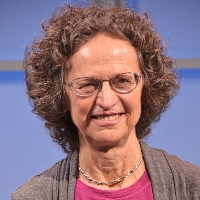 Clara Hill, PhD, is a professor in the Department of Psychology at the University of Maryland, where she has worked for more than four decades. Hill's major research interests are helping skills, psychotherapy process and outcome, training therapists, dream work, qualitative research and meaning in life and she has published over 220 journal articles, 65 book chapters and 14 books. She is an APA fellow who has served as president of the Society for Psychotherapy Research, editor of the
Journal of Counseling Psychology
, and co-editor of
Psychotherapy Research
. Awards include the Leona Tyler Award (Society of Counseling Psychology), the Distinguished Psychologist Award (Division 29 of the American Psychological Association), the Distinguished Research Career Award (Society for Psychotherapy Research) and the Outstanding Lifetime Achievement Award (Section on Counseling and Psychotherapy Process and Outcome Research, Society for Counseling Psychology).
Clara Hill, PhD, is a professor in the Department of Psychology at the University of Maryland, where she has worked for more than four decades. Hill's major research interests are helping skills, psychotherapy process and outcome, training therapists, dream work, qualitative research and meaning in life and she has published over 220 journal articles, 65 book chapters and 14 books. She is an APA fellow who has served as president of the Society for Psychotherapy Research, editor of the
Journal of Counseling Psychology
, and co-editor of
Psychotherapy Research
. Awards include the Leona Tyler Award (Society of Counseling Psychology), the Distinguished Psychologist Award (Division 29 of the American Psychological Association), the Distinguished Research Career Award (Society for Psychotherapy Research) and the Outstanding Lifetime Achievement Award (Section on Counseling and Psychotherapy Process and Outcome Research, Society for Counseling Psychology).