[music]
Kim Mills:
As we embark on the third month of living under COVID-19 lockdown, parents and their kids maybe getting on each other's nerves. If you're a parent working from home, you might be battling with your children and/or your spouse for computer access. As your youngsters are trying to finish their school year via remote learning, maybe you're feeling stressed that there will be no summer camp this year and certainly no big out-of-town vacation. And if you're an essential worker, the fear of getting infected or infecting your family members has to be a constant burden.
Are there any new tips or tricks for coping? What about sharing space with other families which is catching on in some areas? Is this advisable? How can you keep your family safe even as your children are seeing new stories about some Americans demanding to be "freed" from sheltering in place or wearing masks? Welcome to Speaking of Psychology, the flagship podcast of The American Psychological Association. I'm Kim Mills.
Our guest today is Dr. Earl Turner, a licensed clinical psychologist and assistant professor of psychology at Pepperdine University. Dr. Turner teaches courses on clinical psychology and multicultural issues. He is also an authority on child psychology and is president of the Society for Child and Family Policy and Practice, which is a division of the American Psychological Association. Thanks for joining us, Dr. Turner.
Dr. Turner:
Thank you for having me.
Kim:
Let's start by talking about the fatigue that families must be feeling after sheltering in place for more than two months. As you're out talking and writing about families and COVID-19, what are you hearing about new pressures that are building up in some households?
Dr. Turner:
Yes, that's a great question. I think one of the challenges is that everybody obviously is sheltered in place and so it makes it much more difficult for you to be able to find space to be alone and so I think that is a unique challenge that we are not accustomed to given the current situation. I think trying to figure out ways to make space for each other to be able to get a break is something that a lot of families are really struggling with right now.
Kim:
What advice do you have for parents who live in states or communities that are starting to open up? How can they protect themselves and their families but also convince their kids that practices such as sheltering in place, wearing masks in public, and staying six feet apart are not necessarily over?
Dr. Turner:
Yes, I think that's very important to make sure that you continue to talk with your kids about this is still uncertain times and that we don't know a lot about how this virus has been spread. Obviously, we don't have a vaccine or cure yet for it. I think talking to children about we have to try to expand our ability to get outside of the home but in a safe manner and so that includes making sure that we continue to maintain physical distancing, that we wear our masks, that we continue to wash our hands, that we use sanitizer and all of those things as a way to continue to protect us and also limit the possibility that we may get infected with the virus.
Kim:
Is there some way to communicate with kids about these things without getting them stressed?
Dr. Turner:
Yes, that's a great question. Obviously, we don't know much about the virus and how it spreads. I think it's important to make sure that you continue to communicate to kids about how necessary it is to maintain physical distancing even when you're out in public and that you'll also continue to wear your face coverings and that you also continue to engage in hand washing to limit the possibility that you may contract the virus.
Kim:
Some countries such as Canada and New Zealand have introduced something that they're calling the 'double bubble' where two families join together. This allows the kids to play face-to-face and maybe the parents divide teaching responsibilities and they all share meals and basically they're allowed to socialize more. Do you think this is a good idea? Are we ready for this?
Dr. Turner:
That's a hard question for me. I think on one level we know that personal connection and relationships are important. Obviously, doing that in person is much easier than virtual meetings. I understand the perspective of the benefits of that. My concern would be knowing how the virus is spreading and, both of those families, have they been tested, what possibility of them getting in contact with individuals who may have been infected and they don't know? I think that's a difficult conversation to be able to go along those guidelines without really understanding what impact it might have in terms of like potential exposure.
Kim:
So it may not be outweighed by the benefits of being able to socialize with more people?
Dr. Turner:
Right. I personally don't think that it's quite safe to move along those lines yet where we don't really know, because we know that people can be infected and not have symptoms, and so I would be concerned about that.
Kim:
The issues facing families where a parent is a first responder or frontline worker are quite different from families where parents are teleworkers. I've read some news stories about some parents who are spraying themselves all over with disinfectant before they go back into their house or they're living in separate quarters. How can parents manage the anxiety of children who are witnessing this behavior?
Dr. Turner:
For most kids, if you are really open with them about the reason behind engaging in these behaviors, it reduces some of their anxiety. I think for some parents, particularly those that you mentioned, they maybe essential workers and have to leave the home is that it maybe difficult to describe your reasoning behind that or you may decide not to have a lengthy conversation with kids about why you're doing that. I think to reduce their anxiety it's helpful to talk about why you're doing this, what the plan is for when you do return home so that you don't have kids rushing to you or maybe hug you when you walk in the door, so that way you can have an opportunity to disinfect and change clothes and those types of things. I think having a plan and creating some of that structure really is helpful to reduce some of the anxiety for kids.
Kim:
Children of all ages are picking up on the fact that many people are dying from this Coronavirus. How can parents manage their kids' fears as they are exposed to this daily drumbeat of a death count?
Dr. Turner:
For me as someone who talks with parents often about kids witnessing things that could potentially be traumatic is that you do want to limit the amount of exposure to watching these things in the media, or if it's an adolescent, having some monitoring of their access to social media where they maybe inadvertently exposed to some of this information is that that maybe one way to help with that. The other way is really if you are connected to someone who maybe dies from COVID-19, is that you talk with kids about their emotions and feelings around that.
Obviously, people experience grief differently, and so for kids it might be difficult to understand if they are having an emotional reaction to that loss. I think talking with them might be one way to, at least, explore and understand what emotions they maybe having related to some of those situations.
Kim:
A moment ago you talked about the possibility that a family might have experienced a death and about talking to children about it. Is there danger if you try to suppress that, if you keep it a secret from a child that maybe grandma died?
Dr. Turner:
Yes. One of the big difficulties about grief is that families sometimes struggle about how much information should they give a child around a death of a loved one. I think it's helpful to talk about that grief but also celebrate the life of that person, and I think that can be one way to make sure that they have a healthy grieving process. It's important to have some conversations around it.
Kim:
A recently published study out of China found that children confined at home by the lockdown have elevated rates of depression and anxiety, which is raising concerns about the risk for American kids as the pandemic sweeps our nation. I'm just wondering what are the signs of depression and anxiety in children that parents should be looking for?
Dr. Turner:
That's a great question. Obviously, we will have to continue to collect some data on outcomes associated with children that maybe isolated due to stay-at-home orders during the pandemic. In terms of the anxiety, if kids begin to become more clingy, so constantly wanting to be around parents and not having them out of sight, that might be something that might be a warning sign about additional concerns. Obviously, if they were having difficulties sleeping, whether that's falling asleep at night or maintaining their sleep throughout the night, that might be also an additional concern around anxiety because what happens is that because they're worried their brain is constantly thinking about those things and so it's hard to turn that off. So because of that they may have challenges with sleeping.
Then in terms of the depression aspect, I think children may begin to talk about things of death or dying or being hopeless about things never getting better. If you notice some of those signs, it maybe important to reach out to a mental health professional.
Kim:
Does it help in any way for parents to try to make games out of some of what's going on?
Dr. Turner:
I think it's important to keep them entertained. I'm not sure exactly how beneficial it might be to make a game about Coronavirus specifically or COVID-19, but I think in terms of helping them navigate this stressful period, that might be helpful. Part of the activity maybe around identifying things around steps to keep yourself safe and that might be helpful as a strategy to increase safety planning.
Kim:
I guess I was thinking more about singing while you wash your hands or just any a ritual that you might have around getting your masks on or something silly like that.
Dr. Turner:
No, no, I think that's great, especially for younger kids, because it helps them remember steps and things like that. Obviously, with the handwashing, for example, we've talked about this little length of time that is appropriate to wash your hands. If the song fits that time frame, then that also helps get the kids engaged in that activity. I do think that is a great way to help them to maintain some of those things to help them be safe.
Kim:
I know you do a lot of work looking at multicultural families. Could you talk a little bit about how the COVID-19 pandemic is affecting them specifically? What are the challenges that they face?
Dr. Turner:
I think one of the challenges that maybe is not talked about as much in the media is about multigenerational families. If you have families that include grandparents, aunts, uncles, cousins, et cetera, that maybe at the same home, that makes it much more difficult when we think about some of the guidelines around physical distancing and things like that.
Obviously, if people may have to leave the home for work, et cetera, then those maybe additional challenges because it may make it much more difficult to maintain some of those things in terms of exposure that people may have been in contact with. I think that's a definitely a concern that maybe an issue for those families. Obviously, when we talk about older adults who may also be at a much higher risk if you have those individuals in the home, that could potentially increase some anxiety for kids for fear about their grandmother or grandfather being impacted by COVID-19.
Kim:
We talked a moment ago about maybe limiting some of the screen time that kids get right now, particularly watching the news media. I know there's research-based advice suggesting that parents should do what they call in psychology 'scaffolding' their children's screen use by watching TV and playing online games with them to help them understand what they're seeing on screen. Can you explain a little more about how that works?
Dr. Turner:
Yes, I think that's really helpful. One of the things about the screen time aspect of it is that there is some physical aspects to it in terms of how it could put additional strain on the body and so that might be of a concern. Then I also think about now some of the limitations around physical activity. For kids that may not be as active and then they're constantly in front of a screen, then that might lead to some others health concerns as well. I think using the process where you are using different types of screens and limited access, that might be really helpful in terms of kids, and making sure that they are engaged, and if it's learning activities that they maybe involved in, that there's a mix of those, in addition to some things that maybe more enjoyable like games that they're playing as well.
Kim:
If a parent decides that their child is having issues that the parent, him or herself, can't handle, how should they go about getting help?
Dr. Turner:
There are a number of ways that parents can get help right now. One, many organizations or psychological associations maybe offering some either reduced fee services to families or they maybe providing no-cost services to families as well. I think one step might be to look at your state psychological association on their website to see if they are offering anything services to families.
If you have health insurance that covers mental health services, obviously you can reach out to your insurance provider to look into what access is available to you that's in your network. So that's another possibility. Then I think there are resources from different organizations like APA that offer some quick guides about how to manage certain strategies in terms of anxiety and depression and some behavioral challenges as well. I think those resources from well-known reputable websites might also be helpful in the short term.
Kim:
For parents of older kids who are missing out on big milestones like graduation and prom, what are some things that parents can do to help them work their way through this? This as always seems like a huge thing when you're 17. I know that it's not in the scheme of life, but when you're 17, it is the biggest thing.
Dr. Turner:
I think those milestones oftentimes set the stage for major transitions in life. When we are in this pandemic and those milestones can't be celebrated, it can definitely be devastating to teenagers specifically. I think trying to do whatever you can at home to be able to celebrate that achievement for them is really helpful. That's one aspect.
Then I think trying to get their perspective and opinion as well about how they would like to maybe make the best out of the situation. What would be helpful for them I think is another important aspect of it so that it's not just about you as a parent thinking what's most important for them to celebrate this milestone, but how would they like to celebrate it. I think that is also a very helpful aspect of that.
I know that I've seen on social media as well as television where some schools are doing a drive-by graduation celebration so that the teachers and the principals will get in their cars and drive through the neighborhood for the kids. I think that's really beneficial, and at least one way to be able to promote that achievement for them.
Kim:
What do you think will happen when shelter-in-place orders do really end around the country? Do you think that COVID-19 is going to lead to some permanent changes in our families?
Dr. Turner:
I think so. We've talked about this idea about is this the new normal, for example, or are things going to get back to where they were before COVID-19, and I think that it's going to change the way that we live, at least for a couple of years, [laughs] if not forever. Obviously, because we don't have a cure or vaccine for the virus that we're going to have to continue to maintain some level of physical distancing for a while even though we are not still sheltered-in-place.
We're also going to have to make sure that we continue to do things in terms of how we engage from a school environment. I was watching something recently about school districts trying to make decisions around what school is going to look like when summer is over. I think that is probably going to change for most children and that they may not-- maybe the class sizes maybe much smaller. Maybe there are shorter days in the school week. So that's going to impact parents. What happens with their workdays? Are they going to have enough flexibility to be able to be at home if their child's school day is cut short? I think there are going to be a lot of challenges that we're going to have to continue to navigate and figure out.
Kim:
Yes, these are really confusing times.
Dr. Turner:
Yes.
Kim:
Some people are warning that we may experience a mental health pandemic as a result of the Coronavirus pandemic. At a minimum we should probably expect to see an increase in post-traumatic stress disorder, especially among those frontline workers and the first responders, and also people who've lost their jobs. How can psychology help mitigate these impacts?
Dr. Turner:
A lot of conversations have been around psychological first aid for a couple of years, so I think that's one way that psychology can be helpful to at least reduce the risk that maybe associated with mental health challenges post.
Kim:
Can you explain what that means, psychological first aid?
Dr. Turner:
Yes. Psychological first aid is a concept that I believe originally developed around a response to national disasters and what can we do to help those people cope with those situations, such as maybe hurricanes or things like that. When we apply that to situations such as the pandemic, it's really providing resources about what are some ways to, one, recognize signs of increased psychological distress or anxiety or depression. Then what are some strategies or tips about how to cope with those situations in the moment. So applying psychological first aid to COVID-19 and the pandemic is that we really do need to be mindful about getting out resources to people now about what are some early warning signs of your body letting you know that something needs to happen and be different.
I think from the anxiety perspective, we need to recognize that if we start to feel muscle tension, if you start to feel like we're having breathing difficulties in a situation because we are stressed and worried, that that maybe warning signs that, "Okay, you need to take a break now." Take a break from having too many Zoom meetings back to back or take a break from- for a child being able to sit in and maybe do some academic work, and then give yourself some time to calm down and recenter yourself. I think those are some strategies that might be helpful to mitigate the risk of mental health challenges post dealing with some of the restrictions around COVID-19
Kim:
Are you feeling anything hopeful or positive coming out of this whole situation?
Dr. Turner:
One of the things that has been discussed recently about how COVID-19 is really changing everyone is that despite the challenges and difficulties that we are dealing with right now people are still being able to be fairly productive and life has been able to continue on some levels. This has shown us as a society that there have been a lot of things in terms of a typical 40 hour work week that we're not necessarily doing right now and people are still being able to be productive.
Some conversations that I saw recently on the news around some organizations, maybe allowing their employees to decide if they want to continue to work virtually as opposed return to the office once the restrictions are lifted. In that sense, it has shown us that we can be resilient as individuals and as a society despite the challenges associated with COVID-19.
Kim:
Thank you for joining us, Dr. Turner. I think those insights were very helpful. I hope our listeners appreciate your thoughts.
Dr. Turner:
Thank you for having me.
Kim:
The American Psychological Association has many resources and tip sheets available on our website for helping navigating the pandemic, including special resources for families and caregivers. Visit us at apa.org. You can also find previous episodes of Speaking of Psychology on our website at
speakingofpsychology.org
, and you can subscribe to our podcast on Apple, Stitcher, or wherever you get your podcasts. While you're there, please give us a rating. If you have comments or ideas for future podcasts, email us at
speakingofpsychology@apa.org
. That's 'speaking of psychology', all one-word @apa.org. Thank you for listening to the American Psychological Association. I'm Kim Mills.
[music]
[00:24:55] [END OF AUDIO]


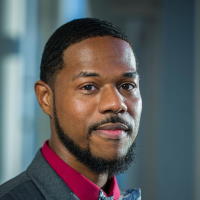 Erlanger ‘Earl’ Turner, PhD, is a licensed psychologist and university professor in Los Angeles. He is often referred to by his patients as "Doctor Earl". As a media psychologist, Turner writes a blog "The Race to Good Health" and often contributes as a mental health media expert for outlets such as Oprah magazine,
The Washington Post
, Bustle and NBC News. Turner is also the host of "The Breakdown with Dr. Earl" — a mental health podcast. Most recently, he was elected as the 2020 president of the Society for Child and Family Policy and Practice (APA Div. 37) and is the first African American male to be elected to this position.