Kaitlin Luna: Hello, and welcome to Speaking of Psychology, a biweekly podcast from the American Psychological Association that explores the connections between Psychological Science and everyday life. I'm your host, Kaitlin Luna. Have you ever met a person who experienced a tragedy, losing their home in a hurricane and during the death of a child, having a severe illness and yet they seemed happy, content even, truly content and not in a way that suggested that they were burying their feelings or minimizing their pain? Experiencing positive transformation after trauma is known as post traumatic growth.
Though the concept is not new, it's been found in literature, philosophy and religion in almost all cultures throughout the ages. The academic theory was developed by psychologists Dr. Richard Tedeschi and Dr. Lawrence Calhoun in the mid-1990s. People who experienced post traumatic growth may develop a new appreciation of life, newfound personal strength, seeing improvement in their relationships, see new possibilities in life and undergo spiritual changes. Why do some people experience such profound positive changes after enduring something terrible and others don't?
Here to help explain post traumatic growth is Dr. Tedeschi, professor emeritus at the University of North Carolina at Charlotte. He's a faculty member at the university's Post Traumatic Growth Research Group and he's the distinguished chair at the Boulder Crest Institute for post traumatic growth. A nonprofit organization focused on military members, veterans and their families. Welcome, Dr. Tedeschi.
Dr. Richard Tedeschi: Glad to be here. Good to be talking to you.
Luna: Same here. The website for the Post Traumatic Growth Research group explains explicitly that just because a person experiences post traumatic growth it doesn't mean they won't suffer or experience pain or other negative emotions. Can you elaborate on the importance of allowing yourself to feel those negative emotions that accompany experiencing a tragedy?
Tedeschi: Post traumatic growth starts with, of course, something that's very aversive for people and generally not something that people are trying to invite into their lives. It's important to acknowledge that as if we're trying to move towards eventual post traumatic growth, we have to recognize that these events have really challenged the way we think about our lives and our anticipations of what's going to be happening in our lives. That initial phase of looking at what's happened and how it's distressed and disturbed our lives is important part of the change that comes in the future. That's part of the answer in terms of why it's important for post traumatic growth.
Of course, trauma researchers and clinicians for many years have acknowledged that facing up to things rather than avoiding them is almost always the way to some kind of healing in the future. When we avoid facing up to the things that have hurt us, we're probably just delaying a process where we're going to have to do it down the road anyway in some other form.
Luna: I imagine it's very difficult when you're dealing with a traumatic situation to go through that grief and those really difficult emotions. For some people, it might be a natural process, others it might not be natural, they may seek refuge in hiding their feelings and other coping mechanisms that may not be helpful. What do you advise people as they go through a tragedy? What are the first steps they should be going through as they go through something awful?
Tedeschi: Well, as I was just saying, of course, the initial reactions and perhaps, even pretty far down the road in the aftermath of tragedy are pretty unpleasant and people want to avoid unpleasant things. One of the things that people need to do is figure out how to take a dose of this misery, approach it and face up to it, but also at times, find some relief from it temporarily to gather themselves if they can. In order to do that, one of the things that helps most people is to find other people who can be supportive of them and help guide them through this.
Distract them at times, do things for them at times if they're feeling like they can't manage certain parts of their lives in the aftermath of what's happened. Looking around and trying to find other people who they can count on is an important step early on in the process and recognizing that you have to alternate between facing what has happened and gaining some temporary relief from the misery of it as well.
Luna: Can you oscillate between the negative emotions associated with the trauma and the positive emotions associated with post traumatic growth?
Tedeschi: Eventually, although that doesn't happen usually right away down the road where people start to notice that there has been something of value in this experience. They can certainly oscillate back and forth between those two things but early on, people, whatever they're going through, whether it's a diagnosis of cancer, a natural disaster where they've lost a lot, a bereavement experience, combat trauma, whatever it might be, they're mostly trying to survive it. They're usually not in the immediate aftermath thinking of growth at all.
They're thinking of how to cope with their difficult emotions and what they've lost and how they're hurting. The first thing on their agenda is survival, not growth in the early stages of this. Down the road somewhere in reflection, they might notice that some new developments have occurred in their lives that they value. That doesn't mean that it wipes out all of what's been difficult and miserable about their experience, but it can make all that misery something that has had some purpose or value, it's not in vain.
Luna: Is it possible to regress from posttraumatic growth?
Tedeschi: Well, in our research we've seen that there are different trajectories of growth. There are different ways that we see people proceed from initial trauma across months and years through to growth. Not everybody experiences posttraumatic growth. Some people who seem to report it early on moderate it later on or seem to have some detriment later on. It's an interesting thing that we see these differences among people.
One of the things that you have to look at is the particulars of a person's life and what's happening in some people who-- and it's not a large number but in the people, who initially report growth and then later on less so, the interesting question is, why is that happening? What happened to them? What might've changed that? You have to look at individuals lives in order to try to get at that.
It could be other traumatic experiences have occurred, could be that they've lost support. You have to look at what might be the particular factors for people that might result in growth first being a parent and then not so much later on. Some people have also said that if you look at how people report posttraumatic growth, some people might initially have rushed into it in certain ways without really processing their trauma effectively enough and therefore later on, they're going to have to do some reprocessing of this and that's what you're getting later when they're still running into some difficulties.
It's a varied series of trajectories that you can see in people and there are a lot of individual differences in how this experience of growth occurs.
Luna: You've mentioned that posttraumatic growth is not universal, and it doesn't happen for everyone. What kind of person is most likely to experience post traumatic growth? Are there personality traits that factor in?
Tedeschi: Well, we have found that there is some personality traits that are correlated with post traumatic growth. For example, if you look at the so called, big five personality traits, one called openness to experience seems to be correlated with growth and that's the person who invites novelty, is curious about things, eager to try new things. Of course, we could think about traumatic events as novel experiences or new things in a person's life unfortunate as they are but people who are open to experience might be better able to do something with that.
Another trait that seems to be connected with posttraumatic growth is extroversion. There are two aspects of extroversion that seem to be perhaps, most directly related to post traumatic growth. One is activity level. People with extroversion are higher in activity and therefore, they're more likely to try to do something or take action in the aftermath of trauma, which can be a healing thing. The second is seeking social support or seeking out other people, being comfortable being around other people, which is of course, another thing that we found makes positive difference and encourages the posttraumatic growth process.
Luna: I want to take a deeper dive into those five areas of posttraumatic growth that I listed in the intro. Can you describe them in greater detail?
Tedeschi: These five areas of posttraumatic growth are empirically defined. We did some factor analytic studies, which means that we took large groups of people who reported growth and looked at the combination of statements that they made about growth. Through some statistical analysis, we were able to group these or cluster these statements. They created these five different categories that we named. We didn't have preconceived notions about what these areas of growth would be until we really paid close attention to what people were telling us and subjected to some analysis.
For example, one thing that people may report in the aftermath of trauma is that, getting through the whole experience, they discovered they were stronger than they thought they were. A sense that if I can get through this, I can get through anything. We labeled this, personal strength. One of the things that people can appreciate about themselves is that they have coped well, that they have survived all this, that they recognize that they have more capability than they realized about themselves before they were challenged in this way.
That may be one way people described their growth experience. There are different constellations of reports of growth so that some people only report one type of growth. Other people report all these five, some people report some of them. It varies a lot but not everybody is reporting all these five areas. A second area that people talk about is how they're relating to others in a more positive way. For example, they may be more compassionate towards others, more open in their emotional expressions. These changes in relationships may come out of the experience of receiving social support and compassion from other people.
It may also come out of recognizing how hard life can be in the aftermath of some adversity and being a little bit more forgiving and compassionate for other people who have gone through a tough times themselves, maybe not being so judgmental. Going through trauma is a lesson in what it means to be human. This shows up in people treating their relationships with others with more care. Third area that we have described is something we call new possibilities. That means that people uncover new pathways in their lives or new things that they can do or new priorities.
What happens with some people in the aftermath of trauma is, things that they thought were important no longer seem important to them or things that they were able to do before, they're no longer able to do. Certain possibilities are shut down for them and they have to explore other ways of living their lives. This was especially true of, for example, people that we had studied early on who had suffered some physical disability in adulthood, they'd become paralyzed or blinded. It made them have to rethink how they were living and what they could do.
In the process, they struck out onto new paths and new interests and new capabilities that they may not have entertained before. These new possibilities sometimes emerge in people's lives. Another area that people reported to us is something that we call depreciation of life. You get this when people are saying things, for example, I came close to death and now I have a second chance.
I'm living on borrowed time and this is my new life that I easily could not have had. I really appreciate the fact that I've got this opportunity. That might be one way. Another way people express this is by saying that they might've taken things for granted before and now they're more appreciative of what they have in their lives and don't just gloss over things anymore. Then the final area that we've looked at that people have reported to us is what we've called, spiritual and existential growth. Sometimes this comes out as a deepened investment in religious life. Other times it can be a change in people's perspective on what they consider to be the spiritual world.
Other times it could be an enhanced ability or interest in grappling with existential questions like the meaning of life, the purpose of life, the degree to which all people are bound together, what are the universal themes in living a human life and being human? Philosophical questions almost, but these questions have become actually practically significant because of the trauma that people have faced. Now they've naturally started rethinking what's the point of living? What I'm I supposed to be doing with my time here on earth? Asking those kinds of questions and trying to get a hand on how to live well and wisely.
Those are generally the five areas that people report changes in, and as I said before, any individual might fall in post-traumatic growth in a way that's different from another individual because they're emphasizing one or more of these different areas.
Luna: I understand that the spiritual change component of all that has been or is being expanded to be more inclusive of people who are not religious in a traditional sense, is that true?
Tedeschi: That's right. We developed a measure of post-traumatic growth back in the mid-'90s, called the post-traumatic growth inventory, and at that time, among the different items on this, the questions on the scale, there are really only two that had to do with this spiritual change factor and they were pretty directly related to-- I mean one was specifically related to religion and what we found in the intervening years is that, especially in certain groups and in certain cultures and countries, people didn't really respond to that very much, maybe because it was more secular kind of culture.
We did some more research and then they-- this is about three years ago now, we added four more items to that scale to reflect these more existential kinds of questions that I mentioned a few minutes ago, questions about meaning of life and death, meaning of the degree to which you are related to humanity and there's a sense of connection among other human beings, these more existential questions that seem to dovetail with things that are spiritual and religious as well. They hold together into a group that we now call spiritual and existential change.
Luna: Okay. Do you find that people who are religious experience post-traumatic growth more often than those who are not?
Tedeschi: There is evidence that that is the case, yes, and it may be that people who are religious might be more tuned in to some of these existential questions than many people who are not religious.
Luna: Okay, and are there certain types of trauma that people experience that may make them more likely to experience post traumatic growth, could be natural disasters, the loss of a significant person in their life or a serious illness?
Tedeschi: We've looked at post traumatic growth in relation to all kinds of different traumatic experiences and what we've been struck by is that the process of growth seems to be very similar no matter what the initial traumatic experience that is the impetus for growth maybe. The other thing about that I think it's quite interesting is, what is traumatic is really in the eye of the holder. In psychology and psychiatry for many years, we've had the Diagnostic and Statistical Manual which has defined what traumatic events are as a part of the definition of post-traumatic stress disorder.
We don't look at trauma the same way because we have found that many events that may not show up as official DSM traumas have the same effect in terms of producing post-traumatic growth because, with the common element is among all these events is if they shake the person's core belief system, if they challenge what people believe about who they are, what their future will hold, what kind of world they live in, the degree to which they have control over events, core beliefs like this that generally go and question, if these things are challenged. We typically see down the road posttraumatic growth developing because people are grappling with those questions and reforming their belief system and so, no matter what the event might be that starts this process off.
What's important is not the trauma itself, the trauma does not produce growth. It's what happens in the aftermath of trauma and what people are doing in response to the trauma. We've not really focused so much on the particulars of the trauma as what happens once that trauma has occurred and what other events around people and how people are processing that trauma, thinking about it and reaching conclusions about how to live now that they're in this, what they often call ,the new normal.
Luna: The reason I was thinking about all this is because when I was doing research for this topic, I noticed a lot of studies were on people who experienced natural disasters and I was just curious of and why that group might be studied so much. As I've been thinking about it, I'm wondering, and we really want your take on this. Could that be because a natural disaster affects a broad swath of people at the same time and it's a group that can be studied? It's maybe easier to find a group of people who are impacted by a natural disaster. Is that the case?
Tedeschi: I think you've got it right there. Researchers just like the rest of us, are constrained by time and cost and if there's a natural disaster, it's a natural experiment that has happened. You can go right where the disaster has occurred and like you say, you've got hundreds or thousands of people are all affected by the same experience in a general sense. You've got a ready-made study group. I think that's a big reason why this is often studied. The other thing of course is that, there is a lot of then similarity among the people that you're studying in terms of their experience.
Of course, there's some differences in how much people have lost or how they've been hurt or whatever but there's a lot of similarity then, so you're controlling for what the trauma itself is. When you have that control or similarity, then you can trust your results a little bit more easily. Whereas if you look at other kinds of traumatic events, it may be harder to find people, harder to get people to cooperate with your study. For example, if you want to study rape survivors, that presents different kinds of challenges in order to locate those people and get them cooperating and reporting on their stories and whatnot. I think it's a lot about logistics.
Luna: Right? Like you said, it's like if people are in one geographic area and people even though they're in a geographic area, there's probably a lot of different, obviously, different types of people in one location. It's an easier group to study in some capacities. Also, I've been thinking a lot about this in terms of severe or terminal illnesses. Like you just mentioned before that it's not the trauma necessarily, it's how people will do with it. I'm just curious about how post traumatic growth plays in with severe or terminal illness and how being faced with impending death might change someone's mindset.
I was thinking about as I was developing the questions, I was thinking about a neighbor of mine who passed away about 10 years ago, but he had terminal brain cancer and though he was always a positive and a good person to be around, I noticed he just seemed to be so much more, I guess, relishing life more is the term that comes to mind. Just seemed like he was really enjoying what time he had. It wasn't very long, maybe a few years, but whenever I would see him, he would just be very positive and upbeat, and I don't know exactly the difficult things he faced.
I didn't live at home at the time, but I was very struck by his attitude and how he was to me, seemed like he was really trying to make the most of what time he had left here. Can you speak to how a terminal or severe illness might affect someone's mindset with post-traumatic growth?
Tedeschi: Well, of course, as I mentioned before, there are a lot of individual differences in how people respond to these events. One person might respond to the diagnosis of a terminal illness with depression, a lot of anxiety, it can be quite difficult. Another person might respond more like your neighbor did or there may be a combination of those elements. This is where maybe in your neighbor as you are describing him, you're starting to see this aspect of appreciation of life. Maybe he was thinking, “I only have a certain amount of time left. I'm not sure exactly how much but I'm going to make the most of it. Not be morose about it.
Not waste my time being depressed about things but try to savor everything I have.” It might have been that way of thinking about it that we call appreciation of life. That's what you were seeing there and so, yes, people who have diagnosis of serious illnesses that place their lives in jeopardy or get a diagnosis which indicates they only have a short period of time to live may respond this way. Of course, that's not again, universal, but we do see that and there are reports of near-death experiences that people have where they have essentially died and have been resuscitated.
Where again, you get these reports of people being so grateful that they have a second chance at life, or they have some kind of what they see as a revelation about how to live life well because they've come so close to losing it. This is perhaps, one of the hallmarks of that particular trauma where you get people who are close to death or have escaped death. Then they think about life in a different way and see it as more precious.
Luna: Is post-traumatic growth something that you can-- is it something you can come to on your own or is it something you need to be steered towards? Is it a little bit of both?
Tedeschi: It's both. It's something that seems to come easier to some people than others like we were talking about before. Maybe it has something to do with their pre-existing personality. Maybe it has something to do with the cultural themes that you have been exposed to. The stories you've heard, who you've seen around you, other people that have been models or examples of how to respond to trauma and one of these positive ways it can be all-- it might set people up for more or less post-traumatic growth and certainly, as I mentioned at the outset too, the support you get from people as you're going through this can make a big difference.
We think that one part of this experience that seems to be important is to be able to talk it through. To be able to tell the story. To create the narrative that's emerging out of this experience where life is perhaps, divided into a before and after these events and be able to talk it through or figure out what's going on here. What changes are happening in me and what I'm I going to do with all this? Having someone to disclose to about these things, a good listener. What my colleague Lawrence and I-- Lawrence Calhoun and I have called the expert companions in these situations. This can make a big difference for many people.
Luna: Just one more question I had about personalities as we were touching on this throughout our conversation. How does resiliency play into all this? Are resilient people more likely to experience post-traumatic growth?
Tedeschi: Well, resilience and post-traumatic growth are two different things. People who are resilient are relatively unaffected by events that are difficult. That's the definition of resilience. They're resistance to adversity or they bounce back quickly from adversity. Post-traumatic growth is something that happens after adversity has had a major effect on people so much that it challenges the core belief system. The basic and fundamental things that people really believe about themselves and their lives. That way, they're very different.
So, the people who can, however, manage their emotional distress well enough so they can think through this have that type of what we might call resiliency. That is, capability of managing their emotions in the aftermath of this can go through the thought processes that are involved in moving them towards growth and eventually, people who experience post-traumatic growth should be more resilient to the future to other traumatic events that happen.
Post-traumatic growth may be a pathway to resilience in some way where people who go through this process learn better how to manage life and manage the things that are going to be happening to them in the future with a more resilient approach so we can see post-traumatic growth as leading to resilience eventually.
Luna: I want to turn now to talking about how you developed this theory with Dr. Calhoun. I read a Wall Street Journal article that said you pioneered this research while you were speaking with widows for a project. In your research, you found that widows became closer to their children and more independent in the aftermath of the death of their spouses. Can you talk about your findings and how that led you to developing this important theory?
Tedeschi: Well, we had been working in a number of different ways. We had first thought about researching wisdom. That's what we were first interested in. This was back in the late 80s, and there wasn't much psychological literature on wisdom. We started doing interviews with people who we thought might have some wisdom. The first group that we chose were people who had suffered physical disabilities in adulthood and had done particularly well. We just talked to people in our region who were able to find to were remarkable examples of having gone through some terrible illnesses and accidents and doing very well.
That was one group. Another group were widows that you mentioned. We looked especially at older widows, people in their generally their 70s and 80s because we just made the common assumption that people are older or wiser. Again, tried to go out for wisdom and we talked to those people. Then at the time, I had been starting to work with bereaved parents in a nonprofit here in Charlotte. I'd been doing work for a couple of years at that point running support groups of bereaved parents, which I ended up doing for about 25 years.
Just listening to the stories of these parents and being with them sometimes over a period of some years in these groups and seeing how they changed and how they talked about their experience. All these things led us into this area of post-traumatic growth because we kept hearing these themes, these stories that people would say things like, "I'm stronger than I thought I was," or, "Something good has come out of this," or "I see things differently than I ever did before." Or, "My relationships with people are better." People would report these things and we took all these quotes that we had from our research studies and whatnot. Those quotations from people became items on our quantitative measure that we have used in our research since.
Luna: Yes, that's really fascinating. I love the idea of starting out talking about wisdom and how it led you to this. That's a great trajectory to post-traumatic growth.
Tedeschi: Yes, there a lot of connections of course, between post-traumatic growth and wisdom. Wisdom is a hard thing to measure, to define. In fact, what exactly is that and what does it look like. People have been looking more at wisdom since the time that we started out. We've focused not only on the outcomes of that we call post-traumatic growth, but the process, how people get there, what they go through that creates these changes and both those things are fascinating to us. The process in particular, because you mentioned earlier you asked about, is it something natural or you need help in getting there?
From pretty early on in this work, we started considering, how do we facilitate this process? How do we help people who are in the aftermath of trauma see that there's more to it than their misery and their loss? I think that learning from survivors of trauma, the ways that they have created for themselves and that have helped them move towards growth has helped us to define some ways to feed back to our other trauma survivors.
Here's how you might handle this. Here's what you might do. Here's how you might want to think through this. Here are the people you want to be around, giving people some ideas that can move them from just mere survival to something that makes this whole experience a valuable one even if the experience itself was not something that they would want to repeat.
Luna: So, what purpose do you think post-traumatic growth might serve on us as humans? Is it may be making sense of a chaotic and unfair world or is it something deeper?
Tedeschi: Well, I think that and I'm not sure if this has been designed by evolution or God but I can say that one of the most important outcomes of posttraumatic growth that serves not only the individual but the species I guess we could say is the service that sometimes comes out of this growth experience which is a benefit to other people in the family, in the community, even in the nation. Lessons are learned and are distributed beyond the trauma survivor. For example, one of the things that I've been doing lately is work with veterans retreat center called Boulder crest retreat.
We've developed a program based on posttraumatic growth for combat veterans. The last thing that we do in our retreats is, we help people start to define what their next mission will be. Veterans of course, understand the concept of mission because it's a military word. It's a mission of service. Who are they going to be in their communities as people who have learned some hard lessons about life and death and can be a positive force in their community as a result of the hard lessons that they have learned. Posttraumatic growth can lead people on these missions because, they understand something about living life and the value of it.
Living life well and the importance of it and act as maybe our social conscience, our coaches and encouragers, people who have something to impart to maybe the rest of us who have not seen what they have seen. We think about that program at Boulder crest, what we call our warrior path program as a way to eventually have a social impact beyond just healing these warriors from PTSD but helping them find a new purpose and being of service in a way that impacts people beyond themselves. Ultimately, I see post traumatic growth as having that effect on people.
For example, going back to your neighbor that had the terminal illness, it might be that his way of interacting with you is example of how he was living life may have had some degree of influence on how you think and what you do. You obviously remember him, and you remember him in a way which shows that you consider his way of living as being an inspiration to you in some sense of the word perhaps. Maybe had some impact on how you go about your life as well. People who are trauma survivors can serve that function for us.
Luna: Yes, absolutely. That's a really beautiful way of putting it. Like you said, it's something I remember very vividly, and I hope to keep that with me as I go through life and think about, "Okay, he really seemed like he was taking advantage of the time he had." I do try to remember that. I want to ask question about your work with Boulder Crest and a recent book you coauthored about posttraumatic growth among members of the military.
As you know I'm sure many of our listeners know that the lens in which military veterans are looked at is often in the post-traumatic stress disorder lens. The chapter talked about how only in a recent decade some of the focus has shifted to post traumatic growth. Can you talk about that chapter you wrote and how that applies to your work with Boulder Crest?
Tedeschi: Well, I've done a lot of my work at Boulder Crest with Brett Moore, who is a psychologist in San Antonio, who was an army psychologist and was deployed in Afghanistan and is now at Brooke army medical center in their resilience program there. Brett and I have been trying to describe military veterans in another light than the light in which they often been seen. The assumption that many people have about veterans is that they come back from combat, if not physically disabled, emotionally disabled by their combat experiences, traumatized in terrible ways. They're often by the mental health professionals, labeled with post-traumatic stress disorder, note the term disorder. What we have emphasized is that these are human beings who are not disordered, that they have responded to terrible events in a human way. It's not what's wrong with them, it's what's happened to them. So, we are trying to take that term disorder out of the equation and focus instead on what these people have learned from their experience and how it's changed them into people who have to face up to the fundamental existential questions of life and death.
If we can help them process that, they're going to be some of the wiser people among us perhaps instead of people who have to just be medicated and put on disability or something of that sort. They can be of great use and purpose and our civilian world having come through what they've come through, that we can repurpose their military training and experience for important missions in civilian life. That's a post-traumatic growth lens that we're lying in these situations that out of the traumatic events can come positive and valuable changes.
Again, we have to sometimes find ways to encourage those changes and to help people see things through this lens. We find it very poignant when we introduce to these combat veterans in our programs that basic concept of, you are not broken and it's not what's wrong with you, it's what happened to you. The light bulb started going off for these people know because they've been labeled and thought of and in a very different way and we remind them that they are people who have futures that are of value. We need to help them find a way towards that future and those values. This is the basis for the program at Boulder Crest, this post-traumatic grow philosophy.
We find that people that respond to it very positively. Many people say to us, "No one's ever talked to us about this before, they've just talked to us about our symptoms. They've never talked to us about anything else. Why haven't anybody mentioned this to us before?" We say, "Well, it's because this has been the philosophy and the lens through which mental health has been practicing for a long time." A medical model that people are coming in sick and we have to cure them, but we're approaching this from a different perspective of core belief challenge that can lead people in a process of discovery.
Luna: I think that's a really important way you just framed everything; it's really shifted the way I've been looking at it too. Like you said, if you're looking at the disorder, the word itself, what does that mean? How does it apply to people and how that's just part of our vernacular. That's how we often approach military veterans is that, you're dealing with someone who, like you said, that someone's broken as opposed to someone who is dealing with a very difficult traumatic situation in some circumstances in a very human way. I think that the way you're framing it at the Boulder Crest Institute is really tremendous.
I think that that will have a big impact on how we as a country and beyond that look at people who go out and go into combat, whether they're still in service or whether they're a veteran.
Tedeschi: I'm not a military person, I've never served in the military, but being involved with this population and seeing how they respond to a program based on these principles has been a remarkable thing for me. Has validated a lot of the research work that we've done over some decades to see how this starts to really work when it's the basis of a program like this. It's greatly satisfying, and it applies to all kinds of trauma survivors and work that I've done in my own clinical practice. I've seen how this approach and this perspective can really encourage people to look at their experience and their futures in a much more optimistic way and ultimately, realistic way.
We're trying to get the word out and I'm glad that you're doing this podcast with me so that other people can hear about it.
Luna: Are there parallels to research about police officers? I did find a little bit of research about how again, this population has been looked at, focused under the lens of Posttraumatic stress. What do you think about Posttraumatic growth for this particular population and other first responders who deal with traumatic situations on the job?
Tedeschi: Police officers, firefighters, EMTs. My clinical work, I've worked with all those groups and at Boulder Crest, we also include first responders in our programs. There's a lot of similarity between what happens in combat and what happens with a lot of first responders in terms of what they see and how trauma is unfortunately, natural and fairly common aspect of their job performance.
A lot of this applies to that group as well. As well as other people like physicians for example or attorneys. There are just a lot of groups of people who-- even teachers, social workers, psychologists, we've done studies of psychologists and clergy. There are people who are exposed to trauma all the time. Trauma is a common experience in the whole population of human beings. One way or the other, we're going to be affected.
Luna: It's very fascinating when you talk about all the different groups of people who-- work with people who have been through traumatic situations. Is that what's known as vicarious trauma. If you are-- it's not happening to you directly, but you are a witness to it.
Tedeschi: What we've researched what we call vicarious Posttraumatic growth.
Luna: Interesting, can you talk about that a bit?
Tedeschi: Being around trauma survivors and helping trauma survivors, some of it rubs off on you we could say. You learn some lessons by helping other people. I feel like that's happened with me in helping trauma survivors during my career. I feel like it's changed some of my perspective and ways of understanding people and living human life, living my own life. If you listen carefully and you're close, some of these things you see, and you hear can help you start to rethink some of your own perspectives on these areas of Posttraumatic growth that I mentioned.
Luna: That's really fascinating. One last question as we wrap up today. For our listeners who may be dealing with the aftermath of a tragedy or have someone in their life who's going through such a thing, what might they be able to do to increase the likelihood that they would experience the positive changes associated with Post traumatic growth?
Tedeschi: Well, one thing is, make sure that they don't numb or avoid their emotional life in the aftermath of what's happened. Emotions are important sources of information about how these events are affecting us and we need to invite some of that emotional reaction rather than numb it. If your primary care physician wants to give you medication which makes you feel numbed out and zombie-like, it's probably not going to be helpful in the long run for Posttraumatic growth although it might feel good initially and you have to be open to thinking about what all this means for you.
It's important to find an expert companion, somebody that you can talk to and trust is going to be there for the long haul with you. Some people are lucky to have those folks in their family or friend, among their family or friends but, some people need to find somebody else to talk to. They're a clergy person, a mental health person, but somebody who has this perspective that they're not disorder, that they're human beings that are challenged by trauma and that there's something in this that's worth examining closely to help them figure out how to move forward in a constructive way and to think of themselves as someone of value who has something perhaps to say something to offer other people who are struggling in their lives to find a way to be a service.
Those are some things to keep in mind. Brett Moore and I, we've put together a workbook, a Posttraumatic growth workbook that's a guide for people. They can get the workbook and they can use that to help them take the steps that we think are important in working through this process to live in a way that optimizes this Posttraumatic growth that we've described.
Luna: Thank you so much for joining us today Dr. Tedeschi. It's been a really wonderful conversation. I think it will be very helpful for people who as I mentioned, maybe going through a traumatic situation, have someone in their life who is or you just have something keep in there, in mind for the future.
Tedeschi: Well, I've enjoyed it very much. I appreciate your thought-provoking questions. I hope that your listeners benefit from our conversation.
Luna: Absolutely. Thank you so much. Before we end this episode, just a reminder that we want to hear from you. You can email your comments and ideas to speakingofpsychology@apa.org. That's speakingofpsychology, all one word, dot org. Please give us a rating in iTunes. It really helps. You can find all previous episodes of Speaking of Psychology on Apple, Stitcher, Spotify or wherever you get your podcasts. You can also go to our website, SpeakingofPsychology.org.
I'm Kaitlin Luna with the American Psychological Association. Thanks for listening.


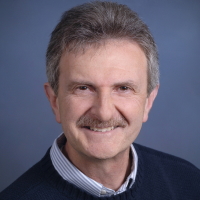 Richard Tedeschi, PhD, is professor emeritus in the department of psychological science at the University of North Carolina at Charlotte and distinguished chair of the Boulder Crest Institute for Posttraumatic Growth in Bluemont, Virginia. He has published several books and numerous professional articles on posttraumatic growth, an area of research that he developed that examines personal transformations in the aftermath of traumatic life events. Tedeschi serves as a consultant to the American Psychological Association on trauma and resilience, is a fellow of the Division of Trauma Psychology and the Division of Psychotherapy and is past president of the North Carolina Psychological Association.