Kaitlin Luna: Hello, and welcome to Speaking of Psychology, a biweekly podcast from the American Psychological Association, that explores the connections between Psychological Science and everyday life. I'm your host, Kaitlin Luna. In this episode, we're going to talk about veterans' mental health. Having just marked Veterans Day earlier this month, it's a good time to discuss the mental health challenges that many veterans deal with, some of the latest psychological research into their care, and the complexities of modern warfare and its effect on veterans.
I'm joined today by Dr. Rajeev Ramchand, a fellow with the Bob Woodruff Foundation, who researches the prevalence, prevention, and treatment of mental health and substance use disorders in veterans and other populations, and Terri Tanielan, a senior behavioral scientist at RAND Corporation, who researches Military and Veterans Health Policy, military suicide, and the psychological effects of combat and terrorism. Thank you both so much for joining us today.
Terri Tanielian: Thank you for having us.
Rajeev Ramchand: Yes, thank you.
Luna: First, I want to start off by talking about, what are some of the most pressing mental health issues that veterans face today?
Tanielian: I can get us started. Sure. We need to recognize there about 19 million veterans living in the United States today. It's a very diverse population. It's becoming increasingly diverse, as we see more and more women who've served in uniform. According to national data, we know that about 20% of veterans have a mental health problem. This can include a range of conditions, such as post-traumatic stress disorder, but also depression, bipolar disorder, and substance use problems. We see that the rates of these conditions do vary by gender and age, particularly associated with the era of service of those veterans. Our veterans are facing a wide array of mental health challenges.
Luna: Do you want to add anything, Rajeev?
Ramchand: Sure. I would just echo what Terri was saying, that a lot of times we think of, when we talk about veterans, the most recent cadre of veterans, what we would refer to as the post 9/11 veterans. As Terri mentioned, especially as we have veterans from the first Gulf War, Vietnam, Korea aging, I think that we're going to see this bulk, as we are in American society at large, of mental health challenges associated with aging in the veteran population. We'll see that continue. I think that it's just important for us to keep an eye on those older veterans.
Luna: I want to zero in a bit more on the post-traumatic stress disorder. Are certain people more prone to having that happen to them when they return from war?
Ramchand: I can take that one. We have seen the most significant predictor of post-traumatic stress disorder across studies and across samples, is exposure to combat. When people deploy, they have a variety of different experiences that depends on where they're stationed, the security climate of the region. The more intense combat exposure is consistently linked to suicide. Anything above and beyond that might be a little bit here and there, but I'll turn it over to Terri to add more color if she wants.
Tanielian: Sure. Well, we know that there are certain characteristics that are associated with those who may experience more combat-related traumas and exposures based upon the service that they served in, as well as the time period that they were deployed. As Rajeev said, the most significant predictor is the number of combat traumas and individual experiences while they're deployed. That may be irrespective of the time that they are in theater or the number of deployments they've had, but the number of experiences they've had during any one given deployment.
Luna: What treatment options are available for veterans with post-traumatic stress disorder?
Tanielian: There are a number of treatments that are available. We also know that research suggests that there are some particular treatments that have been proven to be very efficacious in reducing the symptoms of post-traumatic stress disorder. The guidelines that DOD and the Department of Veterans Affairs have released, highlight some of these evidence-based therapies and recommend that veterans be offered one of them as a first line treatment option. These often focus on trying to process and confront the trauma, that is the source of the problems for veterans.
There are three in particular that are recommended for treating PTSD, prolonged exposure, trauma-focused cognitive processing therapy, and EMDR. Which is another form of trauma-focused psychotherapy.
Luna: The EMDR has gotten a lot of publicity lately. Can you explain a little more about what that is and how that would help a veteran?
Tanielian: I can try. I am not a clinician, and we know that the evidence that has been generated for EMDR has shown that it's worked well in civilian populations, but we do not have as much data on how efficacious it is for veterans. It is an approach that tries to help individuals process and make sense of their trauma, by calling the trauma to mind while they pay attention to a back and forth movement or sound such as a finger moving back and forth. Again, I'm not a clinician, but I know that this is a treatment that is being utilized, and we're hopeful that we'll see more data on how effective it is for treating veterans with PTSD.
Luna: Terri, can you explain more about what exposure therapy is?
Tanielian: Sure. Well, prolonged exposure therapy is a protocol-based treatment approach that teaches an individual to gain control of their trauma by facing the negative feelings. It often involves talking about the trauma with a therapist and doing some of the things that you once avoided. You're increasingly exposed to things that you've avoided and try to gain control over the situations and your responses to them.
Luna: When members of the military are discharged, are they given information about the resources that are available to them through Veterans Affairs, through other resources?
Tanielian : I can start with this and then maybe Rajeev can add. It's important to reflect that the past 18 years have seen some pretty dramatic changes in how the Department of Defense exposes and encourages service members to gain access to behavioral healthcare. Over time, they've really changed the types of support that were available to troops in theater, but they've also introduced a number of programs that have helped raise awareness about the resources and treatment options that are available when the troops come home, but also as they transition out of the military.
There has been an increased effort to make service members more aware of the services that are available to them from the Department of Veterans Affairs, and the options that they can pursue through the Veterans Health Administration. We've also seen a proliferation of support programs and treatment facilities in the non-governmental sector, that have been funded largely in the philanthropic sector to create additional centers of excellence or clinics that offer outpatient or even intensive outpatient services to treat veterans with mental health problems.
Ramchand: I would just say, to add upon Terri's, that the transition period we know is a really important period to engage veterans, to make sure that they're aware of their benefits, their eligibility, what's available. It also assumes that they're becoming veterans and they're going through a transition status, and they'll know everything, and they'll retain everything. That's a lot of information to process. It's a different time. They're leaving one career and going to a completely different culture and a different career. I think that it's just incumbent upon us as a society to keep reminding veterans what's available because even their needs for treatment might evolve over time.
They might not need it at that immediate time, or they might think they might not need it, but six months down the road, a year down the road, two years down the road, they might decide that then it's time for treatment. We need to make sure that they know, at those various junctures, that treatment options are available for them.
Tanielian: Yes, that's a really critical point. I think that there's so much focus on the military to civilian transition. We think that there's this one-time opportunity to educate service members about the options that will be available, but not only is it an overwhelming time, but they may find and recognize the need for it five, 10 years later. We need to make sure that we're continually doing education and outreach to inform veterans and their family members about the services that they may be eligible for, and that could benefit them.
Luna: Terri, can you talk about some of the notable differences in mental health among veterans of different generations? We talked before about the differences between Vietnam veterans to Desert Storm veterans to veterans of the wars in Iraq and Afghanistan. Can you elaborate on that a bit more?
Tanielian: Sure. We know that the rates of post-traumatic stress disorder in terms of the point in time estimates of prevalence among these cohorts of veterans do vary, but it's important to keep in mind that the context for how these men and women deployed are also very different. Vietnam era veterans served in the era of the draft. The all-volunteer force is a much different context. At the same time, our understanding of post-traumatic stress disorder has really evolved. We've learned what we know currently, today, about identifying and diagnosing PTSD as well as treating it, really on the backs of the Vietnam era veterans.
While we can think about the rates of prevalence and even lifetime prevalence of PTSD, it's important to take into consideration some of those differences and nuances. Studies have shown that roughly between 11% and 20% of post 9/11 veterans experience PTSD at any given point in time. For Gulf War One veterans, that's about 12%, but again, that population hasn't been systematically assessed as much as we've done with the Vietnam era population, where we see point in time prevalence of about 15% for post-traumatic stress disorder, and 30% for lifetime prevalence of PTSD.
Changes and differences and how we screen for and diagnose PTSD certainly contribute to those differences. Also, our awareness and understanding of how to treat them offer hope for each of these veterans, in terms of potential opportunities for recovery.
Ramchand: I would just add to that, that I think when we're talking about these different generations of veterans, we have to think about their cultural attitudes. I don't want to claim that stigma is no longer an issue, but certainly, the younger generation of veterans has been having more open discussions about mental health, there's been more of a push, a contemporaneous push, to encourage those in need to seek treatment.
That wasn't the case, necessarily, among people who were returning from other wars. Thinking of the cultural differences, I think about what they think about mental health treatment, we might need different strategies to target some of the older veterans who may have been experiencing and really suffering from PTSD symptoms for really long periods of time, but still could benefit from treatment regardless of the duration from when it occurred.
Tanielian: Yes, absolutely. If you think about the context of support that these veterans faced upon returning home, and the differences there, not just in overcoming some of the barriers to seek treatment and recognize that they have challenges, but how they were embraced by their neighbors when they returned home, and how that can contribute to shame and willingness to raise your hand and get help, I think, is also important to consider.
Ramchand: Absolutely.
Luna: Yes, it's very important to note that veterans who came back from World War II were received very differently from Vietnam veterans. Do you think that the reception of veterans today is better than it was for Vietnam era veterans?
Ramchand: It was a very charged political climate when Vietnam vets were returning. At the same time, there was more of an integration of military personnel with the civilian society. Some more civilians who were non-veterans knew veterans, and they were more integrated. As we've gotten rid of the draft, and there's new generation of veterans, there's been a lot of support and outpouring of, as Terri was talking about earlier, non-governmental organizations that are conducting outreach and researching and welcoming veterans back.
At the same time, we're at a point in our history with the biggest separation between non-veterans and veterans, or many non-veterans in civilian society who've never met a veteran. Who veterans are not in their social circle. That's why I think it's an interesting question because you have these two dynamics happening concurrently.
Tanielian: Yes, absolutely.
Luna: Rajeev, earlier when we spoke, you mentioned how with PTSD, not every single veteran has post-traumatic stress disorder when they finish their military service, but that a person cannot essentially, you said, leave the service without being changed in some way or the other. Can you explain that a little bit more?
Ramchand: Well, I think it's just developmentally and human nature that we all go through experiences and they change us. They influence us. I think that we've been focusing on PTSD and some of the negative mental health consequences, if you will, or some of the mental health challenges, but for many people, they've learned, many veterans have been able to use and develop skills that they otherwise wouldn't have. They've become leaders, they've developed really great leadership qualities that haven't been as well documented.
I think there's many ways to take your question, but right now I'm really thinking about, especially as Veterans Day is upon us, really all the things that they've learned, and all the ways that they've potentially grown from their experience. I think that we need to recognize that veterans have really unique contributions that they can offer to society, that we really need to capitalize on.
Luna: Absolutely.
Tanielian: Yes, absolutely. I think if you recognize their dedication to public service, and their willingness to raise their hand and defend our nation and contribute to society by putting their own lives on the line. That servant leadership is a key quality that comes through and needs to be valued and recognized. As much as we need to pay attention to those who struggle, we need to recognize the value and contribution that all of our veterans make.
Luna: Let's move on to an area of large concern in our country today, and that's suicide among veterans. According to a government estimate I found, there are 17 veterans who die by suicide every single day. Male veterans were 1.5 times more likely to die by suicide than people who did not serve. Female veterans fared even worse, as they were 2.2 times more likely to die by suicide than those who didn't serve. Clearly, this shows there's more that needs to be done to reduce these numbers. Can you explain what treatment works for veterans contemplating suicide, and what gaps you see? Why don't we start with you, Terri?
Tanielian: These are great questions. I think we have to understand a little bit about the risk and challenges that veterans face and providing access to high quality mental health services as a key component of a comprehensive suicide prevention approach. While we're always striving to understand the risk factors and the protective factors, we do know that access and delivery of high quality mental health services is a very important and effective means of reducing suicidal behavior and suicidal risk for veterans.
Ensuring that we reduce the barriers to care and promote the use of these evidence-based therapies that I talked about, will be critically important for making sure that we can reduce risk of suicide for veterans. At the same time that we know another effective means of reducing suicide is means restriction and making the environment safer for veterans. This means really focusing in and discussing firearm safety and thinking through policies that can help address access to firearms and storage of firearms for veterans who may be at risk of suicide.
Those, really, are two big important areas that require attention if we're going to move the needle on suicide. There are others as well, and I'd love to hear Rajeev provide some thoughts, as this is an area that I know that he has been studying as well.
Ramchand: Yes. What Terri said is absolutely correct. In terms of your question about what are the treatment options and what are the gaps, is something that I think about a lot. We know that 50% of those who die by suicide are in treatment in the general population. They're already in mental health treatment. Terri's point about delivery of evidence-based and high quality treatment is really important. To my knowledge, there are, you could call it three to four treatments that have empirically tested to reduce suicide attempts and suicidality.
Those are dialectical behavioral therapy, cognitive behavioral therapy, a specific version for suicide that Greg Brown developed. Safety planning, and there's elements of safety plan that both Greg brown and Barbara Stanley as well as Craig Brian have thought about and published on, as well as David Jobes's Collaborative Assessment for the Manage of Suicidality, or CAMS. Those are four really high-quality treatments, and the safety planning, some people consider a treatment. Those are really the strongest evidence to date.
I think one of the challenges is getting these treatments out to providers in the community, so that they are equipped when somebody comes in and they assess them for suicide, which they should routinely be doing. That the providers are equipped to then treat the person's suicidality directly. That's what these treatments offer. That's just so critical, but then there's a lot of other things as well, besides treatment, and what Terri was talking about in terms of safer environments and firearm storage policies and things of that nature, are absolutely critical as well.
Just touching on what we were talking about earlier, when we think about veteran suicide, we have to remember that a lot of the suicides among the veteran, there's around over 6000 veterans who died in 2017. The bulk of those were over the age of 50. They're middle-aged, they're not the post 9/11 veterans. We have to focus on that post 9/11 group, absolutely, but we also have to keep in mind, how are we reaching this older generation or this other era of veterans, and make sure that we're still keeping them in focus and offering them high-quality care and approaches that work for them.
Luna: That's really fascinating that you mentioned that the older population, you're seeing rates of suicide be as high as they are, and that goes along with our very first question about, you were saying that aging in the veteran population is an issue of utmost importance today.
Ramchand: Suicide, in the general population, a lot of times we focus on the rates. I should note that there's this, the rates are higher among post 9/11 veterans than non-veterans, but the numbers of veterans are much higher in that pre 9/11 group, if you will. It's this balance between higher risk and rates, relative to where the burden of mortality is. That's a balance that, from a public health approach, we have to target all of these populations, and we have to think about both of those groups. In the United States, generally, the burden of suicide is also in this middle-aged man group, an older man. I think that that's an area that we really need to talk more about.
Luna: Why are female veterans more vulnerable? Their suicide rate was higher than those of male veterans.
Ramchand: I'm not sure if the suicide rate is higher among female veterans than male veterans. The risk is greater. When you look at females, veterans have a greater risk relative to non-veterans than male veterans do to male non-veterans, but I have to look very carefully at the numbers to see how the rates compare, but that said, the point is well taken. This gets back to something Terri said earlier, about the diversity and the increasing population of veterans who are women. Some of the strongest evidence today is that a lot of that military-- Having experienced military sexual trauma or screened positive for military sexual trauma increases risk for subsequent suicide.
Addressing military suicide is going to, or military sexual trauma is going to, in my opinion, can potentially directly impact the suicide rates down the roads, of veterans, and especially women veterans. At the same time, for the women who've already experienced military sexual trauma, we have to ensure that they are provided, again, this high-quality evidence-based care. For women veterans, I think cultural competency becomes so much more important, and I know Terri has done a lot of work on that among providers and cultural competency. Maybe she can speak to that.
Tanielian: Sure. I just want to note, we know, even in the civilian sector, that women who experience interpersonal violence and domestic violence may also be at greater risk for suicide. Interventions and approaches designed to decrease sexual violence and sexual harassment can really also serve to decrease later risk for suicide. Those efforts are really critically important, but the role of cultural competence often comes up when we talk about ensuring access to high-quality services in mental health, in particular for veterans.
It's this notion that the provider has a cultural awareness or a sensitivity to the unique experiences that veterans may have faced. That they not only can speak the language and understand some of the terms or some of the cultural issues that veterans faced while they were in the military, that can really serve to help develop a better therapeutic rapport between the provider and the veterans so that they can successfully engage in an evidence-based therapy.
There's been a lot of effort to try to increase cultural competence among providers to veterans, particularly in mental health, so that they can not only speak the language, but understand and develop that sensitivity and empathy with some of the experiences that they have faced. For women who have experienced sexual harassment or sexual assault, even actually for some men, while the rate of exposure to military sexual harassment and trauma may be lower for men, there are more men in the military, so the number of men who've experienced military sexual trauma is also high.
Knowing to ask about these experiences is critically important to try to understand how that may be related to their current mental health conditions or problems, but also related to their risk for suicidal behavior.
Luna: With that, the cultural competency, I know it's very important in the minority populations, to have mental health providers who have a deep understanding of their clients. In this case, having a military background, I'm assuming is probably will be very beneficial, or at least a deep understanding of that. Are there enough psychologists today who you think have those backgrounds and understanding? These psychologists out there, are there enough who are working with veterans?
Tanielian: Well, that's a great question. I think it's important to disentangle whether it's just about having a military background, or whether cultural competence can be gained by being exposed to and working with the population. So, anybody who has worked, even as a civilian, with the military population, or in the Department of Veterans Affairs, we have found will score higher on criteria, evaluating military cultural competence among the provider community. There's been focused efforts, particularly for mental health, to increase cultural competency in mental health therapists, more so than non-mental health therapists.
There's still not a lot of data to indicate that cultural competency of the provider is tied to clinical outcomes. The theory is, that it's about this cultural competency contributing to an enhanced therapeutic rapport, which is essential for treatment engagement and retention, and adherence to treatment. The emphasis on training providers is important, but it's not just that a psychologist or a mental health therapist has a military background, but that perhaps they've been exposed to and worked with the population, and been trained about the experiences that the veteran community may have faced, so that they're asking the right questions, listening, and developing a good therapeutic relationship.
Ramchand: Before we move to another topic, Kaitlin, I just wanted to highlight that for women veterans, we hear time and time again in the research, that the presumption that they're not veterans is really strong. Among, in VA facilities, even non-clinical staff, when the people checking, the men administrative support, assumes that the woman is the veteran spouse, for example, can be very off putting.
I think that goes, for community providers, I don't know if we know to what extent community providers are making these assumptions or not, the research hasn't been done, necessarily, but I think that that's really critical that the minute a woman veteran, or I would rather say that cultural competency requires an understanding of the diversity of the veteran population, and not making presumptions. Just thinking through and allowing, recognizing your own potential implicit bias and correcting that.
Luna: Yes, I imagine that's very important, like you said, if someone's assuming that the woman is not the veteran, that's already setting you up for maybe a fragmented relationship or bring up a lot of different issues that wouldn't be helpful later on. There's a lot-- You're saying, basically, there's a lot that needs to be done in this area, but that having a deep understanding of the military, at least, and having that knowledge is beneficial to the client in the relationship.
Ramchand: Yes, and my discussions-- Terri has really helped me think through this. I used to think about high-quality care. Providers are juggling two things, high-quality care, and cultural competency, and juggling those two. Terri has really convinced me and helped me understand that a part of high-quality care is not just the delivery of evidence-based care, but also being culturally competent. They're not two separate things. They're all under this umbrella of high-quality care.
Luna: Right. Do you think, in general, there's a lot of stigma about veterans seeking mental health services? Do you think that's lessened today? In general, in the population, mental health stigma has decreased, but in the veteran population, is it decreasing? Is it the same?
Tanielian: I like to unpack that term, stigma, and really focus on the phrase barriers to care, and what we know are obstacles and barriers to help-seeking and the receipt of high-quality care. While certainly, the attitudes that an individual has about help-seeking, and how they might be perceived, are important. There are other barriers and repercussions from help-seeking that are also critical for the veteran population. This really is the fear of a negative career repercussion. That they could somehow be harmed in their career progression or career trajectory by getting mental health care. It could somehow affect their security clearance.
Those are more highly endorsed among the military and veteran population, than are the traditional thoughts that you would be seen as weak by getting mental health care. Those consequences can be very real for some individuals. We need to focus on interventions that can decrease those obstacles, and not necessarily just call it all stigma. I think that there's been a greater awareness, and efforts to promote veterans to seek care when they need help. The rates of help-seeking among those who've served in the post 9/11 era is about 50% of those who've experienced a mental health problem will have sought care for that problem.
We would like to see it become higher. Again, it's about decreasing some of those barriers and not just overcoming what we traditionally think of as the stigma associated with mental health.
Ramchand: That's so important. I love unpacking this term stigma. Two things. I do a lot of work on-- Some people think, "Well, what does the security clearance matter if you're a veteran?" You're no longer in the military, it's not as important to have a security clearance. We have to look at the data and recognize that a lot of veterans are going into jobs that still require some of these clearances. I think all the veterans who are going into work for the intelligence community, for law enforcement, first responder community, I mean, it's full of veterans.
These concerns about the impact, the career repercussions for seeking mental health care, are the same or it's the same version of the same coin. The other one that we hear about that I haven't seen as much attention on is the diversity of treatment options. We've heard a lot that some veterans are really concerned about the side effects of different pharmacotherapy treatments. I think really just educating veterans and part of our "anti-stigma campaigns" needs to be about what actually mental health treatment is, and that there are options, and that it should be patient-centered and patient-directed.
If you want pharmacotherapy, then there's a number of different options that you could try. If you want psychotherapy, then there's really good high-quality treatments. A lot of the ones that Terri already mentioned, like prolonged exposure or CPT, trauma-informed CPT. I think that we really have to be-- It's not just about getting people into care by telling them it's not a sign of weakness. While that's important, we have to be tackling these other angles, if you will, of stigma.
Tanielian: Right, and the beliefs about the effectiveness of mental health care are really important. We need to help veterans and others know that treatment can work, and that there are effective therapies available, and helping them to understand the options and to evaluate which ones are going to be most successful, will be critical in making them more informed consumers, and perhaps more confident that when they seek out to reach help, that they will be offered something that has the promise of relieving their symptoms and promoting recovery.
Luna: What about the caregivers of veterans? I'm talking about spouses or family members who likely take on the everyday responsibilities of working with their family member or loved one with the physical or mental health wounds. Do they have enough resources and support?
Ramchand: In short, I'm going to say no. That they don't have enough resources yet available to them. Fortunately, Terri and I actually collaborated and worked on a project together on America's Military and Veteran Caregivers, called the Hidden Heroes. Where we learned a lot about the population. If we focus on that post 9/11 group of caregivers, we found that there's around 1.1 million American adults today who are caring for someone who served in post 9/11 era, and the post 9/11 era. That around 64% of them are caring for someone for mental and behavioral health challenges, and that around 40% of those caregivers themselves, meet criteria for depression.
I think we have to think about the resources that are available to them. Also, sometimes the resources exist, and it's ensuring caregivers know about those resources that are able to support them and letting them know that help exists. Critically, is then making sure that those resources and the availability of them fits with the caregivers schedule. Their care-giving demands can be very difficult. They may be juggling care-giving, as well as being a parent, as well as being a worker. They may be employed. So, they're carrying multiple hats. Nine to five treatments or support groups, things that happen from a nine to five schedule may not work to their-- Be conducive to them.
If it's there, but they can't access it because of their other demands, then it doesn't do them much good. We have to think, if we want to support this group, how we can best meet their needs wherever they are. So that we can support them. I actually think that the families of those people with mental illnesses themselves don't necessarily have adequate support for caring for their loved ones.
Luna: Terri, do you have anything to add?
Tanielian: Well, I would add that it's important to think about their eligibility and access to these services, as Rajeev mentioned, but many of them may fall outside of the traditional eligibility criteria for a lot of caregiver support programs, or the services that are available to them because they are the parents, for example, of the veteran, and they may not qualify for some of the traditional care-giving support services. Or they are the friend or neighbor of the veteran that they are caring for.
We often think about family caregivers as the spouse or a child, but we know that this is, again, a diverse group that includes parents as well as friends and neighbors, who are providing that support. So, making sure that they also have access to those support resources because they too, are vulnerable to the burdens and stress associated with care-giving.
Luna: Yes, absolutely. Terri, we spoke earlier about the concept of moral injury, which I want to talk a little bit about here is, which is basically when someone violates their moral code, and they experience a lasting psychological impact. Can you talk more about moral injury, this concept, and what it means for veterans?
Tanielian: Sure. Certainly, I'm not an expert in the study of moral injury, but it is an area where we're gaining a deeper understanding of the construct, as well as seeing the development of some specific interventions that can try to address it. It really does get at what you mentioned, is a challenge to an individual's beliefs that may be culture-based or group-based or focused around religious or spiritual beliefs. That a moral injury occurs when maybe they have committed an act of transgression, or they've witnessed that transgressive act by another. Whether purposefully or by mistake, and that this somehow causes this dilemma.
As we're trying to understand the challenges that veterans face, clinicians and researchers have identified moral injury as a consequence of combat experience and war. Seeing that this guilt and shame and other kind of phenomenology is associated with what they're calling moral injury. It suggests, really, different types of interventions and approaches to help those individuals overcome some of those consequences so that they can live, again, more symptom free and regain a quality of life.
Ramchand: Yes, I'm not an expert on it either, but I will say I'm very excited. I've seen a lot of research recently, that is trying to develop protocols and evidence-based treatments for non-mental health professionals, like chaplains or pastoral counselors, that are attempting to get at some of these other dimensions of moral injury. I've seen new policy initiatives for mental health providers that recognize their patients or an individual's spiritual health. Then try to foster collaboration between a chaplain and the mental health professionals.
So that they're giving consistent messages. That they're not conflicting. Of course, without violating the patient's privacy, but that they're coming up with ways to work together, so that they're addressing, potentially, the depressive symptoms, as well as some of the guilt and shame associated with moral injury, that Terri was just talking about.
Luna: In general, today's warfare, modern warfare, is very complex. There are deployed members who serve overseas, of course, and they live in that reality every day, but there are others who are based in the US, but who are performing duties in a war zone. For example, a drone operator could be here in the Washington D.C. area, strike a town in Afghanistan, somewhere thousands of miles away. If, for example, that strike kills people, including some civilians, then the operator goes home, they go back to their, "normal life", and they're not in that war environment every single day.
I want to talk about what that juxtaposition does to someone's mental health. I mean, when they're basically living almost, I guess I must think of it as living two different lives in one day. Terri, can you elaborate on that a bit more?
Tanielian: I can try. Again, I don't know that we have enough data to really understand the nuances associated with it, but if we think about the concept of deploying as a military unit in a combat theater, the idea that you're there as a unit, with a group, small team or large team, you're focused on a particular mission. You have, not only individuals to watch your six or guard your back, and you're there for a specific mission, but you have people that you're experiencing it with, and so an opportunity to process. You're also away from the stressors of home life, or some of the distractions that they can introduce.
Those may not necessarily be present for individuals who are perhaps stateside and performing their support functions or combat role, and then going home and having dinner, to help with homework that night or take on some of the household responsibilities. Having to make sense of those two different worlds can create challenges for some, but it also may help them mitigate and be able to pay attention to other things, and not necessarily dwell on what they did during the day.
It's unclear, I think, understanding some of the nuances and what its impact might be, until we gain more data on those types of operators, and experiences that they have, and what contributes to those that do well and those that don't do so well. Some other work that we've done, looking at the impact of deployment on military families, we know that communication with the spouse at home can be protective, and helping to manage the expectations about how a service member maintains that relationship with their family while they're deployed, can have a protective role in the impact long-term.
How does that family communication get supported when the individual isn't deployed to a combat zone, but is only going to their job and then home every day?
Luna: Rajeev, do you have anything to add on this topic?
Ramchand: I just think it's so critical. I think that what Terri said is great, and I just think it needs to be researched so much better. As I said earlier, I do a lot of work on law enforcement suicide, and when we were talking, we did a study recently where we interviewed around 120 law enforcement agencies across the United States. We were focused on the officers, but when we asked them, "Who else who works for you are you concerned about?" They would always say the dispatch operators. Maybe it's not similar, maybe it is, but they're on the phones, who are getting called about this crisis, and then dispatching someone.
Oftentimes, they don't see, necessarily, what happens as a result, but it's a high-stress environment. They too go home, and to their homes, and things of that nature, and often aren't considered officers. I think there's a lot of jobs out there that are very stressful in ways that we haven't assumed in the past, and we need to really open our aperture, for lack of a better term, and think about the different stressors that people are experiencing on a day-to-day basis.
Tanielian: Right. Absolutely. Think about then what that suggests for different ways that we put in support resources for them, whether it be facilitating additional resources or opportunities for interventions, is really critical because it could be a totally different model that we need.
Luna: Yes, that's really fascinating, about some of these jobs that maybe aren't like the front lines, but they are contributing to helping people, first responders, that sort of thing. That just sounds like a really fascinating area of research, like as you said, that needs to be explored more. What are some of the other complexities you see in the way wars are fought today, and those effects on veterans mental health? Let's compare it to the past.
Ramchand: That's a perfect setup because, and what we were just talking about. I think when Terri and I, at the beginning of the podcast, we're talking about the combat exposure and its risk on subsequent PTSD, some people think of that as, in the military, you have a combat role or a combat support role, but those distinctions don't necessarily relate anymore to a person's combat exposure. Because you can be a truck driver in the heightened security climate in Afghanistan, you're a truck driver. When IEDs are a huge threat.
You're essentially providing support, but you could be experiencing combat day-to-day, and so exactly what you're saying, modern warfare, and we have to think about these exposures and then think about how we're measuring what people are doing and the risks that they're experiencing. I think the IED combat support role is a prime example of the ways that modern warfare is changing, and we have to, again, throw out our assumptions of what exposure to combat and where we are most likely to see that. What occupations we're most likely to see that.
Tanielian: Right. Just a follow on to that, not only the exposure to these very threatening experiences and traumatic experiences for even combat support roles, but just the understanding of being exposed to a traumatic brain injury and what those consequences can mean. Particularly from blast exposures. We're still learning more about the effects of blast exposure on the brain, and some of the short and long term consequences that may be experienced by veterans who have traumatic brain injury.
I think the common allure that this is just a concussion, and the symptoms are going to reside, may not necessarily hold true for some of our veterans who've had repeat exposures and repeat brain injuries. With the symptoms that can overlap with post-traumatic stress disorder or depression, really trying to disentangle and understand, how do we provide appropriate, effective treatment for things like headache and concentration difficulties? We can't just assume that it's all associated with experiencing post-traumatic stress disorder, but that some of it may be as a result of changes in the brain from the brain injury itself, and that blast exposure.
That's really changed the way that we need to be more diligent in how we assess veterans who present with these symptoms and making sure that we're not just doing self-report of the symptoms, but also thinking about getting images of their brain and understanding what may be happening. That could also require independent or concurrent interventions.
Luna: During this podcast, we've covered some pretty heavy topics. I want to end going on more of a high note here. The first question I want to ask is, can you both speak to the importance of finding meaning after military service? I'm sure that's a big transition that happens when people leave. Something like the military, where you have this meaning, and then you go into civilian life. How important is it to find a new sort of meaning? Or as it changes as you leave service.
Tanielian: I think there's a lot of focus on ensuring that service members, as they transition, maintain their sense of purpose and mission and commitment. We know that by and large, veterans are more engaged civically and in their communities than non-veterans. They are mission-driven, purpose-driven individuals, and so helping veterans to understand that while their military mission may be done, there are many other missions and purposes that they fulfill. Whether it be finding meaningful employment or leadership within their communities or reconnecting with their families.
We've seen a lot of affinity groups that focus on this post 9/11 veteran population, that are really oriented around helping veterans get engaged and find those new opportunities once they are back home and integrated within their communities.
Luna: Rajeev, do you want to elaborate on that a bit more?
Ramchand: Sure. I'll say that maybe it reflects my own middle-ageness. I think finding meaning is really hard. When you say having veterans find meaning, that can be somewhat existential, and can be very challenging to do, and it's a lot to place on a veteran. I think as veterans, where we really need to focus is ensuring that non-veterans really, as we've been talking about, really recognize the value of veterans. How civic that they raised their right hand and served in very challenging times, and at very challenging climates, with very different rules.
I think it's incumbent upon the non-veterans to actually increase their awareness and recognition of the contributions veterans have made. I think by doing that, it's not all on the veteran to find meaning. That they'll find meaning, if we appreciate their service, then the meaning, I hope, will come from that. I do think it's a critical role in something that, as a society, we really need to focus on. That's the beauty of Veterans Day. That's what it's all about. It's about us, non-veterans, recognizing the role that veterans have played.
Luna: Yes, absolutely. That's a wonderful way to end that question. In overall, I just want to end this one other note too. Are you seeing improvements in overall care of our veterans? We've talked a lot about where those gaps are, but what are some of areas you're really seeing our care of veterans going well?
Ramchand: I actually have seen that we are talking-- Maybe, I don't know if this is true, but it used to be a question about access to mental health care stop, and I think that we are seeing increased awareness. It's not just access to mental health care, but access to high-quality care. I think a lot of organizations are trying to increase the capacity of our mental health care professionals to deliver really high-quality, evidence-based care. I think that we still have a long way to go, don't get me wrong, but I do think that there's been a lot of awareness about these issues, as well as in the mental health community, about the necessity for delivering high-quality, evidence-based care.
Tanielian: Yes, absolutely. I think we've seen certainly, large investments from the federal government, in dollars for both the Department of Defense and the Department of Veterans Affairs, to expand their clinical services, but also to invest in research. That opportunity is affording us even more insights in becoming more precise with how we cannot just diagnose, in terms of improved diagnostics, but how we can think about even getting towards precision medicine for the treatment of post-traumatic stress disorder.
So we can do a better job, in the end, of matching veterans to particular types of efficacious treatments based upon an increasing burgeoning scientific base for understanding who's going to respond to which types of treatments best. It's not just increased access to high-quality care, as Rajeev said, we've made important headway in that, but increasing the opportunity we have to match veterans to specific evidence-based treatments that we know will work for them. I see hope on the horizon in that regard.
Ramchand: We need to keep funding research on mental health conditions. I mean, I just think it's increasing awareness. We need more evidence-based protocols. I think the ones that we have are great, and let's keep it going with more.
Luna: Thank you so much for joining us on this very important topic. I really appreciate your time, and I think our listeners will really enjoy this episode.
Tanielian: Thank you for having us.
Ramchand: Yes, thank you. This was great.
Luna: Before we go, I just want to let you know that we want to hear from you. You can email your comments and ideas to speakingofpsychology@apa.org. That's speakingofpsychology, all one word, .org, and please give us a rating in iTunes. We'd really appreciate it. Speaking of Psychology, is part of the APA Podcast Network, which includes APA Journals Dialogue about new psychological research, and Progress Notes about the practice of psychology.
You can find all of our podcasts on Apple, Stitcher, Spotify, or wherever you get your podcast. You can also go to our website, SpeakingofPsychology.org, to listen to more episodes. I'm Kaitlin Luna, with the American Psychological Association.


 Rajeev Ramchand, PhD, is a fellow at the Bob Woodruff Foundation with expertise in studying the prevalence, prevention and treatment of mental health and substance use disorders in adolescents, service members and veterans, disaster-impacted communities and minority populations. Prior to that, he was a senior vice president of research at the Cohen Veterans Network where he was responsible for designing and guiding CVN’s research agenda and for conducting research within the network. He also served as a behavioral scientist at the RAND Corporation where he conducted research on an array of topics including military and veteran mental health, military and veteran caregivers, adolescent delinquency, the impact of disasters on community health and violent extremism. He has also conducted many studies on suicide and suicide prevention in military, veteran and civilian populations. While at RAND, he received two RAND Gold Medal Awards for his research on suicide prevention and one Presidential Award, RAND’s highest honor, for his work on military and veteran caregivers.
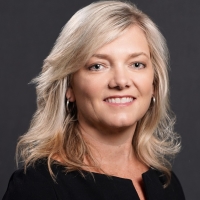 Terri Tanielian, MA, is a senior behavioral scientist and a nationally recognized expert on military and veteran health. Her areas of interest include military and veterans health policy, military suicide, military sexual assault and the psychological effects of combat, terrorism and disasters. She has led multiple studies to assess the needs of veterans and to examine the readiness of private healthcare providers to deliver timely, high quality care to veterans and their families. She has also examined community-based models for expanding mental health care for returning veterans and their families. As the former director of the RAND Center for Military Health Policy Research, she spent a decade overseeing RAND's diverse military health research portfolio. She was the co–study director for a large, non-governmental assessment of the psychological, emotional and cognitive consequences of deployment to Iraq and Afghanistan and co-director for RAND's first representative study of military caregiving in the United States. She currently serves as a fellow in the Military Service Initiative for the George W. Bush Institute.