skip to main content

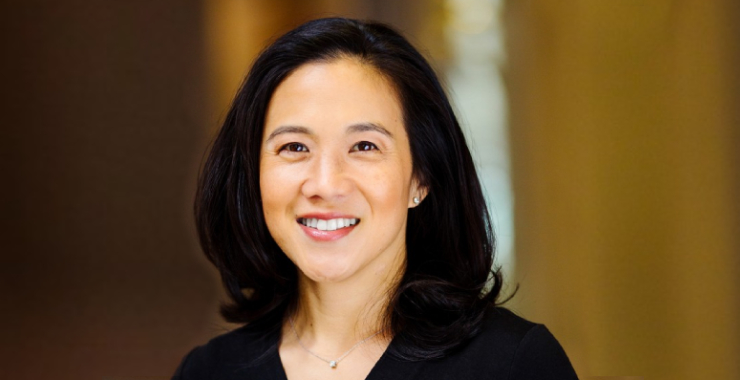
How can the science of behavior change help us reach our goals? Q&A with Angela Duckworth, PhD

The Rosa Lee and Egbert Chang professor is exploring how social interventions can help improve self-control and perseverance

APA Style leaf logo Cite This Article in APA Style
American Psychological Association. (2022, December 9). How can the science of behavior change help us reach our goals? Q&A with Angela Duckworth, PhD. https://www.apa.org/news/science-spotlight/angela-duckworth

Angela Duckworth

In lay-friendly terms, what’s the big question your work is addressing?

How can people better align their most valued goals and their everyday actions? And how can people align their goals with the goals of others? I have come to believe that harmony (of goals with goals, of goals with actions, both within a person and across people) is at the core of any plausible version of the good life.
What scholars’ work, recent papers, or recent discoveries have recently gotten you most excited?

I’m very excited about the work of Raj Chetty on economic mobility. Raj is an economist, of course—but in my opinion, there should be more cross-fertilization between economics and psychology. I also very much appreciate the work on wise interventions, as well as more intensive interventions like the Strong African American Families Program studied by Gene Brody.

What question do you wish more people were asking/working on in your area/sub-discipline?

I just discovered the work of Roger Barker and the now somewhat obscure field of environmental psychology. I wonder whether we might use AI to carry on with the work that Barker began: documenting the situational factors that shape behavior in everyday life.

What are you working on now?

I’ve been frustrated with my own failed attempts to help people change their behavior for good (double entendre intended). I believe that there is untapped promise in interventions that are social (vs. targeted at individuals alone) and are both experiential (as opposed to merely informational) and educational (as opposed to covert, like the nudges in behavioral economics). With Katy Milkman, I am working on a megastudy in this direction.

What do you wish you knew when you were first starting off as a new PhD?

I have been absurdly fortunate to have been mentored—both formally and informally—by wise and wonderful role models. And, in fact, I think that’s related to the advice I would pass on. Any of us does what we do because of the support we get from other people. So proactively seek out wise and wonderful mentors, ask for their advice, offer yourself as a collaborator, and, of course, remember to thank them for all they do for you.

Recommended Reading


You may also like