

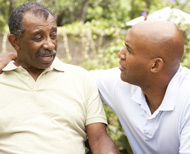
 Who are the caregivers in this particular case?
- Who functions as family in this case? Care recipients may receive care from a variety of people who function as our culture presumes family would – sharing in the obligatory and emotional roles of sharing care with each other
- What are the distinct needs of caregivers, given their official/legal roles that may include or exclude them from participation in care delivery systems, sharing care information, and sharing in decision making?
- Are they adequate in your professional opinion?
- Do family members have the results of those evaluations?
- What have family members been told by professionals?
- What do family members understand or misunderstand from the results?
- To what degree do they accept the diagnosis?
- What have they learned from informal sources about their loved one’s illness or disability?
What is the etiology of the illness or disability? The common symptoms?
- What is the expected course or trajectory of that condition?
- How will care demands likely change over time if the illness or disability progresses?
- Which symptoms are most challenging for the care recipient currently?
- Which symptoms are most challenging for the caregiver currently?
What is the family context of care?
- What is the family’s development stage?
- Who are the primary and secondary caregivers?
- How much stress and burden are the caregivers suffering?
- What are the social, cultural and spiritual contexts of the family’s caregiving experience?
- In what stage of caregiving is the family?
- What are the logistical, financial and psychological impacts of the illness or disability on the family?
- How are care responsibilities distributed among primary and secondary caregivers?
- To what extent are family members satisfied with the distribution of care responsibilities?
- What are the reasons that the caregiver took on the role?