

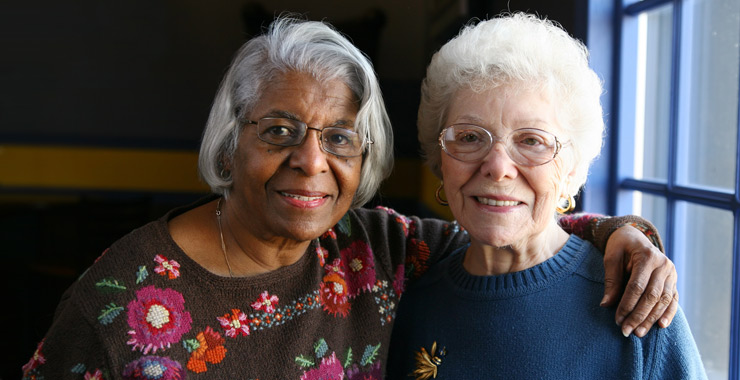

In many ways, it is almost intuitive to consider that health care providers who work with older adults are focused on issues of diversity, particularly if elder status is regarded as one of several cultural differentiators. But beyond the fact that an older adult is different because of an aging distinction, other elements that characterize a diverse population require as much attention. Other important aspects of diversity include race, ethnicity, language, gender, socio-economic status, physical ability, sexual orientation, education, location of residence and religion/spirituality. The aging population served clinically, studied and researched, and managed in organizational settings (such as long-term care facilities) challenges health and aging service providers to continually hone multicultural knowledge, skills, abilities and other characteristics (including attitudes) — “gerodiversity” competencies.
Although many are the aspects of diversity that impact health practice, it has been effectively argued that ethnicity and race will be at the forefront of multicultural concerns for the foreseeable future if for no other reason than the substantial demographic shift in the U.S. population of an increasingly multiethnic population. By 2050, Hispanics/Latinos are expected to make up 30 percent of the U.S. population, and by 2019, the Hispanic population aged 65 and older is projected to be the largest racial/ethnic “minority” group in this age cohort. Working with racial/ethnic groups such as Latinos requires knowledge of additional diversity factors such as acculturation, indigenous beliefs for healing practices, and social justice issues including discriminatory experiences. These factors along with the previously described diversity aspects can have direct influence on aging issues of caregiving, end-of-life concerns, mental health and physical illness.
This resource guide is a useful tool for maintaining one's awareness of multicultural health issues in the aging population, and the readings can inspire the integration of multicultural knowledge in day-to-day work with older adults. By becoming familiar with and utilizing the educational resources described in this guide, providers can stay abreast of the evolving field of gerodiversity.
Yvette N. Tazeau, PhD
ynt consulting, San Jose, Calif.
June 2018
-
2017 Minority Aging Statistical Profilesopens in new window
Administration on Community Living (ACL)
Annual summary of the most recent statistics on older adults within the African American, American Indian and Alaska Native, Asian American, and Hispanic American populations. Compiled primarily with data from the U.S. Census Bureau, the summary includes topical areas such as centenarians, residence, education, marital status, living arrangements, income and poverty, self-rated health status, chronic conditions, disability status, health insurance, and participation in Older Americans Act (OAA) programs. -
How race-related stress impacts older African Americans
American Psychological Association
This tip sheet provides an overview of race-related stress and how it impacts older African-Americans and provides recommendations for aging and health care providers. -
The Aging and Health Report: Disparities and Resilience among Lesbian, Gay, Bisexual and Transgender Older Adults (2012)opens in new window (PDF, 12.4MB)
Fredriksen-Goldsen, K.I., Kim, H-J., Emlet, C.A., Muraco, A., Erosheva, E.A., Hoy-Ellis, C.P., Goldsen, J., & Petry, H.
The report is based on the Caring and Aging with Pride project, which was the first national federally funded project examining the aging and health of over 2,500 lesbian, gay, bisexual, transgender (LBGT) adults ages 50 to 95. It reveals significant health disparities impacting LGBT older adults as they age, including disability, physical and mental distress, victimization, discrimination, and lack of access to supportive aging and health services. LGBT older adults are also resilient. As the older adult population continues to grow in number and diversity, it remains imperative for public policy, community services, and research to target the distinct needs of sub-populations within the older adult demographic.
-
Black Aging Matters: How to Better Address Racism-Related Stress in African-American Older Adults (2018)opens in new window
American Psychological Association
This webinar provides in-depth current research, clinical application, and first-hand testimonial on the impact of race-related stress on African-American older adults. Featured presenters are: Keith Whitfield, PhD, Provost, Wayne State University; Frances Shani Parker; and Jameca Woody Falconer, PhD.
-
Black and African-American Elders (2018)opens in new window
Diverse Elders Coalition
This page highlights how although many African-American older adults were champions for change during the Civil Rights Movement, today they remain impacted by a lingering inequality and face challenges including poverty, health disparities, and affordable housing.
-
Discrimination in America: Experiences and Views of African-Americans (2017)opens in new window (PDF, 1.2MB)
National Public Radio/Robert Wood Johnson Foundation/Harvard T.H. Chan School of Public
This report presents African-Americans’ personal experiences of racism and discrimination, as well as their perceptions of discrimination in their local area and in the nation.
-
Diversity and Cultural Competency (2017)opens in new window
Administration for Community Living
The Administration for Community Living celebrates our nation’s rich diversity and recognizes that minority Americans are often at greater risk of poor health, social isolation and poverty. The information provided is intended to help increase access to and improve programs for our diverse American population.
-
Fact Sheet on Aging and Socioeconomic Status (2015)
American Psychological Association Office on Socioeconomic Status
Provides data on the SES status of older adults and how SES affects society and the lives of older adults. It also provides suggestions for including SES in research, practice and educational endeavors.
-
Family Caregiver Briefcase — Variations for Practice for Culturally Diverse Groups (2015)
American Psychological Association Presidential Task Force on Caregivers
The nature and outcomes of family caregiving are different for various sub-groups, depending on such factors as socioeconomic status; gender; age; cultural/ethnic traditions, values and beliefs; minority status; and degrees of acculturation and assimilation. In order to provide effective care to caregivers, health and aging service providers need to be aware of and responsive to these nuances of culturally diverse groups.
-
Health and Health care of African-American Older Adults (2010)opens in new window (PDF, 2.7MB)
Stanford School of Geriatrics
This module presents an overview of available information on health conditions among African-American older adults in the U.S. with emphasis on historical influences on their health and health care.
-
Identity and Discriminationopens in new window
The Resilient Brain Project
This web page provides a list of resources and tools to take steps to reduce psychological symptoms based on discrimination, provide support for others, and connect with others.
-
Lesbian, Gay, Bisexual and Transgender Aging
American Psychological Association Office on Sexual Orientation and Gender Diversity
This page represents an ongoing effort by the APA's Office on Sexual Orientation and Gender Diversity to help address the needs LGBT older adults and those who provide services and care by highlighting APA resources as well as other helpful resources and organizations.
-
The Mental Health and Substance Use Workforce for Older Adults: In Whose Hands? (2012)opens in new window
Institute of Medicine
The document provides an assessment of the Mental Health and Substance Use (MH/SU) needs of adults age 65 and older and recommends how the nation should prepare the MH/SU workforce to meet these needs. Chapter 2 provides information on the prevalence of mental health and substance use conditions in racial and ethnic groups.
-
Michigan Alzheimer's Disease Center: YouTube Channelopens in new window
University of Michigan
Video series on memory and multicultural aging research, clinical care, education, and wellness.
-
Multicultural Aging Efforts
American Psychological Association
Recent publications, webinars and activities related to APA multicultural aging efforts.
-
The Multiethnic Advocates for Cultural Competence Online Resourcesopens in new window
The Multiethnic Advocates for Cultural Competence is a statewide nonprofit membership agency aimed at the reduction of health disparities in Ohio’s health systems. Resources including assessment tools and culture specific resources are available.
-
Older Americans Behavioral Health Issue Brief 11: Reaching Diverse Older Adult Populations and Engaging Them in Prevention Services and Early Interventions (2013)opens in new window
Administration on Aging/Substance Abuse and Mental Health Services Administration
This Issue Brief describes the prevalence of behavioral health problems in diverse groups of older adults; identifies strategies for reaching and engaging older adults in behavioral health services; discusses the delivery of culturally appropriate behavioral health services; and offers examples of behavioral health programs that have successfully engaged diverse groups of older adults, including African-American, American Indian/Alaska Native, Asian-American, and Hispanic/Latino older adults; lesbian, gay, bisexual and transgender older populations; and older adults living in rural areas.
-
Project Implicitopens in new window
Project Implicit is a non-profit organization and international collaboration between researchers who are interested in implicit social cognition - thoughts and feelings outside of conscious awareness and control. The goal of the organization is to educate the public about hidden biases and to provide a “virtual laboratory” for collecting data on the Internet.
-
Racial and Ethnic Disparities in Alzheimer’s Disease: A Literature Review (2014)opens in new window
U.S. Department of Health and Human Services Office of the Assistant Secretary for Planning and Evaluation
This study aimed to describe and characterize the published literature on disparities between racial and ethnic groups among individuals with Alzheimer’s disease (AD) and related dementias. The literature shows consistent and adverse disparities among blacks and Hispanics compared to non-Hispanic whites in the prevalence and incidence of AD, mortality, participation in clinical trials, use of medications and other interventions, use of long-term services and supports, health care expenditures, quality of care and caregiving. The literature suggests numerous underlying causes, including factors related to measurement of the disease, genetics, socioeconomic factors, cultural differences, lack of culturally competent providers, and discrimination. Although these disparities are well known, little is known about the effectiveness of various strategies to address these differences within the context of AD.
-
Reference and Resource Guide for Working with Hispanic/Latino Older Adults, Based on Treatment Improvement Protocol 26: Substance Abuse Among Older Adults (2008)opens in new window (PDF, 557KB)
Substance Abuse and Mental Health Services Administration
Offers practice guidelines for the identification, screening, assessment and treatment of older adults for alcohol abuse and abuse of prescription drugs or over-the-counter drugs. Discusses outcomes and financial, ethical and legal issues.
-
Stanford Geriatric Education Center – Ethnogeriatrics Resourcesopens in new window
A nationally recognized leader in the field of ethnogeriatrics (health care for elders from diverse populations).
An ethnogeriatic curriculum, ethnogeriatric competenciesopens in new window , and a wealth of ethnogeriatric resourcesopens in new window , for health care providers are available including emergency preparedness; mental health, cultural and spiritual diversity in end of life, dementia and caregiving, health literacy and diabetes are available. -
Stressful Life Experiences Age the Brain by Four Years, African-Americans Most at Risk (2017)opens in new window
Alzheimer’s Association
Harsh life experiences appear to leave African-Americans vulnerable to Alzheimer's and other forms of dementia. Researchers at the 2017 Alzheimer's Association International Conference presented evidence that poverty, disadvantage and stressful life events are strongly associated with cognitive problems in middle age and dementia later in life among African-Americans. Race related stress over the life course can result in resilience as well as wear and tear in the body. -
Therapists Are Learning to Treat Racial Trauma (2016)opens in new window
This article provides an understanding on how racial trauma and cultural experiences can lead to mental disorders.
-
Longer Lives, Sicker Lives? Increased Longevity and Extended Disability Among Mexican-Origin Eldersopens in new window
Angel, R. J., Angel, J. L., & Hill, T. D. (2015). The Journals of Gerontology: Series B: Psychological Sciences and Social Sciences, 70 (4), 639-649. doi: 10.1093/geronb/gbu158
The purpose of this study is to identify factors associated with different patterns of functional decline in a longitudinal sample of older Mexican-origin individuals, and to determine the proportions of life after age 65 characterized by serious functional impairment. The Hispanic Established Populations for Epidemiologic Studies of the Elderly was used to examine changes in objective Performance Oriented Mobility Assessments in a cohort of 3,050 Mexican-origin elders initially interviewed in 1993/1994 and recontacted six times over 17 years. Life table analyses reveal that subjects spent over half of the period after 65 with serious functional limitations. Significant gender and nativity differentials emerge. Protracted morbidity that accompanies increases in life expectancy has serious implications for the physical, social, and economic well-being of older individuals and their families, as well as for health and long-term care policy. -
Treatment of Depression in Low Income Older Adultsopens in new window
Areán, P.A., Gum, A., McCulloch, C. E., Bostrom, A., Gallagher-Thompson, D., & Thompson, L. (2005). Psychology and Aging, 20 (4), 601-609. doi: 10.1037/0882-7974.20.4.601
The purpose of this study was to compare cognitive-behavioral group therapy (CBGT), clinical case management (CCM) and their combination (CBGT + CCM) to treat depression in low-income older adults (60+). Sixty-seven participants with major depressive disorder or dysthymia were randomly assigned and entered into 1 of the 3 treatment conditions for 6 months. They were followed for 18 months after treatment initiation on depression and functional outcomes. CCM and CBGT + CCM led to greater improvements in depressive symptoms than CBGT, but CBGT led to greater improvements in physical functioning. All three conditions resulted in similar reduction of needs. Findings suggest that disadvantaged older adults with depression benefit from increased access to social services either alone or combined with psychotherapy. -
Treating Depression in Disabled, Low-Income Elderly: A Conceptual Model and Recommendations for Careopens in new window
Areán, P.A., Mackin, S., Vargas-Dwyer, E., Raue, P., Sirey, J.A., Kanellopolis, D., & Alexopoulos, G.S. (2010). International Journal of Geriatric Psychiatry, 25(8), 765-769. doi: 10.1002/gps.2556
The treatment of depression in low-income older adults who live in poverty is complicated by several factors. Poor access to resources, disability and mild cognitive impairment are the main factors that moderate treatment effects in this population. Interventions that not only address the depressive syndrome but also manage social adversity are sorely needed to help this patient population recover from depression. This paper is a literature review of correlates of depression in late life. In the review a treatment model is proposed that combines case management (CM) to address social adversity with problem solving treatment (PST) to address the depressive syndrome. The combination of age, disability and social adversity complicates the management and treatment of depression. CM and PST are interventions that work synergistically to overcome depression and manage social problems. -
Priorities for Action in a Rural Older Adults Studyopens in new window
Averill, J.B. (2012). Family & Community Health, 35 (4), 358–372. doi: 10.1097/FCH.0b013e318266686e
This article reports the findings from a recent study of older adults in the rural southwestern United States and discusses practice and research implications. The aim of the study was to analyze health disparities and strengths in the contexts of rurality, aging, a depressed economy and limited health resources. Identified themes needing action included sustained access to prescriptions, transportation solutions for older adults in isolated communities, inadequate access to care, poor infrastructure and coordination of services, scarce assisted living and in-home care for frail older adults, and barriers related to culture, language and economics. -
Resiliency and Optimism: An African-American Senior Citizen’s Perspectiveopens in new window
Baldwin, D. R., Jackson III, D., Okoh, I., & Cannon, R. L. (2011). Journal of Black Psychology , 37(1), 24-41. doi: 10.1177/0095798410364394
A total of 52 African-American senior citizens (aged 59-99 years) were asked to participate in a study examining psychological resources (ego resilience and dispositional optimism) and the experience of racial stress as a function of geographical location (north vs. south). This is an understudied population, and African-American seniors who remain relatively active within their respected communities may provide useful information regarding these psychological constructs in particular and successful aging in general. Participants completed the ego resilience, optimism, stress and distress surveys. When collapsed across geographical location, resilience was negatively correlated with distress and positively correlated with optimism. Dispositional optimism was negatively correlated with levels of psychological distress. African-American seniors who resided in the north reported significantly less distress than those in the south. Findings support resiliency and optimism as stress buffers for older African-Americans. -
Alzheimer’s Disease in African-Americans: Risk Factors and Challenges for the Futureopens in new window
Barnes, L. L., & Bennett, D. A. (2014). Health Affairs, 33(4), 580-586. doi: 10.1377/hlthaff.2013.1353
As the U.S. older adult population continues to expand rapidly, Alzheimer’s disease poses a major and increasing public health challenge, and older African-Americans may be disproportionately burdened by the disease. Although African-Americans were generally under included in previous research studies, new and growing evidence suggests that they may be at increased risk of the disease and that they differ from the non-Hispanic white population in risk factors and disease manifestation. This article offers an overview of the challenges of Alzheimer’s disease in African-Americans, including diagnosis issues, disparities in risk factors and clinical presentation of disease, and community-based recommendations to enhance research with this population. -
Ethical Issues in Cross-Cultural Neuropsychologyopens in new window
Brickman, A. M., Cabo, R., & Manly, J. J. (2006). Applied Neuropsychology, 13 (2), 91-100. doi:10.1207/s15324826an1302_4
Clinical neuropsychologists who assess patients from diverse cultural and linguistic backgrounds face unique ethical challenges. Four critical questions relevant to ethics of cross-cultural neuropsychology are addressed: (a) Should culture or race be considered in neuropsychological testing? (b) Should race- and ethnicity-specific normative data be used in the clinical neuropsychological evaluation? (c) Who is competent to design and translate tests for ethnic minority groups and non-English speakers and who is competent to administer and interpret them? And, (d) Are neuropsychology training programs adequately preparing clinicians to be competent in the assessment of cross-cultural groups? The overall aims of the article are to highlight the complexity of these clinical and ethical issues, to provide comprehensive and balanced information to help guide clinician choices, and to stimulate future research in this area. -
“Being Black and Feeling Blue”: The Mental Health Consequences of Racial Discriminationopens in new window
Brown, T. N., Williams, D. R., Jackson, J. S., Neighbors, H. W., Torres, M., Sellers, S. L., & Brown, K. T. (2000). Race and Society, 2 (2), 117-131. doi: 10.1016/S1090-9524(00)00010-3
The association between racial discrimination and mental health was examined using Wave 2 (1987–1988) and Wave 3 (1988–1989) panel data from the National Survey of Black Americans. Mental health status was assessed by psychological distress and depression. In cross-sectional analyses, the perception of racial discrimination was related to high levels of psychological distress at Waves 2 and 3. Experiencing racial discrimination was marginally related to a high likelihood of depression at Wave 2. In longitudinal analyses, reports of racial discrimination at Wave 2 were associated with high levels of psychological distress at Wave 3. High psychological distress or depression at Wave 2 was not associated with reports of racial discrimination at Wave 3—indicating that poor mental health did not predict subjective reports (perceptions) of discrimination. The discussion focuses on possible directions for a more comprehensive program of research on mental health, stress and experiences of racially based discrimination. -
Deconstructing Racial Differences: The Effects of Quality of Education and Cerebrovascular Risk Factorsopens in new window
Carvalho, J. O., Tommet, D., Crane, P. K., Thomas, M. L., Claxton, A., Habeck, C., . . . Romero, H. R. (2015). The Journals of Gerontology: Series B: Psychological Sciences and Social Sciences, 70 (4), 545-556. doi: 10.1093/geronb/gbu086
To evaluate the effects of vascular conditions and education quality on cognition over time in White and African American (AA) older adults. Cross-sectional and longitudinal racial differences in executive functioning (EF) and memory composites among Whites and AAs enrolled in a cohort study were examined, including whether cerebrovascular risk factors and Shipley Vocabulary scores (a proxy for education quality) accounted for racial differences. On average, AAs had lower quality of education and more cerebrovascular risk factors including hypertension, diabetes, and obesity. AAs had lower mean EF and memory at baseline, but there were no group differences in rates of decline. Cross-sectional racial differences in EF and memory persisted after controlling for vascular disease, but disappeared when controlling for Shipley Vocabulary. Quality of education appears to be more important than cerebrovascular risk factors in explaining cross-sectional differences in memory and EF performance between White and AA older adults. Further investigation is needed regarding the relative contribution of education quality and cerebrovascular risk factors to cognitive decline among ethnically/ racially diverse older adults. -
A Longitudinal Analysis of the Influence of Race on Cognitive Performanceopens in new window
Castora-Binkley, M., Peronto, C. L., Edwards, J. D., Small, B. J. (2015). The Journals of Gerontology: Series B , 70 (4), 512–518.doi: 10.1093/geronb/gbt112
Whether there are racial and ethnic disparities in the rate of cognitive decline among older adults is not clear. The purpose of this study was to determine if there are differences in cognitive decline among racial and ethnic older adults. Data were from the Health and Retirement Study, waves 1998–2010. Participants were community dwelling at baseline, mostly female participants (58.8%), ranged in age from 65 to 105 years, and had education levels that averaged less than high school. Cognition was examined using a combined score from word recall, Serial 7’s, backward counting, and naming tasks. To determine changes in cognition across 12 years, we utilized mixed effects models. Results indicated that after adjusting for covariates, race or ethnicity was unrelated to changes in cognitive performance, but there were significant differences in baseline cognition and these differences were more pronounced after adjusting for age, gender, education, poverty, heart disease, diabetes, high blood pressure. It is evident that there are significant differences in baseline cognition, although the rate of cognitive decline across 12 years did not vary significantly by race. These findings support previous assertions that the rate of cognitive decline is not associated with race and suggest that it is likely that baseline cognitive performance is a better indicator of performance over time. -
Building a Registry of Research Volunteers among Older Urban African-Americans: Recruitment Processes and Outcomes from a Community-based Partnershipopens in new window
Chadiha, L.A., Washington, O.G.M., Lichtenberg, P.A., Green, C.R., Daniels, K.L., & Jackson, J.S. (2011). The Gerontologist , 51(1) , S106-S115. doi: 10.1093/geront/gnr034
An emerging strategy for increasing public participation in health research is volunteer registries. Using a community-based participatory research framework, recruitment processes and outcomes in building a research volunteer registry of older urban African-Americans are described. The specific research question examined retrospectively was, "How does a community outreach partnership between older residents and academic researchers of the Healthier Black Elders Center facilitate recruitment of older urban African-Americans for a research volunteer registry?" Paralleling the seven years in which an annual health reception was held, enrollees in a research volunteer registry increased from 102 to 1,273 enrollees. Targeted outreach to underrepresented groups to build a registry of volunteers for health research may be a promising strategy for addressing recruitment disparities in African-Americans' research participation. -
Discrimination, Racial Bias, and Telomere Length in African-American Menopens in new window
Chae, D. H., Nuru-Jeter, A. M., Adler, N. E., Brody, G. H., Lin, J., Blackburn, E. H., & Epel, E. S. (2014). American Journal of Preventive Medicine, 46(2), 103-111. doi: 10.1016/j.amepre.2013.10.020
Leukocyte telomere length (LTL) is an indicator of general systemic aging, with shorter LTL being associated with several chronic diseases of aging and earlier mortality. Identifying factors related to LTL among African-Americans may yield insights into mechanisms underlying racial disparities in health. The study tested whether the combination of more frequent reports of racial discrimination and holding a greater implicit anti-black racial bias is associated with shorter LTL among African-American men. A cross-sectional study of a community sample of 92 African-American men aged between 30 and 50 years was conducted. Ordinary least squares regressions were used to examine LTL in kilobase pairs in relation to racial discrimination and implicit racial bias. Data analysis was completed in July 2013. After controlling for chronologic age and socioeconomic and health-related characteristics, the interaction between racial discrimination and implicit racial bias was significantly associated with LTL. Those demonstrating a stronger implicit anti-black bias and reporting higher levels of racial discrimination had the shortest LTL. Household income-to-poverty threshold ratio was also associated with. Results suggest that multiple levels of racism, including interpersonal experiences of racial discrimination and the internalization of negative racial bias, operate jointly to accelerate biological aging among African-American men. Societal efforts to address racial discrimination in concert with efforts to promote positive in-group racial attitudes may protect against premature biological aging in this population. -
Acculturation and its Effect on Depressive Symptom Structure in a Sample Of Mexican American Eldersopens in new window
Chiriboga, D.A., Banks, S., & Kim, G. (2007). Hispanic Journal of Behavioral Sciences, 29(1) , 83-100. doi: 10.1177/0739986306295875
In this study, depressive symptoms reported by Mexican-American elders who scored higher and lower on a linguistic acculturation scale were compared. Prevalence, equality of covariance matrices, equality of error variances and factor structures were examined for the 20 items included in the Center for Epidemiologic Studies Depression (CES-D) Scale. The sample consisted of 3,050 community-dwelling Mexican-Americans from five states. Significant differences were found on all parameters, indicating that level of acculturation is associated with pervasive differences in the way items are endorsed on the most commonly used inventory of depressive symptoms. Results add to literature suggesting that there may not be a universal structure to symptoms. Higher or lower scores may have different implications for people representing different cultures and/or stages of acculturation, something that both researchers and clinicians should be sensitive to when interpreting results of screening tests. -
Minority and Cultural Issues in Late-Life Depressionopens in new window
Chiriboga, D.A., Yee, B.W.K., Jang, Y. (2005). Clinical Psychology: Science and Practice, 12(3) , 358-363. doi: 10.1093/clipsy/bpi042
Disparities in the identification and treatment of behavioral health problems such as depression have only recently come to the attention of policymakers, researchers and practitioners. This paper reviews currently available information on critical elements of cultural competence for clinical practice, including not only organizational standards but also the standards recommended for individual providers. Factors that may distinguish a minority elder from non-Hispanic white clients are discussed, as well as potential problems with psychosocial assessment tools. -
Perceived Discrimination and Health-Related Quality-of-Life: Gender Differences among Older African-Americansopens in new window
Coley, S. L., de Leon, C. F. M., Ward, E. C., Barnes, L. L., Skarupski, K. A., & Jacobs, E. A. (2017). Quality of Life Research, 26 (12), 3449-3458. doi: 10.1007/s11136-017-1663-9
Emerging data suggest that African-American women may fare worse than African-American men in health-related quality-of-life (HRQOL). Perceived discrimination is an important contributor to poor health over all among African-Americans, but few studies examined the intersecting effects of perceived discrimination and gender in explaining HRQOL disparities. We investigated gender differences in HRQOL and tested whether perceived discrimination accounted for these differences by examining data from the Chicago Health and Aging Project in which 5652 African-American adults aged 65 and older completed structured questionnaires about demographic and socioeconomic characteristics, HRQOL, perceived discrimination and health-related variables. More women reported poor overall HRQOL than men (24 vs. 16 percent respectively). Higher perceived discrimination was significantly associated with worse overall HRQOL, with stronger effects for women in overall and mental HRQOL. These gender disparities remained significant until controlling for potentially confounding variables. Perceived discrimination did not account for gender differences in poor physical HRQOL. Perceived discrimination is associated with poor HRQOL in older African-Americans, with this association appearing stronger in women than men for mental HRQOL. -
Exploring Interventions for LGBT Caregivers: Issues and Examplesopens in new window
Coon, D.W. (2005). Journal of Gay & Lesbian Social Services: Issues in Practice, Policy & Research, 18(3-4) , 109-128. doi: 10.1300/J041v18n03_07
LGBT caregiving for midlife and older adults facing chronic illness or disability as well as the development and evaluation of interventions targeting LGBT caregivers remains fundamentally unexplored. Largely due to discrimination and discriminatory policies, many LGBT caregivers face barriers at multiple levels of service provision that can exacerbate stress and negatively impact caregiver and care recipient quality of life. This article highlights many of these obstacles and provides examples of intervention strategies designed to assist LGBT caregivers ranging from interventions aimed at the individual and interpersonal levels of service provision to changes needed at the social policy level. As an example of an individual or interpersonal level of intervention designed to assist LGBT caregivers, the SURE 2 framework is presented and discussed. -
Adapting Homework for an Older Adult Client with Cognitive Impairmentopens in new window
Coon, D.W., Thompson, L.W., & Gallagher-Thompson, D. (2007). Cognitive and Behavioral Practice, 14(3) , 252-260. doi: 10.1016/j.cbpra.2006.10.006
There is growing evidence that psychosocial treatments incorporating behavioral intervention strategies can be effective in the treatment of depression in older adults with cognitive impairment. However, less work with such cases has focused on the use of cognitive interventions in tandem with these behavioral intervention strategies. This case study describes how cognitive behavioral intervention strategies and related homework assignments were tailored and integrated to successfully treat depressive symptoms in an older African-American diagnosed with probable Alzheimer's disease. Ways to overcome barriers to homework completion as well as methods to incorporate the client's sociocultural context and personal history into homework are also discussed. -
Treating the Aged in Rural Communities: The Application of Cognitive-Behavioral Therapy for Depressionopens in new window
Crowther, M.R., Scogin, F., & Norton, M.J. (2010). Journal of Clinical Psychology ® , 66(5) , 502-512. doi: 10.1002/jclp.20678
Many rural communities are experiencing an increase in their older adult population. Older adults who live in rural areas typically have fewer resources and poorer mental and physical health status than do their urban counterparts. Depression is the most prevalent mental health problem among older adults, and 80 percent of the cases are treatable. Unfortunately, for many rural elders, depressive disorders are widely under-recognized and often untreated or undertreated. Psychotherapy is illustrated with the case of a 65-year-old rural married man whose presenting complaint was depressive symptoms after a myocardial infarction and loss of ability to work. The case illustrates that respect for rural elderly clients' deeply held beliefs about gender and therapy, coupled with an understanding of their limited resources, can be combined with psychoeducational and therapeutic interventions to offer new options. -
Psychotherapy with Lesbian, Gay, Bisexual and Transgender Older Adultsopens in new window
David, S. & Cernin, P. A. (2008). Journal of Gay & Lesbian Social Services, 20 (1-2), 31-49. doi:10.1080/10538720802178908
A small literature has addressed psychotherapy with lesbian, gay, bisexual and transgender (LGBT) samples over the past two decades. Older adults have also been investigated in a growing number of psychotherapy research studies. However, psychotherapy specifically with LGBT older adults has not received adequate investigation. This review relies on converging lines of research to provide an integrated discussion of evidence-based psychological treatments (EBTs) with current research and clinical observations in the field of gerontology and suggests ways in which these topics can inform psychotherapy practice with LGBT older adults. We summarize current research on aging in several areas of practical interest to psychotherapists seeking to apply EBTs in their work with LGBT older adults. EBTs are adaptable to a variety of issues encountered in later life by LGBT older adults and modifications to therapeutic technique are addressed. -
Stress and Coping Among Gay Men: Age and Ethnic Differencesopens in new window
David, S. & Knight, B. G. (2008). Psychology and Aging, 23 (1), 62-69. doi:10.1037/0882-7974.23.1.62
Previous studies suggest that perceived stigmatization of sexual minority status, ethnicity and age are associated with negative mental health outcomes, and other studies suggest that coping styles may influence these outcomes. However, no studies have examined these relationships among gay men of varying ethnicities and age groups. Three hundred eighty-three black and white, younger, middle-aged and older adult gay men completed measures of perceived stigmatization, coping style and mental health outcomes. Black older adult gay men reported significantly higher levels of perceived ageism than the older white group, significantly higher levels of perceived racism than the younger black group, significantly higher levels of homonegativity than the younger black and the white groups, and were more likely to use disengaged coping styles than white gay men. However, black older adult gay men did not experience significantly higher levels of negative mental health outcomes. Results suggest that further research should examine how older Black gay men, who perceive higher levels of stigma while reporting greater use of less effective coping styles, do not appear to be experiencing more negative mental health outcomes as a result. -
Preferences for Mental Health Care: A Comparison of Older African-Americans and Older Caucasiansopens in new window
Dupree, L.W., Watson, M.A., & Schneider, M.G. (2005). Journal of Applied Gerontology, 24, 296-210. doi: 10.1177/0733464804272100
Research on mental health service utilization patterns has shown that older adults underutilize outpatient services, particularly in minority populations. Greater reliance on inpatient services may result when a mental health problem can no longer be ignored. The goal of this study was to compare the attitudes and beliefs of African-American and Caucasian older adults about mental health care and preferred providers. A 47-item survey was administered to a convenience sample of 1,598 primarily African-Americans, recruited at 40 sites, including the study sample of 726 people older than age 50. Results showed that respondents of both races preferred advice from their family doctor, clergy or a family member. African-Americans preferred services in their doctor's or clergy's office, whereas aucasians preferred a professional service provider's office. Findings suggest that providers and policy makers consider the impact of age, culture and ethnicity on mental health services provision. -
Balm in Gilead: Racism, Religious Involvement, and Psychological Distress Among African‐American Adultsopens in new window
Ellison, C. G., Musick, M. A., & Henderson, A. K. (2008). Journal for the Scientific Study of Religion, 47 (2), 291-309. doi: 10.1111/j.1468-5906.2008.00408.x
Although a long tradition of theoretical and sociohistorical analysis has suggested that religious practices and values help African-Americans in coping with the distressing sequelae of racism and discrimination, few studies have examined this issue with systematic, quantitative, empirical data. This work contributes to the literature by: (a) outlining a series of arguments regarding the potential significance of multiple aspects of religious involvement—attendance at services, church‐based social support, and religious guidance in daily life—in dealing with harmful psychosocial effects of recent experiences of discrimination; and (b) testing hypotheses derived from two alternative models of the racism‐religion‐distress relationship using longitudinal data from a nationwide survey. Results indicate that both religious guidance and religious attendance moderate the effects of racism on psychological distress, while congregational support has a direct (but not interactive) effect on distress, thereby partly offsetting (but not buffering) the negative effects of discrimination. -
Racial differences in self-reports of short sleep duration in an urban-dwelling environment.opens in new window
Gamaldo, A. A., McNeely, J. M., Shah, M. T., Evans, M. K., & Zonderman, A. B. (2015). The Journals of Gerontology: Series B: Psychological Sciences and Social Sciences, 70 (4), 568-575. doi: 10.1093/geronb/gbt117
The purpose of this study was to explore whether there are differences in sleep duration between blacks and whites residing in similar urban neighborhoods and whether the relationship between sleep durations and sociodemographic and/or health indices are consistent for blacks and whites. A total of 1,207 participants from the Healthy Aging in Neighborhoods of Disparities across the Life Span study. Sleep duration was assessed by a self-report of hours of nightly sleep in the past month. Sociodemographic measures included age, sex, education, poverty status, and perceived neighborhood disorder. Health status was assessed using measures of vigilance, depression, perceived stress, coronary artery disease, diabetes, blood pressure, and inflammation. There were no significant racial group differences in sleep duration. Whites, however, were more likely than blacks to report sleep durations of<6/6-7 hr compared with >7 hr with increasing stress and education levels. Blacks were more likely than whites to report short sleep durations (i.e., 6-7 hr vs. >7 hr of sleep) with increasing inflammation levels. Although racial disparities in sleep duration are minimized when the environment is equivalent between blacks and whites, the underlying demographic and health explanations for short sleep durations may vary between whites and blacks. -
Association Between Race and Age in Survival After Traumaopens in new window
Hicks, C. W., Hashmi, Z. G., Velopulos, C., Efron, T., Schneider, E. B., Haut, E. R., Cornwell, E. E., & Haider, A. H. (2014). JAMA Surgery, 149 (7), 642–647. doi:10.1001/jamasurg.2014.166
Racial disparities in survival after trauma are well described for patients younger than 65 years. Similar information among older patients is lacking because existing trauma databases do not include important patient comorbidity information. The objective is to determine whether racial disparities in trauma survival persist in patients 65 years or older. Trauma patients were identified from the Nationwide Inpatient Sample (January 1, 2003, through December 30, 2010) using International Classification of Diseases, Ninth Revision, Clinical Modification diagnosis codes. In-hospital mortality after trauma for blacks vs whites for younger (16-64 years of age) and older (≥65 years of age) patients was compared using 3 different statistical methods: univariable logistic regression, multivariable logistic regression with and without clustering for hospital effects, and coarsened exact matching. A total of 1 073 195 patients were included (502 167 patients 16-64 years of age and 571 028 patients ≥65 years of age). Most older patients were white, female, and insured and had Charlson Comorbidity Index scores of 1 or higher. The unadjusted odds ratios (ORs) for death in blacks vs whites were 1.35 for patients 16 to 64 years of age and 1.00 for patients 65 years or older. After risk adjustment, racial disparities in survival persisted in the younger black group but were reversed in the older group. This finding was consistent across all 3 statistical methods. Different racial disparities in survival after trauma exist between white and black patients depending on their age group. Although younger white patients have better outcomes after trauma than younger black patients, older black patients have better outcomes than older white patients. Exploration of this paradoxical finding may lead to a better understanding of the mechanisms that cause disparities in trauma outcomes. -
The National Institute on Aging health disparities research frameworkopens in new window
Hill, C. V., Pérez-Stable, E. J., Anderson, N. A., & Bernard, M. A. (2015). Ethnicity & disease, 25 (3), 245. doi: 10.18865/ed.25.3.245
A review of the National Institute on Aging (NIA) health disparities research portfolio was conducted to evaluate NIA’s progress in addressing priority health disparities areas. The NIA Health Disparities Research Framework highlights important factors for health disparities research related to aging, provides an organizing structure for tracking progress, stimulates opportunities to better delineate causal pathways and broadens the scope for malleable targets for intervention, aiding in our efforts to address health disparities in the aging population. The promise of health disparities research depends largely on scientific rigor that builds on past findings and aggressively pursues new approaches. The NIA Health Disparities Framework provides a landscape for stimulating interdisciplinary approaches, evaluating research productivity and identifying opportunities for innovative health disparities research related to aging. -
Why multicultural issues matter to practitioners working with older adultsopens in new window
Hinrichsen, G. (2006). Professional Psychology: Research and Practice, 37 (1), 29-35. doi:10.1037/0735-7028.37.1.29
How are the American Psychological Association's multicultural practice guidelines relevant to those who provide clinical services to older adults? Issues of race and ethnicity figure in the lives of older adults and their service providers in ways that may not be readily apparent. In this article, the author reviews facts about minority aging along with clinical examples to illustrate issues older adults confront in negotiating racial, ethnic and age differences between themselves and others, including service providers. Current professional efforts to enhance sensitivity to late-life diversity issues are reviewed, as are resources on which the practicing psychologist can draw. Recommendations are made regarding how psychologists can gain knowledge, enrich teaching and supervision, and encourage conversation with clients and colleagues about multicultural aging. -
Religiosity, adherence to traditional culture, and psychological well-being among African-American eldersopens in new window
Jang, Y., Borenstein, A., Chiriboga, D., Phillips, K., & Mortimer, J. (2006). Journal of Applied Gerontology , 25 (5), 343-355. doi: 10.1177/0733464806291934
To expand our knowledge on the role of religiosity in African-American culture, this study assessed the associations among religiosity, adherence to traditional African-American culture and psychological well-being. Regression models of psychological well-being, indexed with depressive symptoms and life satisfaction, were tested using a representative sample of 255 community-dwelling African-American older adults. The direct effect of religiosity was found to be significant for both depressive symptoms and life satisfaction. A significant interaction between religiosity and adherence to African-American culture was observed in the prediction of life satisfaction. Further analyses indicated that the positive effect of religiosity on life satisfaction was stronger in the more traditional group compared to that in the less traditional group. The results demonstrate that the benefits of religiosity do not exist uniformly across all African-Americans but vary by the level of adherence to traditional culture. -
Age cohort, ancestry, and immigrant generation influences in family relations and psychological well-being among Black Caribbean family memberopens in new window
Jackson, J.S., Frosythe-Brown, I., & Govia, I.O. (2007). Journal of Social Issues , 63 , 729-743. doi: 10.1111/j.1540-4560.2007.00533.x
Immigration is contributing to the U.S. population becoming increasingly ethnically diverse. This article examines the role of family relations and well-being among different generations of black Caribbean immigrants. Family disruptions, such as migration, can have complex effects on the support networks and emotional well-being of family members. Data from a recently completed national study of American Blacks in the United States, however, reveal significant similarities across ancestry and immigrant status in family contact, solidarity and well-being. It is concluded that intrafamilial relations may serve to overcome barriers of geographical distance in providing comparable levels of contact, solidarity and well-being for both U.S.-born and immigrant black Caribbean family members of different generations. Because of the increasing numbers of immigrant elders, these sources of family support will become increasingly more important in bridging the gaps between government resources and needed assistance in an aging society. -
Race and unhealthy behaviors: Chronic stress, the HPA Axis, and physical and mental health disparities over the life courseopens in new window
Jackson, J.S., Knight, K.M., & Rafferty, J.A. (2010). American Journal of Public Health , 100 (5), 933-939. doi: 10.2105/AJPH.2008.143446
The authors sought to determine whether unhealthy behaviors play a stress-buffering role in observed racial disparities in physical and mental health. Logistic regressions by race were conducted on data from the first two waves of the Americans' Changing Lives Survey to determine whether unhealthy behaviors had buffering effects on the relationship between major stressors and chronic health conditions, and on the relationship between major stressors and meeting the criteria for major depression. Among whites, unhealthy behaviors strengthened the relationship between stressors and meeting major-depression criteria. Among blacks, however, the relationship between stressors and meeting major-depression criteria was stronger among those who had not engaged in unhealthy behaviors than among those who had. Among both race groups there was a positive association between stressors and chronic health conditions. Among blacks there was an additional positive association between number of unhealthy behaviors and number of chronic conditions. Those who live in chronically stressful environments often cope with stressors by engaging in unhealthy behaviors that may have protective mental-health effects. However, such unhealthy behaviors can combine with negative environmental conditions to eventually contribute to morbidity and mortality disparities among social groups. -
Cultural beliefs and mental health treatment preferences of ethnically diverse older adult consumers in primary careopens in new window
Jimenez, D.E., Bartels, S.J., Cardenas, V., Dhaliwal, S.S., Alegria, M. (2012). The American Journal of Geriatric Psychiatry, 20(6) ,533-42. doi: 10.1097/JGP.0b013e318227f876
Beliefs concerning the causes of mental illness may help to explain why there are significant disparities in the rates of formal mental health service use among racial/ethnic minority elderly as compared with their white counterparts. This study applies the cultural influences on mental health framework to identify the relationship between race/ethnicity and differences in 1) beliefs on the cause of mental illness, 2) preferences for type of treatment, and 3) provider characteristics. The sample consisted of 1,257 non-Latino whites, 536 African-Americans, 112 Asian-Americans, and 303 Latinos. African-Americans, Asian-Americans, and Latinos had differing beliefs regarding the causes of mental illness when compared with non-Latino whites. Race/ethnicity was also associated with determining who makes healthcare decisions, treatment preferences and preferred characteristics of healthcare providers. This study highlights the association between race/ethnicity and health beliefs, treatment preferences, healthcare decisions and consumers' preferred characteristics of healthcare providers. Accommodating the values and preferences of individuals can be helpful in engaging racial/ethnic minority patients in mental health services. -
Race/Ethnicity and Health-Related Quality of Life Among LGBT Older Adultsopens in new window
Kim, H., Jen, S., & Fredriksen-Goldsen, K. I. (2017). The Gerontologist, 57 (suppl 1). S30–S39. doi : 10.1093/geront/gnw172
Few existing studies have addressed racial/ethnic differences in the health and quality of life of lesbian, gay, bisexual, and transgender (LGBT) older adults. Guided by the Health Equity Promotion Model, this study examines health-promoting and health risk factors that contribute to racial/ethnic health disparities among LGBT adults aged 50 and older. Weighted survey data from Aging with Pride: National Health, Aging, and Sexuality/Gender Study to analyze the indirect effects of race/ethnicity on health-related quality of life (HRQOL) via demographics, lifetime LGBT-related discrimination, and victimization, and socioeconomic, identity-related, spiritual, and social resources. Although African Americans and Hispanics, compared with non-Hispanic Whites, reported lower physical HRQOL and comparable psychological HRQOL, indirect pathways between race/ethnicity and HRQOL were observed. African Americans and Hispanics had lower income, educational attainment, identity affirmation, and social support, which were associated with a decrease in physical and psychological HRQOL. African Americans had higher lifetime LGBT-related discrimination, which was linked to a decrease in their physical and psychological HRQOL. African Americans and Hispanics had higher spirituality, which was associated with an increase in psychological HRQOL. Findings illustrate the importance of identifying both health-promoting and health risk factors to understand ways to maximize the health potential of racially and ethnically diverse LGBT older adults. Interventions aimed at health equity should be tailored to bolster identity affirmation and social networks of LGBT older adults of color and to support strengths, including spiritual resources. -
Justice for all? Beliefs about justice for self and others and telomere length in African Americansopens in new window
Lucas, T., Woerner, J., Pierce, J., Granger, D. A., Lin, J., Epel, E. S., . . . Lumley, M. A. (2018). Cultural Diversity and Ethnic Minority Psychology . Advance online publication. doi: 10.1037/cdp0000212
Believing in justice can protect health. Among marginalized racial minorities however, both endorsing and rejecting beliefs about justice might be critical. The current research examined links between African Americans’ beliefs about justice for self and for others and telomere length (TL)—an indicator of biological aging that is increasingly implicated in racial health disparities, with shorter telomeres indicating poorer health. Healthy African Americans completed individual differences measures of justice beliefs for self and others and then provided dried blood spot samples that were assayed for TL. We expected that a belief in justice for self would be positively associated with TL, whereas a belief in justice for others would be negatively associated. A significant 3-way interaction with chronological age confirmed this hypothesis—among older African Americans, TL was positively associated with believing in justice for self, but only when this belief was accompanied by a weak endorsement of the belief in justice for others. Findings underscore that for racial minorities, health might be best protected when justice beliefs are both endorsed and rebuffed. -
Attention HIV: Older African-American Women Define Sexual Riskopens in new window
McCord, L. R. (2014). Culture, Health & Sexuality, 16(1), 90-100, doi: 10.1080/13691058.2013.821714
Understanding sexual-risk behaviours as defined by a culture presents new challenges for human service professionals. Older African-American women constitute the fastest growing group of new cases of HIV in the USA. With heterosexual sex as the primary mode of transmission among this group, there exist minimal programmes that are culture and age-specific in terms of primary and secondary prevention. In an attempt to address this gap in knowledge, a focus group of older African-American women was conducted to learn how they defined sexual-risk behaviour. The major theme of the study was social prescription, how to behave sexually as an ageing adult. Underlying ideas that arose were that unprotected sex occurred out of habit, that impulsivity was associated with risky sex and that older women needed to be aware of warning signs and behaviours of potential mates. Micro- and macro-level implications for human service professionals are discussed. -
Systematic review of dementia prevalence and incidence in United States race/ethnic populationsopens in new window
Mehta, K. M., & Yeo, G. W. (2017). Alzheimer's & Dementia, 13 (1), 72-83. doi: 10.1016/j.jalz.2016.0602360
The purpose of this systematic literature review is to identify incidence and prevalence of dementia in racial and ethnic populations in the United States. A total of 1215 studies were reviewed; 114 were included. Dementia prevalence rates reported for age 65+ years from a low of 6.3% in Japanese Americans, 12.9% in Caribbean Hispanic Americans, 12.2% in Guamanian Chamorro and ranged widely in African Americans from 7.2% to 20.9%. Dementia annual incidence for African American and Caribbean Hispanic populations were significantly higher than Mexican American and Japanese Americans and non-Latino white populations. Data are needed for American Indian, most Asian, and Pacific Islander populations. Disaggregation of large race/ethnic classifications is warranted due to within-population heterogeneity in incidence and prevalence. African American and Caribbean Hispanic studies showed higher incidence of dementia. A nationwide approach is needed to identify communities at high risk and to tailor culturally appropriate services accordingly. -
Early life development in a multiethnic sample and the relation to late life cognitionopens in new window
Melrose, R. J., Brewster, P., Marquine, M. J., MacKay-Brandt, A., Reed, B., Farias, S. T., & Mungas, D. (2015). The Journals of Gerontology: Series B: Psychological Sciences and Social Sciences, 70 (4), 519-531. doi: 10.1093/geronb/gbt126
Poor quality of early life conditions has been associated with poorer late life cognition and increased risk of dementia. Early life physical development can be captured using adult measures of height and head circumference. Availability of resources may be reflected by socioeconomic indicators, such as parental education and family size. This study sought to determine the association between early life development and experience and late life semantic memory, episodic memory, and executive functioning abilities, as well as rate of cognitive decline. This study was conducted using the UC Davis Aging Diversity cohort, an ethnically diverse sample of Caucasian, African American, and Hispanic individuals from northern California. The study used latent variable modeling to measure growth and childhood socioeconomic environment (SES) and examine their associations with longitudinal cognitive outcomes using mixed effects modeling. Growth was positively related to higher childhood SES. Higher childhood SES was associated with better semantic memory. Both low growth and low SES were associated with increased rate of cognitive decline. These findings demonstrate that early life experiences influence the trajectory of cognitive aging. Early life development and experience appears to provide a distal basis upon which additional risk and protective factors interact in the development of dementia. -
Promoting cognitive health in diverse populations of older adultsopens in new window
Logsdon, R.G., Sharkey, J.R., & Hochhalter, A.K. (Eds.). (2009). (Special Issue) The Gerontologist, 49 , Number S1
This special issue is devoted to cognitive health, a major factor in ensuring quality of life and preserving independence. Cognitive health has been identified as a priority area for aging and public health. This increased recognition also aligns with growing awareness of the significant health, social and economic burden associated with cognitive impairments; rising concerns and fears about potential loss of cognitive functions with age; and increasing demands of family and professional caregivers. The U.S. population as a whole is aging at an unprecedented rate, and with that change comes an increasing incidence of cognitive impairments, such as Alzheimer's disease and other dementias. As concluded in the Forum of this issue, few studies have systematically studied the public's perceptions about cognitive health, and we lack information to understand perceptions across diverse demographic and cultural groups. The core set of articles in this special issue describe the results of this work. Specifically, these articles describe the purpose and methods used, along with the findings related to how the public describes cognition, what the public perceives about cognitive health and related risk factors, and how perceptions about cognition vary across diverse groups and regions. Additionally, the findings from several studies examining physical activity and cognition are reported, and their programmatic implications are described. The issue concludes with an editorial highlighting various themes that emerge from the articles. -
Racial differences in arthritis-related stress, chronic life stress, and depressive symptoms among women with arthritis: A contextual perspectiveopens in new window
McIlvane, J. M., Baker, T. A., & Mingo, C. A. (2008). The Journals of Gerontology Series B: Psychological Sciences and Social Sciences, 63 (5), S320-S327. doi: 10.1093/geronb/63.5.S320
This study examined the effects of arthritis-related stress and chronic life stress on depressive symptoms among African-Americans and Whites with arthritis. Participants included 175 African-American and White women (aged 45-90) who completed structured questionnaires assessing arthritis-related stress (i.e., pain, functional impairment, perceived stress), chronic life stress (i.e., discrimination, financial stress, life stressors), and well-being (i.e., depressive symptoms). African-Americans reported more functional impairment and lower perceived arthritis stress, but more life stressors, financial stress and discrimination, than whites. Arthritis-related stress accounted for similar proportions of variance in depressive symptoms across African-Americans and whites. However, chronic life stressors explained significantly more variance among African-Americans. Findings demonstrate the importance of considering contextual factors influencing women's health and well-being, particularly for those women with a chronic illness, including arthritis. Although arthritis-related stressors may be the predominant factors affecting well-being for Whites with arthritis, well-being in African-Americans with arthritis is also closely tied to broader life stressors. Results suggest the importance of looking beyond illness-specific stressors when studying aging and health. -
Prevalence and Correlates of Perceived Societal Racism in Older African‐American Adults with Type 2 Diabetes Mellitusopens in new window
Moody‐Ayers, S. Y., Stewart, A. L., Covinsky, K. E., & Inouye, S. K. (2005). Journal of the American Geriatrics Society, 53 (12), 2202-2208. doi: 10.1111/j.1532-5415.2005.00501.x
Although experiences of racism in day‐to‐day life may affect minority patients' interaction with the health system and may influence health outcomes, little is known about these experiences in patients with chronic diseases. The goal of this study was to explore the frequency and correlates of perceived societal racism in 42 African-Americans aged 50 and older with type 2 diabetes mellitus. Twenty‐seven items of the McNeilly Perceived Racism Scale were used to assess exposure to racist incidents in employment and public domains and emotional and coping responses to perceived racism in general. Overall, 95.2 percent of the participants reported at least some exposure to perceived societal racism. Higher mean lifetime exposure to societal racism, based on summary scores on the perceived racism scale, was reported by men than women and by those with higher household income than those with lower household income. Greater passive coping (e.g., “avoiding it”, “ignoring it”) was associated with being female and having lower household income and fair/poor self‐rated health. The findings that perception of racism and a range of emotional and coping responses were common in older African‐American patients attending two diabetes clinics suggest that physicians and other healthcare providers may need to be more aware of patients' day‐to‐day experiences of societal racism and the influence these experiences may have on patient trust in the medical system and their adherence to medical advice or engagement in self‐management of their chronic conditions. -
The association between discrimination and depressive symptoms among older African-Americans: the role of psychological and social factorsopens in new window
Nadimpalli, S. B., James, B. D., Yu, L., Cothran, F., & Barnes, L. L. (2015). Experimental Aging Research, 41(1), 1-24. doi: 10.1080/0361073X.2015.978201
Several studies have demonstrated a link between perceived discrimination and depression in ethnic minority groups, yet most have focused on younger or middle-aged African-Americans and little is known about factors that may moderate the relationship. Participants were 487 older African-Americans (60–98 years old) enrolled in the Minority Aging Research Study. Discrimination, depressive symptoms, and psychological and social resources were assessed via interview using validated measures. Ordinal logistic regression models were used to assess (1) the main relationship between discrimination and depression and (2) resilience, purpose in life, social isolation and social networks as potential moderators of this relationship. In models adjusted for age, sex, education and income, perceived discrimination was positively associated with depressive symptoms. However, there was no evidence of effect modification by resilience, purpose in life, social isolation or social networks. Findings provide support for accumulating evidence on the adverse mental health effects of discrimination among older African-Americans. Because the association was not modified by psychological or social factors, these findings do not support a role for a buffering effect of resources on discrimination and depressive symptoms. Further studies are needed to examine a wider range of coping resources among older adults. -
Discrimination, serious psychological distress, and church-based emotional support among African-American men across the life spanopens in new window
Nguyen, A. W., Chatters, L. M., Taylor, R. J., Aranda, M. P., Lincoln, K. D., & Thomas, C. S. (2017). The Journals of Gerontology: Series B, 73 (2), 198-207. doi: 10.1093/geronb/gbx083
This study tested whether church-based social support buffers the negative effects of discrimination on serious psychological distress (SPD) among three age groups—early, middle and late adulthood—of African-American men. Negative binominal regression analyses for discrimination and SPD were performed using data from 1,271 African-American men from the National Survey of American Life. Discrimination was positively associated with SPD for all age groups. An interaction between church-based support and discrimination indicated that under conditions of high levels of support from congregants, discrimination and SPD were positively correlated. However, discrimination and SPD were unrelated for low levels of church-based support. Further, the interaction was significant for men aged 18–34 and 55 or older but not significant for men aged 35–54. This is the first study to document relationships among discrimination, SPD and church-based support in a nationally representative sample of African-American men. Over all, rather than revealing a stress-buffering function, findings were consistent with the resource mobilization perspective of social support, indicating that higher levels of assistance from church networks are provided when individuals experience high levels of both discrimination and SPD. -
Disability among older American Indians and Alaska Natives: Disparities in prevalence, health-risk behaviors, obesity, and chronic conditionsopens in new window
Okoro, C.A., Denny, C.H., McGuire, L.C., Balluz, L.S., Goins, R.T., & Mokdad, A.H. (2007). Ethnicity & Disease, 17(4), 686–692.
The purpose of this study was to estimate the prevalence of disabilities among older American Indians and Alaska Natives (AIANs) and compare these estimates with those of other major racial/ ethnic groups and to estimate, within the population with disabilities, the health-risk behaviors, obesity, and chronic conditions of older AIANs and compare them with estimates for other racial/ethnic groups. Utilizing a state-based surveillance system that collects data on a monthly basis, an independent probability sample of households with telephones among the noninstitutionalized population aged > or =18 years was selected. Data on 434,972 noninstitutionalized adults aged > or =50 years from the 2003-05 Behavioral Risk Factor Surveillance System were analyzed. Among older AIAN adults, the unadjusted prevalence of disability (38.4 percent) was higher than among Whites (29.7 percent), Blacks (33.5 percent), Asians (15.6 percent), and Hispanics (26.9 percent). Among older adults with disabilities, AIANs were younger than their counterparts in other groups and were as likely to be male as female. After adjustment for age and self-rated health, both AIAN men and women with disabilities had the highest prevalence of current smoking, heart disease and asthma. Efforts to prevent, delay and reduce disabilities and associated secondary conditions in persons with disabilities must be culturally sensitive and targeted toward reducing racial/ethnic disparities in health-risk behaviors and chronic conditions. -
Psychometric properties of a new scale to assess family violence in older African-American women: The family violence against older women (FVOW) Scaleopens in new window
Paranjape, A., Rodriguez, M., Gaughan, J., & Kaslow, N. J. (2009). Violence Against Women, 15 (10), 1213-1226. doi: 10.1177/1077801209345141
Absence of a conceptually grounded, comprehensive measure for family violence in older women has hindered attempts to define the extent of the problem and its effects on older women’s health. This article reports the development and psychometrics of the Family Violence in Older African-American Women Scale, a comprehensive scale to measure family violence in older women. The scale demonstrates two distinct factors: (a) “Abuse” and (b) “Caregiving Failure,” which measure abusive behaviors in the context of a family relationship and caring for older women, respectively. Implications for the use of this scale in research and practice settings are discussed. -
The mediating role of loneliness in the relation between social engagement and depressive symptoms among older Korean Americans: do men and women differ?opens in new window
Park, N.S., Jang, Y., Lee, B.S., Haley, W.E., & Chiriboga, D.A. (2012). The Journals of Gerontology, Series B: Psychological Sciences and Social Services, 68(2) , 193-201. doi: 10.1093/geronb/gbs062
This study conceptualized loneliness as a mediator in the relation between social engagement and depressive symptoms and explored gender differences in the mediation model. Various indices of social engagement were considered including living arrangement, social network and activity participation. Using data from 674 community-dwelling Korean American older adults, the mediation effect of loneliness in the relation between each of 3 indices of social engagement (not living alone, social network and activity participation) and depressive symptoms was examined. Subsequently, gender differences in the mediation model were examined. As hypothesized, loneliness was found to mediate the relation between each of the indices of social engagement and depressive symptoms in both men and women. Gender differences in the strength of mediating effects were also observed; the effect of living alone was more likely to be mediated by loneliness among men, whereas women showed greater levels of mediation in the models with social network and activity participation. The findings suggest that loneliness may explain the mechanism by which deficits in social engagement exerts its effect on depressive symptoms and that gender differences should be considered in interventions targeting social engagement for mental health promotion. -
Life Events in Older Adults with Intellectual Disabilities: Differences between adults with and without Down Syndromeopens in new window
Patti, P. J., Amble, K. B., & Flory, M. J. (2005). Journal of Policy and Practice in Intellectual Disabilities, 2 , 149–155. doi: 10.1111/j.1741-1130.2005.00023.x
Life events can have a negative impact on older adults with intellectual disabilities (ID) and are associated with depression and functional decline. Research on life events in people with ID revealed few reports that investigated life events exposure in people with Down syndrome (DS). The number and types of life events experienced in a cohort of 211 adults with ID older than 50 years of age were studied. Data on life events exposure were collected from clinical records and informant interviews. The findings revealed that persons with DS in the sixth decade of life experienced a significantly greater number of life events and changes than adults without DS of similar or older ages. The number of relocations and medical events were found to be significantly greater in those with DS, whereas adults without DS experienced a significantly lower number of occurrences in all the life events categories studied. Adults with DS 50–59 years of age experienced a greater number of life events than did a group of adults without DS 50 years of age and older. Of the categories of life events investigated, changes in environment, experienced losses/separations, and medical events appear to be a common occurrence in the lives of older adults with DS. Functional decline, which commonly occurs during the dementia process, was seen as directly related to the prevalence and types of life events that adults with DS experience. -
DSM-5 Research: Assessing the mental health needs of older adults from diverse ethnic backgroundsopens in new window
Rose, A.L., & Cheung, M. (2012). Journal of Ethnic and Cultural Diversity in Social Work, 21(2) , 144-167. doi: 10.1080/15313204.2012.673437
This article analyzes current trends and limitations in the design of the Diagnostic and Statistical Manual of Mental Disorders (DSM ) with a focus on its application to older adults from diverse ethnic backgrounds. An analysis of 54 articles published between 2001 and 2011 in four social science databases that discussed DSM and its applicability to assessing ethnically diverse older adults' mental health revealed five major themes: (1) assessment issues related to acculturation, (2) limitations with “culture” elements, (3) health disparities, (4) evidence-based practice with dementia, and (5) prevalence of anxiety and depression. Contributors to the DSM -5 must examine limitations, be mindful of cultural elements, and formulate culturally and age-sensitive diagnostic criteria. It is suggested that cultural competence trainings focus on the needs of elderly of color to help this population express culturally relevant and personally unique experiences in the diagnostic process. These considerations must also be inclusive of national and international populations facing mental health challenges. -
Association of vascular risk factors with cognition in a multiethnic sampleopens in new window
Schneider, B. C., Gross, A. L., Bangen, K. J., Skinner, J. C., Benitez, A., Glymour, M. M., . . . Luchsinger, J. A. (2015). The Journals of Gerontology: Series B: Psychological Sciences and Social Sciences, 70 (4), 532-544. doi: 10.1093/geronb/gbu040
The purpose of this research is to examine the relationship between cardiovascular risk factors (CVRFs) and cognitive performance in a multiethnic sample of older adults. Longitudinal data from the Washington Heights-Inwood Columbia Aging Project was used. A composite score including smoking, stroke, heart disease, diabetes, hypertension, and central obesity represented CVRFs. Multiple group parallel process multivariate random effects regression models were used to model cognitive functioning and examine the contribution of CVRFs to baseline performance and change in general cognitive processing, memory, and executive functioning. Presence of each CVRF was associated with a 0.1 SD lower score in general cognitive processing, memory, and executive functioning in black and Hispanic participants relative to whites. Baseline CVRFs were associated with poorer baseline cognitive performances among black women and Hispanic men. CVRF increase was related to baseline cognitive performance only among Hispanics. CVRFs were not related to cognitive decline. After adjustment for medications, CVRFs were not associated with cognition in Hispanic participants. CVRFs are associated with poorer cognitive functioning, but not cognitive decline, among minority older adults. These relationships vary by gender and medication use. Consideration of unique racial, ethnic, and cultural factors is needed when examining relationships between CVRFs and cognition. -
The role of early-life educational quality and literacy in explaining racial disparities in cognition in late lifeopens in new window
Sisco, S., Gross, A. L., Shih, R. A., Sachs, B. C., Glymour, M. M., Bangen, K. J., . . . Manly, J. J. (2015). The Journals of Gerontology: Series B: Psychological Sciences and Social Sciences, 70 (4), 557-567. doi: 10.1093/geronb/gbt133
Racial disparities in late-life cognition persist even after accounting for educational attainment. The study examined whether early-life educational quality and literacy in later life help explain these disparities. Longitudinal data from the Washington Heights-Inwood Columbia Aging Project. Educational quality (percent white students; urban/rural school; combined grades in classroom) was operationalized using canonical correlation analysis was used. Late-life literacy (reading comprehension and ability, writing) was operationalized using confirmatory factor analysis. Whether these factors attenuated race-related differences in late-life cognition was examined. The sample consisted of l,679 U.S.-born, non-Hispanic, community-living adults aged 65-102 (71% black, 29% white; 70% women). Accounting for educational quality and literacy reduced disparities by 29% for general cognitive functioning, 26% for memory, and 32% for executive functioning but did not predict differences in rate of cognitive change. Early-life educational quality and literacy in late life explain a substantial portion of race-related disparities in late-life cognitive function. -
Access barriers to mental health services for older adults from diverse populations: perspectives of leaders in mental health and agingopens in new window
Solway, E., Estes, C.L., Goldberg, S., & Berry, J. (2010). J ournal of Aging and Social Policy, 22(4) , 360-78. doi: 10.1080/08959420.2010.507650
This project is based on the results of telephone surveys with 52 local, state and national informed respondents including policymakers, county leaders, planners and advocates in mental health and aging with a particular focus on the states of California and Florida. This article addresses challenges to access to mental health services for diverse older adults including barriers related to race and ethnicity, socioeconomic status, location, age, gender, immigrant status, language, sexual orientation and diagnosis. The article also highlights broad themes that emerged including (1) the importance of outreach and transportation tailored to diverse elders, and (2) recruitment of diverse staff and training related to diversity. The article concludes with policy and practice recommendations to reduce these disparities in access to mental health services for diverse populations of older adults. -
How do race and Hispanic ethnicity affect nursing home admission? Evidence from the health and retirement studyopens in new window
Thomeer, M. B., Mudrazija, S., & Angel, J. L. (2015). The Journals of Gerontology: Series B: Psychological Sciences and Social Sciences, 70 (4), 628-638. doi: 10.1093/geronb/gbu114
This study investigates how health- and disability-based need factors and enabling factors (e.g., socioeconomic and family-based resources) relate to nursing home admission among 3 different racial and ethnic groups. Cox proportional hazard models was used to estimate differences in nursing home admission for non-Hispanic whites, non-Hispanic blacks, and Hispanics from 1998 to 2010 in the Health and Retirement Study (N = 18,952). Racial-ethnic differences in nursing home admission are magnified after controlling for health- and disability- based need factors and enabling factors. Additionally, the degree to which specific factors contribute to risk of nursing home admission varies significantly across racial-ethnic groups. The study’s findings indicate that substantial racial and ethnic variations in nursing home admission continue to exist and that Hispanic use is particularly low. These differences may demonstrate a significant underuse of nursing homes for racial and ethnic minorities. Alternatively, they could signify different preferences for nursing home care, perhaps due to unmeasured cultural factors or structural obstacles. -
Continuing injuries of racism: Counseling in a racist contextopens in new window
Thompson-Miller, R., & Feagin, J. R. (2007). The Counseling Psychologist, 35 (1), 106-115. doi:10.1177/0011000006294664
In this reaction article, the authors support and extend Robert T. Carter’s analysis of the impact of racism today on Americans of color. Drawing on their own data, they suggest important extensions of his arguments in regard to the cumulative and long-term effects of racial discrimination and other racial oppression—as well as in regard to the ways in which both the accumulating pain of, and the developed coping strategies for, racial discrimination are passed across several generations of those racially oppressed. The authors argue that a major reality underlying individual coping with racial discrimination is a huge energy loss for individuals, families, and communities. In conclusion, they strongly urge that all educators dealing with the training of clinicians first consider and counter the old and mostly white-generated racist framing of society that is embedded to some degree in most of the minds of those who seek to join the counseling professions.
-
Theory-guided selection of discrimination measures for racial/ethnic health disparities research among older adultsopens in new window
Thrasher, A. D., Clay, O. J., Ford, C. L., & Stewart, A. L. (2012). Journal of Aging and Health, 24 (6), 1018-1043. doi: 10.1177/0898264312440322
Discrimination may contribute to health disparities among older adults. Existing measures of perceived discrimination have provided important insights but may have limitations when used in studies of older adults. This article illustrates the process of assessing the appropriateness of existing measures for theory-based research on perceived discrimination and health. First, three theoretical frameworks that are relevant to the study of perceived discrimination and health are described—stress-process models, life course models, and the Public Health Critical Race praxis. Then four widely-used measures of discrimination were reviewed, comparing their content and describing how well they address key aspects of each framework, and discussing potential areas of modification. Using theory to guide measure selection can help improve understanding of how perceived discrimination may contribute to racial/ethnic health disparities among older adults. -
Perceived stress and cognitive decline in different cognitive domains in a cohort of older African-Americansopens in new window
Turner, A. D., James, B. D., Capuano, A. W., Aggarwal, N. T., & Barnes, L. L. (2017). The American Journal of Geriatric Psychiatry, 25 (1), 25-34. doi: 10.1016/j.jagp.2016.10.003
Research indicates that stress is linked to cognitive dysfunction. However, few community-based studies have explored the relationship between perceived stress and cognitive decline, and fewer still have utilized cognitive domains rather than a global measure of cognition. The relation between perceived stress and the rate of decline in different cognitive domains was examined. Participants were older African-Americans without dementia from the Minority Aging Research Study. A battery of 19 cognitive tests was administered at baseline and at annual intervals for up to 9 years, from which composite measures of global cognitive function and five specific cognitive domains were derived. In linear mixed-effects models adjusted for age, sex, education, and vascular risk factors, higher perceived stress was related to faster declines in global cognition, episodic memory and visuospatial ability. Findings were similar in subsequent models adjusted for demographics, vascular diseases, and depressive symptoms. Results indicate that older African-Americans with higher levels of perceived stress have more rapid declines in global cognition than those with lower levels, most notably for episodic memory and visuospatial ability. -
African-Americans, mental health and agingopens in new window
Vinson, L. D., Crowther, M. R., Austin, A. D., & Guin, S. M. (2014). Clinical Gerontologist, 37 (1), 4-17. doi: 10.1080/07317115.2013.847515
A critical examination of the literature suggests that older African-Americans are more likely to be diagnosed with depression, anxiety and dementia. Assessment is complicated by potential differences in symptom presentation or reporting and a lack of assessment instruments validated for use with ethnically diverse older populations. Disparities in treatment are exacerbated for several reasons, including failure to access formal treatment, differences in symptomatology response to treatment, lack of available mental health resources and stigma. Results indicate an enhanced awareness and training of the cultural context of mental health should be considered in clinical practice and research. -
Transgender health: Implications for aging and caregivingopens in new window
Williams, M. E., & Freeman, P. A. (2007). Journal of Gay & Lesbian Social Services, 18 (3-4), 93-108. doi: 10.1300/J041v18n03_06
Transgender people face many typical experiences associated with growing old compounded by unique stresses and challenges related to being transgender. Public and corporate policies and a history of discrimination tend to isolate transgender elders, potentially impairing their health, quality of life and longevity. Health care providers and transgender people alike need accurate and representative information about the experiences and needs of these elders. Research on the lives and concerns of transgender elders is necessary to better understand their aging and caregiving experiences and to illuminate effective and respectful interventions to support them across the life course. -
Perceived discrimination and mental health among older African-Americans: the role of psychological well-beingopens in new window
Yoon, E., Coburn, C., & Spence, S. A. (2018). Aging & Mental Health. 1-9 . doi: 10.1080/13607863.2017.1423034
Examine the effect of perceived discrimination (both racial and non-racial) on the mental health of older African-Americans and explore the buffering role of psychological well-being (purpose in life and self-acceptance). Using an older African-American subsample from the National Health Measurement Study, multiple regression model by gender was used to estimate the effects of two types of discrimination (every day and lifetime) on SF-36 mental component and mediating role of two concepts of psychological well-being. With no gender difference on the everyday discrimination, older men experienced more lifetime discrimination than older women. The older men's model found that the depressive symptomology was significantly explained by only everyday discrimination and mediated by self-acceptance. The older women's model was significant, with everyday discrimination and both self-acceptance and purpose in life emerging as mediating variables. The prevalence of institutional lifetime discrimination for older African-American men is consistent with previous research. Inconsistency with past research indicated that only everyday discrimination is statistically associated with depressive symptoms. Considering the buffering role of psychological well-being served for mental health problems, practitioners need to emphasize these factors when providing services to older African-Americans. Equally important, they must address racial discrimination in mental health care settings.
"Aging and Diversity: An active learning experience (3rd ed.)opens in new window"
Mehrotra, C.M., & Wagner, L.S. (2018). New York: Routledge.
This new and fully revised edition addresses key topics in diversity and aging, discussing how the aging experience is affected by not only race and ethnicity but also gender, religious affiliation, social class, rural-urban community location, and sexual orientation and gender identity. Taking this broad view of human diversity allows the authors to convey some of the rich complexities facing our aging population – complexities that provide both challenges to meet the needs of a diverse population of elders and opportunities to learn how to live in a pluralistic society. The authors present up-to-date knowledge and scholarship about aging and diversity in a way that engages readers in active learning, placing ongoing emphasis on developing readers’ knowledge and skills, fostering higher order thinking, and encouraging exploration of personal values and attitudes.
"Handbook of Minority Aging"
Whitfield, K., & Baker, T. (2013). New York: Springer Publishing Company
This text provides up-to-date, multidisciplinary, and comprehensive information about aging among diverse racial and ethnic populations in the United States. It is the only book to focus on paramount public health issues as they relate to older minority Americans, and addresses social, behavioral and biological concerns for this population. The text distills the most important advances in the science of minority aging and incorporates the evidence of scholars in gerontology, anthropology, psychology, public health, sociology, social work, biology, medicine and nursing. Additionally, the book incorporates the work of both established and emerging scholars to provide the broadest possible knowledge base on the needs of and concerns for this rapidly growing population. Chapters focus on subject areas that are recognized as being critical in understanding the well being of minority elders. These include sociology (Medicare, SES, work and retirement, social networks, context/neighborhood, ethnography, gender, demographics), psychology (cognition, stress, mental health, personality, sexuality, religion, neuroscience, discrimination), medicine/nursing/public health (mortality and morbidity, disability, health disparities, long-term care, genetics, dietary issues, health interventions, physical functioning), social work (caregiving, housing, social services, end-of-life care), and many other topics. The book focuses on the needs of four major ethnic groups: Asian/Pacific Islander, Hispanic/Latino, African-American, and Native American elders.
"Ethnicity and the dementias (2nd ed.)"
Yeo, G. & Gallagher-Thompson, D. (Eds.), (2006). NY: Taylor & Francis Group.
According to the United States census bureau, the Hispanic American population constitutes the largest growing minority group in the United States. Although recent efforts to develop effective strategies to assist the caregivers of individuals with Alzheimer's disease are proving to be successful, it appears that treatment initiatives for Cuban Americans in particular could be further explored and enhanced. This chapter explores working with Cuban Americans and treating dementia in the context of their cultural orientation. The chapter begins with a discussion of periods of migration from Cuba to the U.S. and their resulting geographical concentrations. Sociocultural factors are then introduced and related to Cuban American elders and the traditional Cuban family. Cuban caregivers in the context of Hispanic caregivers are discussed in depth and the following general areas are covered: intervention strategies and Cuban caregivers of dementia patients; religiosity or spirituality within the Cuban community and its role in mental health; end-of-life issues; and finally, resources for Cuban families & other practical suggestions for those who work with Cuban families and their aging family members are provided.
"Cognitive behavioral case management for depressed low-income older adults"
Areán, P.A., Alexopoulos, G., & Chu, J.P. (2008). In D. Gallagher-Thompson, A.M. Steffen, & L.W. Thompson (Eds.), Handbook of behavioral and cognitive therapies with older adults, (pp. 219-232). New York, NY: Springer Science + Business Media. doi: 10.1007/978-0-387-72007-4_14opens in new window
The purpose of this chapter is to introduce the reader to cognitive behavioral case management (CB case management) for low-income elderly patients. CB case management arose out of the recognition that older adults living in financial distress often have difficulty utilizing the important therapeutic strategies that are present in CBT. It also arose out of the fact that income status appears to be an important factor in treatment outcomes for late-life depression; older adults living in poverty appear to have poor and unstable response to antidepressant medication and other psychotherapies, such as interpersonal therapy. In addition, the clients of the present authors report that while they valued the utility of depression interventions such as CBT, the interventions themselves did not address complex and urgent social problems that the clients were at a loss to manage themselves; in essence, they needed another person's help to negotiate the complex social service system to have their needs met. The team at UCSF piloted the combination of CBT and clinical case management in treating major depression in low-income elderly and found that the combination of these two interventions was more powerful in alleviating depression than the two interventions on their own. This chapter discusses the prevalence of poverty in late life, the consequences of poverty in an aging population, and the rationale and process by which CB case management alleviates depression.
"The cultural context of clinical work with aging caregivers"
Crowther, M., & Austin, A. (2009). In S.H. Qualls & S.H. Zarit (Eds.), Aging families and caregiving . Wiley series in clinical geropsychology., (pp. 45-60). Hoboken, NJ: John Wiley & Sons Inc.
This chapter reviews effects of culture on family caregiving. Changes in the ethnic profile of older adults may impact caregiving in a variety of ways, including service utilization and delivery, attitudes, beliefs, values, social support and expression of mental and physical health symptoms. The number of older ethnic minorities in the United States is increasing and will continue to grow well into this century. Given this demographic shift, it is imperative that our understanding of the experiences and needs of aging caregivers be considered in the context of the caregivers' culture. A caregiver's cultural perspective — which may include particular views about physical and mental illness, the role of family and spiritual or religious beliefs — may influence the caregiver's perceptions of and reactions to the caregiving role, utilization of support services and other aspects of the caregiving experience. Consideration of the cultural context of caregiving can assist health-care professionals in understanding diverse caregiving patterns as well as health and service needs. To effectively incorporate cultural considerations into our clinical practice, we must go beyond the hierarchical model of health care in working with ethnic minority caregivers.
"The social and cultural context of psychotherapy with older adults"
Crowther, M.R., Shurgot, G.R., Perkins, M., & Rodriquez, R. (2006). In S.H. Qualls & B.G. Knight (Eds.), Psychotherapy for depression in older adults. Wiley series in clinical geropsychology (pp. 179-199). Hoboken, NJ: John Wiley & Sons, Inc.
The population of the United States is growing older and becoming more ethnically diverse. This "gerontological explosion" will also occur across groups of minority elders, whose respective population sizes will nearly double by 2050. These two demographic trends highlight the increasing diversity of our aging population, a group that defies simple characterization by encompassing divergent historical, social and cultural experiences. The challenge for geropsychologists lies in exploring and considering the diverse sociocultural context of older adults in their clinical work, which includes issues of ethnicity, culture, gender, income/education, rural settings, sexual orientation and disability. This chapter provides an overview of the diverse sociocultural context of psychotherapy with older adults, some general considerations when conducting clinical work with diverse elders, and recommendations for future readings. The first section of the chapter focuses on ethnic minority elders and the second addresses other populations that should be considered when addressing the social and cultural context of psychotherapy with older adults.
"The family as the unit of assessment and treatment in work with ethnically diverse older adults with dementia"
Gallagher-Thompson, D. (2006). In G. Yeo & D. Gallagher-Thompson (Eds.), Ethnicity and the dementias (2 nd ed., pp. 119-124). New York, NY: Routledge/Taylor & Francis Group.
Why focus on the family (broadly defined) when working with elders from ethnically diverse backgrounds? One concrete reason focuses on medical decision making; for instance, in situations in which clinicians believe it may be time to place the person with dementia in a nursing home or some other institutional setting, they may soon find that the process is stalled, and action is not taken. In the case of Hispanic/Latino and Chinese families, key members of the family may live in Mexico, Cuba, Taiwan, Hong Kong or mainland China. They often cannot be physically present at an appointment to discuss such matters, but they are consulted before any important decisions are made. Clinicians who are not aware of this practice may alienate the family by trying to rush a decision before family members are ready, or may seem disrespectful and unaware of how traditional family roles operate in most non-Caucasian cultures. Inclusion of the family (broadly defined) is crucial to success — it is not really an option in this time of significant health disparities. Most ethnically diverse individuals prefer to be treated within their family unit rather than solely as individuals; it is likely that greater appreciation of this fact, and accommodation to it in the health-care visit, will result in the reduction of at least some of the barriers that lead to disparities in health-care access.
"Epidemiology, assessment and treatment of depression in older Latinos"
Hinton, L., & Areán , P.A. (2008). In S.A. Aguilar-Gaxiola & T.P. Gullotta (Eds.), Depression in Latinos: Assessment, treatment, and prevention . Issues in children's and families' lives (pp. 277-298). New York, NY: Springer Science + Business Media.
Dramatic increases in the size of the elderly Latino population projected for this century underscore the need to better understand the mental health needs of this population, and how they differ not only from other ethnic groups but also how they differ between elderly and nonelderly Latinos. This chapter reviews the current literature on the epidemiology, assessment and treatment of depression among older Latinos in the United States.
"Cultural differences in aging experiences of ethnic and sexual minority older adults"
Hiroto, K. E., & Yarry, S. J. (2017). In B. Yochim & E. Woodhead (Eds.), Psychology of aging: A biopsychosocial perspective. (pp. 299-322). New York, NY: Springer Publishing Company, LLC.
Working with older adults involves being part historian, part investigator, and part student. It involves developing an appreciation for the sociohistorical context within which older adults live including understanding the zeitgeist of the times, the social mores, and the watershed events that shaped a cohort’s experiences. It requires a dose of humility to investigate the factors that influence one’s life experiences and a desire to learn about the cultures and traditions that may guide one’s approach to living. This chapter discusses aspects of cultural identity and intersectionality providers are encouraged to consider when working with older adults, focusing specifically on ethnic diversity and LGBTQ+ communities. Within these areas, the chapter highlights cohort effects, health disparities, and resiliency and growth, concluding with a discussion of intersectionality and an overview of a model for considering intersectionality across the lifespan.
"Gerodiversity and social justice: Voices of minority elders"
Iwasaki, M., Tazeau, Y.N., Kimmel, D., Baker, N.L., McCallum, T.J. (2009). In J.L. Chin (Ed.), Diversity in Mind and in Action: Vol. 3. Social justice matters. Praeger perspectives: Race and ethnicity in psychology, (pp. 71-90). Santa Barbara, CA, US: Praeger/ABC-CLIO, xviii, 226 pp.
Age may be a matter of chronology and biology, but aging is a culturally contextualized experience. The face of American elders in the future will be more multifaceted in terms of race, ethnicity, sexual orientation, religion and disability status and their intersections. Minority status such as race, ethnicity, gender, age, sexual orientation, social-economic levels, religion and disability are often studied and addressed in piece-meal fashion. In that process, psychologists have accumulated considerable information from valuable empirically-based research that has focused on one culture or issue at a time. These cultural factors, however, do not exist as isolated influences and incidences. Instead, they intersect with all the other threads that make up the tapestry of human existence. Although the process of aging and issues related to aging are relevant to all individuals, aging is often overlooked when studying ethnic diversity or is discussed in terms of a separate minority status. The meaning of growing older is framed by culture. Both the meaning of aging and the experience of aging is shaped by one's culture and by the relationship of that culture to the dominant paradigms and practices of the society or nation in which one resides. Aging-related issues may present particular challenges and additional hardships to minority communities; they may also involve special meanings and opportunities to grow. The present status of older adults within a cultural group in the United States represents the rich and complex cumulative effect of one's life experience as a minority individual either born in the United States or emigrated from another country.
"A cultural lens on biopsychosocial models of aging"
Jackson, J.S., Antonucci, T., & Brown, E. (2004). In P.T. Costa, Jr., & I.C. Siegler (Eds.), Recent advances in psychology and aging, 221-242. New York: Elsevier.
In this chapter a reconceptualization of the biopsychosocial model is proposed to emphasize the role of culture in the aging process. Although the psychosocial components of the biopsychosocial model can be construed to incorporate the concept of culture, the changing times and demographics highlight the ways in which culture pervasively and uniquely influences aging. The chapter begins with a consideration of the basic biopsychosocial model as originally proposed, suggesting that there is an urgent need to include a life span developmental, as well as a cultural perspective informed by increasingly better quality empirical evidence. A consideration of current findings with a special emphasis on racial and ethnic minority groups follows. Using current thinking with respect to the biopsychosocial model, the authors consider how culture, in both majority and minority groups, informs our knowledge and understanding of social relations and health. Prior thinking about the role of biology in social relations and health and provide examples of the documented influence of culture is reviewed; and how this approach might serve to account for findings that had previously been interpreted as either controversial or illogical is considered. The authors propose that the application of a biopsychosocially informed ethnic research matrix might advance research and public policy of ethnic and racial differences in aging related processes.
"Discrimination, chronic stress, and mortality among Black Americans: A life course framework"
Jackson, J.S., Hudson, D., Kershaw, K., Mezuk, B., Rafferty, J., & Tuttle, K.K. (2011). In R.G. Rogers, & E.M. Crimmins (Eds.), International Handbook of Adult Mortality(2), 311-328 doi: 10.1007/978-90-481-9996-9_15opens in new window
A life course framework is used to analyze lifetime patterns of mortality among black Americans. Using this framework directs attention to specific questions regarding the potential causes of racial group differentials in mortality, and we hope moves the field toward more comprehensive and testable explanations. The work on aging, the life course and health has long highlighted the racial crossover effect in late-life mortality (e.g., Johnson 2000). While there are heated debates about the causes of this racial crossover in the United States (e.g., Johnson 2000; Preston et al. 1996), demographers have noted its existence in both cross-sectional population-level data, and in longitudinal panel studies (Johnson 2000). Gibson (Gibson 1991, 1994; Gibson and Jackson 1987) speculated that the racial crossover is based upon a series of mortality sweeps beginning in the black population in midlife, thereby leaving a hardier group of blacks in very older ages whose probability of survival in comparison to whites' reverses and becomes more favorable.
"Historical context for research on lesbian, gay, bisexual, and transgender aging"
Kimmel, D., Rose, T., Orel, N., & Green, B. (2006). In D. Kimmel, T. Rose, & S. David (Eds.), Lesbian, gay, bisexual, and transgender aging: Research and clinical perspectives (pp. 2-19). NY: Columbia University Press.
This chapter presents an introduction to the historical context of lesbian, gay, bisexual and transgendered (LGBT) aging research and clinical practice. In three decades, the multidisciplinary field of LGBT gerontology has moved from the hidden recesses of secret support groups into the full range of activities and services. The authors discuss early research in the 1970s and the developing consciousness of LGBT aging, which included relations with families, bisexual aging, and multicultural issues. Other topics discussed include ageism and heterosexism, the impact of heterosexism on programs and services for LGBT elders, and the impact of ageism on the LGBT community. The authors also address the marginalization of LGBT elders through a continuum of affirming services.
"Individual and cultural diversity considerations in geropsychology"
Tazeau, Y. (2011). In V. Molinari (Ed.), Specialty Competencies in Geropsychology (pp. 103-114). NY: Oxford University Press.
Americans age 65 and over now number approximately 35 million in the United States, of whom 7 million are ethnic/racial minorities (U.S. Census Bureau, 2007). These same demographic trends predict increased growth rates for minority elders as compared to White older Americans (Administration on Aging, 2008). Although these figures highlight the increasing ethnic and racial diversity among older Americans, diversity is a broader concept when considered at the individual and cultural levels. Diversity encompasses ethnicity and race as well as age, gender, income, education, location of residence, national origin (U.S. born, foreign-born, immigrant status), language, family composition, disability (physical, cognitive, emotional), religion/spirituality and sexual orientation. Expanding our conceptualization of geropsychology to encompass diversity as a foundational competence provides for the ability to meet the needs of today's changing demographic, of committing the profession to social responsibility, and of ensuring that core practices of assessment, intervention, and consultation will remain innovative and relevant for the needs of older adults.
"Health disparities, social class and aging"
Whitfield, K. E., Thorpe, R. & Szanton, K. S. (2011). In K. W. Schaie & S. Willis (Eds.), Handbook of the Psychology of Aging (7 th ed., pp. 207-218). Burlington, MA: Elsevier Academic Press. doi:10.1016/B978-0-12-380882-0.00013-9opens in new window
The goal of this chapter is to provide an overview of the issues related to how health, social class and aging intersect to create important patterns. These patterns are important for social scientists to understand aging as well as for policy makers to identify areas of opportunity for interventions. This chapter developed from an interdisciplinary perspective. First, socioeconomic and health status are reviewed, then how they work in concert to contribute to the disparities observed in later life was examined. Suggestions for future directions based on the current knowledge and advances in technologies are also provided.
"Asian American and Pacific Islander Families: Resiliency and life-span socialization in a cultural context"
Yee, B.W.K, DeBaryshe, B.D., Yuen, S., Kim, S.Y., & McCubbin, H. (2007). In. F.T.L. Leong, A. Ebreo, L. Kinoshita, A.G. Inman, L.H. Yang, & M. Fu, (Eds.), Handbook of Asian American psychology (2nd ed., pp. 69-86). Thousand Oaks, CA: Sage Publications, Inc.
Asian-American and Pacific Islanders (AAPIs) are often portrayed as a resilient "model minority." AAPI individuals have been described as being well educated and financially stable; valuing hard work and family ties; and exhibiting positive social behaviors. This positive characterization overlooks the difficult life circumstances that some AAPI individuals experience and downplays the very real needs of those who are vulnerable to experiences of discrimination, trauma or poverty. An examination of the evidence reveals great variation in the prevalence of risk and protective factors and resiliency processes across AAPI ethnic groups (Yee, Huang & Lew, 1998). In this chapter, the authors highlight how AAPI families provide protection and diminish risk for family members as they traverse developmental milestones and cope with challenges over the life course. Specifically, the authors (a) provide a family resilience conceptual framework for understanding risk and protective factors in AAPI families, (b) discuss how AAPI cultures promote family interdependence as a basis for family protective or risk factors, (c) outline key demographic variables that serve as risk and protective factors for AAPI families, (d) address family life-cycle issues for AAPI families and (e) conclude by highlighting directions for future AAPI family research opportunities and federal family research funding policies.
-
Administration for Community Living Minority Agingopens in new window
The older population is becoming more racially and ethnically diverse as the overall minority population in the U.S. grows and experiences greater longevity. This page provides statistical information on minority older adults in the U.S. -
Advocates for African-American Eldersopens in new window
Engages African-American older adults in enhancing their quality of life through advocacy, education and increasing access to community resources. -
Center for Aging in Diverse Communitiesopens in new window
Serves as a catalyst for investigators conducting research that focuses on African American, Latino, Asian, and sexual and gender minority (SGM) older adults. -
Diverse Elders Coalitionopens in new window
Advocates for policies and programs that improve aging in our communities as racially and ethnically diverse people; American Indians and Alaska Natives; and lesbian, gay, bisexual and/or transgender people. -
Ethnic Elders Care Networkopens in new window
Promotes research, prevention and treatment of Alzheimer’s disease and related disorders and to providing education, support and assistance to ethnic minority older adult patients, their families and caregivers -
Michigan Center for Urban African American Aging Researchopens in new window
Works to empirically investigate and reduce health disparities between minority and non-minority older adults. -
National Asian Pacific Center on Agingopens in new window
Preserves and promotes the dignity, well-being and quality of life of Asian-American and Pacific Islanders as they age through advocacy and the provision of a variety of direct and subcontracted services. -
National Caucus and Center on the Black Agedopens in new window
Advocates for the inclusion of minority and low-income older adults in aging programs, policy- and law-making, and philanthropy to protect and improve their quality of life. -
National LGBTQ Task Forceopens in new window
Recruits, trains and equips people from diverse backgrounds to serve in leadership roles in the LGBTQ and progressive social justice movements to secure fundamental protections, end discrimination, advance freedom, and transform society. -
National Hispanic Council on Agingopens in new window
Promotes, educates and advocates for research, policy and practice in the areas of economic security, health, and housing for Hispanic older adults, their families and their caregivers. -
National Indian Council on Agingopens in new window
Advocates for improved comprehensive health, social services, and economic well-being for American Indian and Alaska Native Elders. -
National Institute on Aging - Office of Special Populationsopens in new window
Addressing health disparities through its research programs. -
National Institute on Aging - Resource Centers for Minority Aging Researchopens in new window
Improves the health of minority Americans through scholarship, better public health interventions, and by fostering and mentoring the next generation of minority scholars. -
National Resource Center on LGBT Agingopens in new window
Provides training, technical assistance, and educational resources to aging providers, LGBT organizations and LGBT older adults. -
National Resource Center on Native American Agingopens in new window
Assists in developing community-based solutions to improve the quality of life and delivery of related support services to the Native aging population through education, training and technical assistance. -
Services and Advocacy for Gay, Lesbian, Bisexual & Transgender Eldersopens in new window
Offers supportive services and consumer resources to LGBT older adults and their caregivers. -
Centers for Disease Control and Prevention
What is a Healthy Brain? New Research Explores Perceptions of Cognitive Health Among Diverse Older Adultsopens in new window (PDF, 1.3MB)