

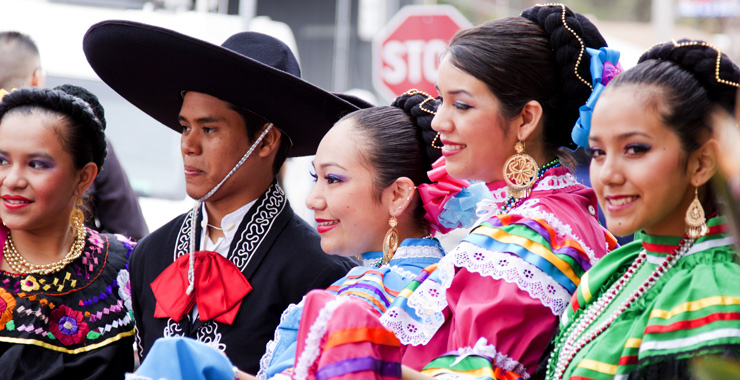
During Sept. 15-Oct. 15, National Hispanic Heritage Month, the Ethnicity and Health in America Series will shine a spotlight on the contributions of distinctive Latinx women in the field of psychology. This month we are highlighting the accomplishments of Latinx women who were the first inaugural women of color to occupy prominent leadership roles in their respective fields. We will be highlighting a different prominent woman every week in conjunction with the I Am Psyched! Women Firsts series. This third event of the series is the I Am Psyched! for National Hispanic Heritage Month panel hosted by APA Women’s Program Office, APA Health Disparities Office and APA Office of Ethnic Minority Affairs. The event will be held at the American Psychological Association on Monday, Oct. 1.
National Hispanic Heritage month, Sept. 15-Oct. 15 was established at this time of the year to commemorate Hispanic nations gaining independence from Spain. The month has now grown to incorporate Latinos, which includes Hispanics and non-Spanish speaking south and central American countries such as Brazil. Latinx people have become the largest minority group in the United States, making up about 17 percent of the population1. The heterogeneity of people who are Hispanic and Latinos, who are comprised of a variety of ethnic backgrounds such as Native American, African and Spanish, makes identifying mental health needs a challenging but rewarding ordeal. The National Alliance on Mental Health reported that one in five Latinx people suffer from mental illness, making culturally competent outreach and treatment an urgent issue2.
Latinx women are twice as likely to develop depression as compared to Latinx men, white populations or African-American populations3. Research also indicates that employed Latinx women are more stressed than unemployed ones4. Findings show that this could be due to the added responsibilities that come with being a mother and working multiple jobs. Another factor regarding employment includes the frustration and depression that arises from Latinx women being overqualified for the jobs they work, due to racial and gender discrimination5.
Latinx cultural values can trigger mental health issues in the lives of Latinx women and cause them to underutilize mental health services as compared to the general population. About one in four Latina teenagers have thought about committing suicide, a rate higher than Latino teenage counterparts, according to Salud America!6 These rates are not only due to racial and gender discrimination, but are also a result of Latinx cultural values such familisimo and marianismo7. Familisimo, although it emphasizes a strong family unit, can inhibit Latina teenagers from embracing their own unique independent identity8. Marianismo, rooted in Catholicism’s admiration of the Virgin Mary, is the belief that women must be pure, self sacrificing, pleasant, nurturing and demure9. Teenage Latinas are often met with pressure to meet these cultural standards, and this pressure can lead to development of anxiety and depression. These cultural factors do not favor reaching out for mental health assistance, making addressing the mental health concerns difficult. Despite this, many Latina women are finding their voice through mental health activism. Dior Vargas, a Latina feminist and mental health activists, created Color of My Mindopens in new window, a collection of content from her People of Color (POC) Mental Health Phot Project. Using the art of photography, she gave POC with mental health issues a voice and successfully addressed the homogenized stereotypes about mental health problems, and stigmas in the communities of color.