

 With 564 federally recognized American Indian and Alaska Native (AI/AN) tribes, 100 state recognized tribes, and over 200 languages, there is a sincere need for the development of mental health programs aimed at AI/ANs that center culture as a dominant aspect of treatment.2 The deficit in culturally relevant treatment programs aimed at American Indian and Alaska Native people living with mental illness is glaring. American Indian and Alaska Native communities cope with intergenerational trauma which has a historical context, occurring when exposure to trauma takes place in an earlier generation and continues to affect subsequent generations.1 The stress of intergenerational trauma contributes to the erosion of family structure, tribal structure and spiritual ties. It can affect one's identity, relationship skills, personal behavior, transmission of mores and values, and attitudes and beliefs about the future.1 The stress of these traumas combined with the complex and ongoing mistreatment of AI/AN citizens contributes to the rates of mental illness in AI/AN communities and can manifest in substance abuse disorder, anxiety and depression. Additional stressors such as a lack of access to health insurance, pervasive poverty and higher suicide rates are thought to exacerbate these issues. Increased community-based interventions and tribal sovereignty can allow American Indian and Alaska Native leaders to promote economic development, education and health services fit for their needs and community.3 Federal programs offering support to American Indian and Alaska Native citizens should be developed with and informed by local tribal cultures in order to be most effective and most easily adopted.4
In honor of National Native-American Heritage Month, the Ethnicity and Health in America Series is raising awareness about the psychological and social impact of stress and racism in the United States. This month we are featuring the work of Diane J. Willis, a member of the Kiowa Tribe, who has examined the effects of stress in children and families, including people American Indian and Alaska Native ethnicity.
References
1 Greywolf, I. (2011) Out of the darkness. Retrieved from https://preview.apadivisions.org/division-35/sections/section-six/american-indian-intergenerational-trauma.pdfopens in new window
2 Mental Health Disparities: American Indians and Alaska Natives. (2010). [Graph illustration from American Psychiatric Association Fact Sheet, 2010] . Office of Minority and National Affairs, Substance Abuse and Mental Health Services Administration (SAMHSA). Retrieved from https://www.integration.samhsa.gov/workforce/mental_health_disparities_american_indian_and_alaskan_natives.pdfopens in new window
3 Willis, D.J., Haldane, S., DeLeon, P.H., & Heldring, M. B. (2015). A policy article—personal perspectives on the public policy process: making a difference. Professional Psychology: Research and Practice . 45 (2). 143-151.
4 Willis, D. J. & Spicer, P. (2013). Defining the tribal issue. In A. M. Culp (Ed.), Child and family advocacy: bridging the gaps between research, practice, and policy (pp. 191-201). New York, NY: Springer.
Diane J. Willis, PhD
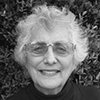 Diane J. Willis, PhD, is clinical child and pediatric psychologist and professor emeritus of pediatrics and medical psychology at the University of Oklahoma Health Sciences Center. Willis served as a pioneer in the field of assessment and advocacy for child abuse and neglect victims and has worked to develop programs for children with developmental disabilities since her professional career began in the 1970s. Willis established the first psychology clinic at the Clinton Indian Hospital in Clinton, Okla., along with the first psychology clinic at the Cheyenne-Arapaho Indian Health Services Clinic in El Reno and Concho, Okla. Willis helped to form the Child Protection Committee at OU Children's Hospital, the first program of its kind to systemically train medical personal to detect signs of abuse and neglect in child victims. Willis also developed prevention programs aimed at abusive caregivers and parents. As a result of her work, she was appointed to the United States Advisory Board on Child Abuse and Neglect and served on the APA Coordinating Committee on Child Abuse and Neglect. Willis has served as the President of the Society of Clinical Child Psychology, the Society for Pediatric Psychology, the Division of Child, Youth and Family Services, the Division of Clinical Psychology, and the Division of Psychotherapy.
Willis has received multiple awards throughout her career for her distinguished work in the fields of child and Native American advocacy. Willis, a member of the Kiowa Tribe, was named Indian Woman of the Year from the Oklahoma Federation of Indian Women, received the Byliner Award for Distinguished Contributions in the field of medicine, and was honored with the Nicholas Hobbs Award for Distinguished Child Advocacy by the APA Division of Child, Youth and Family Services. Willis was honored through the creation of the Diane J. Willis Early Career Reward, issued by American Psychological Foundation Div. 37 to honor early career psychologists making notable advances towards informing, advocating for, and improving the mental health and well-being of children and families. Willis has served as the Founding Editor of the Journal of Pediatric Psychology and the second editor of the Journal of Clinical Child Psychology , having published over 75 scholarly articles, chapters and books related to clinical child and pediatric psychology.
Sources: https://www.apadivisions.org/division37/publications/newsletters/advocate/2012/10/diane-willisopens in new window https://ruralhealth.und.edu/projects/american-indian-health-research-conference/pdf/biography_of_ diane _ willis .docopens in new window
More background on Ethnicity and Health in America
Selected Article
2014
Diane J. Willis
Sandra Haldane
Patrick H. DeLeon
Margaret B. Heldring
Article abstract : Highlighting the first-hand experiences of senior colleagues who have been active in shaping our nation's domestic policies from various positions, the pressing needs of children, including Native American (i.e., American Indian, Alaskan Native, and Native Hawaiian) children and their families, serve as an exemplar to encourage advocacy. Clinicians must learn to get involved in the public policy process as the Patient Protection and Affordable Care Act is steadily implemented.
Citation:
Willis, D.J., Haldane, S., DeLeon, P.H., & Heldring, M. B. (2015). A policy article—personal perspectives on the public policy process: making a difference. Professional Psychology: Research and Practice . 45 (2). 143-151.