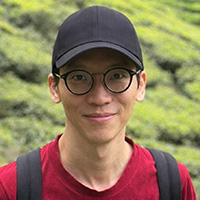
 Kit-Aun Tan is a former editorial fellow of Psychological Assessment. At the end of his term, he was invited to be a consulting editor of the journal. We asked Tan about his experience as a fellow.
Kit-Aun Tan, PhD
Psychological Assessment
Background
Tell us a bit about your background and research interests.
I am a faculty member in the Department of Psychiatry, Faculty of Medicine and Health Sciences, Universiti Putra Malaysia. My research interests are defined by two lines of work. The first focuses on the development and validation of psychological measures, particularly for problematic internet use. The second examines the effectiveness of online psychoeducational programs aimed at improving emotional and behavioral functioning among psychiatric patients and their caregivers.
Fellowship experience
What knowledge or skills have you gained through your experience with APA’s Editorial Fellowship Program?
Through the fellowship, I developed a comprehensive understanding of the editorial process, including manuscript triage, reviewer selection, and editorial decision-making. I strengthened my ability to critically appraise methodological and statistical rigor and learned how to provide clear, constructive, and development-oriented feedback to authors. I also gained practical experience in managing peer review workflows and navigating ethical considerations in scholarly publishing.
Tell us about a highlight of your experience in the program.
A key highlight was the opportunity to engage directly with scholars beyond my usual academic networks. Being based in Southeast Asia, such opportunities are often limited, and the fellowship enabled me to connect with researchers at an international level in ways that would not have been possible otherwise. It expanded not only my professional network but also my sense of belonging within the global scholarly publishing community.
How has the mentorship provided by this program been valuable to you?
The mentorship was one of the most valuable aspects of the fellowship. Under the guidance of Julie A. Suhr, PhD, editor, and Angela Clinton, peer review coordinator, I gained insight into how effective editorial leadership balances methodological rigor, fairness, and mentorship. I still remember being encouraged to “grow” during our first meeting, and this fellowship has indeed been transformative. Beyond editorial training, I remain deeply grateful for Suhr’s guidance in navigating professional decisions, including editorial appointments with other journals, which has had a lasting impact on my career development.
Next steps
What next steps in your career has this program prepared you for?
This program has prepared me to take on more active editorial roles, including contributing to editorial boards and supporting the development of rigorous peer review practices. Following the completion of the fellowship, I was invited to remain on the editorial team as a consulting editor. I also currently serve as an editorial board member for other international journals. These opportunities reflect how the fellowship has strengthened my readiness to engage in international collaborations and leadership roles within scholarly publishing.
Do you plan to stay involved with APA Publishing? If yes, how so?
I plan to remain actively engaged by continuing to serve as a reviewer and contributing to editorial activities where opportunities arise. In my current role as a consulting editor, I look forward to supporting editorial processes and contributing to high-quality publishing practices. I am particularly committed to encouraging broader participation from underrepresented regions in the global peer review process.
How has your fellowship prepared you for future editorial work?
The fellowship provided hands-on experience across the full editorial workflow, equipping me with the skills to manage submissions, identify and engage appropriate reviewers, and make balanced editorial recommendations. Through handling manuscripts, I learned to navigate challenges such as securing reviewers, often reaching out to multiple candidates, and developed a structured approach to reviewer selection. The experience also deepened my understanding of ethical standards and transparency, which will guide my ongoing and future editorial contributions.
Advice
Do you have any advice for future fellows?
Approach the fellowship with openness. Engage actively with each editorial assignment, and do not hesitate to seek guidance when needed. Mentors and editorial staff are invaluable resources for both procedural and content-related guidance. The experience is not only about learning the mechanics of peer review but also about developing confidence, perspective, and editorial responsibility.
Do you have any words of wisdom for early career researchers?
Be proactive in seeking opportunities that expand your academic horizons, even if they feel beyond your immediate reach. For researchers based in underrepresented regions, access to international scholarly spaces can be transformative. Building networks, contributing to peer review, and engaging with editorial work are meaningful ways to participate in shaping the field and strengthening global scholarship.
Date created: May 2026