Karen Dill-Shackleford, PhD
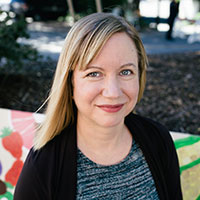 Karen Shackleford, PhD, is a faculty member in the Media Psychology Doctoral Program at Fielding Graduate University.



Karen Shackleford, PhD, is a faculty member in the Media Psychology Doctoral Program at Fielding Graduate University.
Tell us a bit about your background: What is your area of research? What is your most recent journal-editing experience?
My current research focuses on two areas: the meanings and uses of fictional narrative, including relationships with fictional characters; and the way we understand social categories (race, sex, sexual orientation) via those narratives and characters.
I was previously on the editorial board for Psychology of Popular Media, and I am currently on the board at Sex Roles. I’m also the editor of the Oxford Handbook of Media Psychology. I discuss my approach to this work in my TEDx talk, Sherlock Holmes and Harry Potter are Realopens in new window, available online.
Briefly, what are your main priorities? For example, how will you grow readership, what type of scholarship would you like to see in the journal, and what kind of content are you hoping to attract?
First, I want to capitalize on the excellent position that Joanne Broder established for the journal. One reason I was so excited to take on the editor position is because Psychology of Popular Media is my favorite journal to read. It offers something unique.
The journal also aligns with my own research interests—topics like parasocial relationships, celebrity, narrative influence, and meaning-making from popular culture. I want to continue to build on those areas of coverage.
Also, part of the nature of media psychology research is that we constantly have to pivot to what’s happening in the world. It’s very easy to see that now with our global pandemic experience and the many ways media is part of that experience. That includes the capabilities media brings us as well as what parents, teachers, and everyone else wants help with understanding right now.
I hope to attract media psychology scholarship that is grounded in the foundations of psychology scholarship and that pivots with our changing times in a way that’s beneficial society.
Why is this journal important for the field? What is its relevance to society/public health? What are the hot issues in your area right now?
Right now, many hot issues relate to the pandemic and our suddenly changing patterns of media use and of in-person interactions. For example, one topic that would be of great interest to public health would be the psychology of persuasion surrounding public health behaviors and how that can be accomplished via media. Another hot topic is polarization along political lines and how that operates via social media.
What challenges, if any, lie ahead for the field?
It will always be a challenge for us to keep up with the steep curve of changes in media use. New issues emerge. We will need to stay grounded in our knowledge of psychology and ask what the deeper characteristics of the current situation are. That way our research will stay relevant even as the specific popular media come and go.
Do you have plans for a special issue or changes to the editorial process? Are you making any changes?
We have made a number of changes during my tenure that I am excited about. First, we changed the name of the journal to Psychology of Popular Media. Dropping the word Culture from the end of the title does not change the meaning, but it should make the title easier to remember correctly and talk about.
We set a limit of 8,000 words (including references and appendices) on full-length articles. We also just added the option of Brief Reports (15 pages including references, figures, and tables). We believe these two changes will have multiple benefits including more precise and concise writing and the ability to publish more of our authors’ work.
Finally, we added two new associate editors, Craig Anderson and Elizabeth Cohen. Journal submissions are up, and the need for our kind of research is booming. I’m excited and very optimistic about our future.
Editor Spotlight features interviews with the newly-appointed editors of APA Journals.
APA Journals produces an array of scholarly journals that cover the spectrum of modern psychology and feature the latest research in the field.
Psychology of Popular Media is a peer-reviewed scholarly journal dedicated to publishing empirical research concerning the psychological experience and effects of human interaction with popular media in all its forms, including social media, games, apps, and fictional narratives.