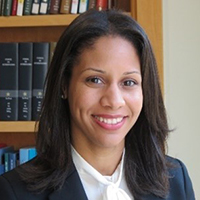
 Carmela Alcántaraopens in new window, PhD
Associate Professor, School of Social Work
Columbia University
Pronouns: She/her/hers
Primary areas: Social determinants of health, sleep, behavioral medicine, health disparities
Brief bio: Alcántara earned her PhD in clinical psychology from the University of Michigan. She completed her clinical internship at Bellevue Hospital Center at New York University Langone Medical Center, and a postdoctoral fellowship as a W.K. Kellogg Health Scholar at the Harvard T.C. Chan School of Public Health. Alcántara has dedicated her career to the study of social determinants of health with a specific focus on cardiovascular-related health outcomes and behaviors such as sleep. She also conducts community-based intervention research to enhance existing evidence-based behavioral interventions for health disparity populations, particularly Latinx adults. Alcántara identifies as an Afro-Latina, first-generation, cis-gender immigrant woman who is passionate about health equity.
 Christopher R. Franceopens in new window, PhD
Distinguished Professor, Department of Psychology
Ohio University
Pronouns: He/him/his
Primary areas: Pain, blood donor motivation, health interventions
Brief bio: Chris France obtained his PhD in clinical psychology from McGill University in 1991. He is a distinguished professor of clinical health psychology at Ohio University, and his primary research interests include biopsychosocial influences on experimental and clinical pain and interventions to enhance recruitment and retention of voluntary blood and organ donors.
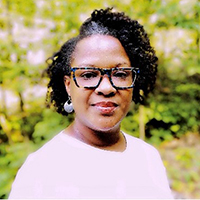 Lori A Francisopens in new window, PhD
Associate Professor of Biobehavioral Health
Penn State University
Pronouns: She, her, hers
Primary areas of expertise: Pediatric obesity, parenting, eating behavior, executive function, stress regulation
Brief bio: Francis earned her PhD in human development and family studies from Penn State University. She is a developmental health scientist with expertise in the influence of individual, family and household factors on the development of obesity in youth. Her research examines biobehavioral underpinnings of childhood obesity risk and resilience, with an emphasis on the ways in which individual differences in self-regulation or executive function moderate risk for obesity. Francis has a particular interest in understanding these relations in children and families experiencing poverty.
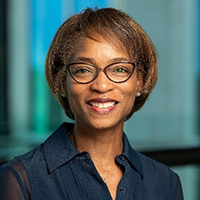 Paige A. Greenopens in new window, PhD, MPH, FABMR
National Institutes of Health/National Cancer Institute
Pronouns: She/her/hers/ella
Primary areas: Behavioral, biobehavioral, and psychological science mechanisms and their translational relevance for cancer prevention and control
Brief bio: Green earned a PhD in clinical psychology with an emphasis in behavioral medicine and psychophysiology from the University of Miami, Coral Gables, clinical internship at Brown University, and postdoctoral training at Memorial Sloan Kettering Cancer Center and Howard University Cancer Center. She completed an MPH from Bloomberg School of Public Health at Johns Hopkins University. Green is a past-president of the American Psychosomatic Society and the Academy of Behavioral Medicine Research and currently serves as Chief of the Basic Biobehavioral and Psychological Sciences Branch in the Division of Cancer Control and Population Sciences at NCI.
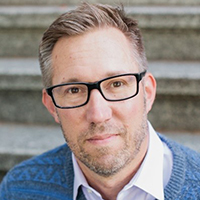 Aric A. Pratheropens in new window, PhD
Professor of Psychiatry and Behavioral Sciences
Interim Director, UCSF Center for Health and Community
University of California, San Francisco
Pronouns: He/him/his
Primary areas: Sleep, stress, social determinants of health, psychoneuroimmunology
Brief bio: Prather, earned his PhD in clinical and biological and health psychology from the University of Pittsburgh, clinical internship at Duke University Medical Center, and completed postdoctoral training at the University of California, San Francisco/UC Berkeley. His work focuses broadly on the causes and consequences of insufficient sleep with particular emphasis on how sleep, or lack thereof, affects the immune system. Prather carries out basic and translational research, including the development and testing of interventions to improve sleep and psychological well-being.
 Eli Putermanopens in new window, PhD
Associate Professor, Canada Research Chair Tier 2 in Physical Activity and Health
School of Kinesiology, Faculty of Education
The University of British Columbia, Vancouver, and the traditional, ancestral, and unceded territory of the Musqueam people
Pronouns: He/him/his
Primary areas: Psychological/biological aspects of physical activity, physical activity clinical trials, large cohort studies.
Brief bio: Puterman completed his PhD at the University of British Columbia in the Department of Psychology and postdoctoral training at the University of California San Francisco in the Department of Psychiatry and Center for Health and Community. He self-identifies as a member of the queer community and as a first generation Canadian. Puterman has been the Canada Research Chair in Physical Activity since 2015 and his work seeks to understand the interplay among stress, aging, and exercise.
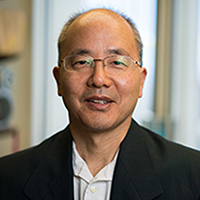 Bert N. Uchinoopens in new window, PhD
Professor, Health Psychology Program
Department of Psychology
University of Utah
Pronouns: He/him/his
Primary areas: Stress, relationships as related to psychophysiology and psychoneuroimmunology
Brief bio: Uchino earned his PhD in social psychology as well as a postdoctoral fellowship in psychoneuroimmunology at the Ohio State University. Uchino identifies as first generation Asian American scholar from Hawaii. His main research focuses on the autonomic, neuroendocrine, and immune mechanisms linking social relationships and stress to health with an emphasis on aging.
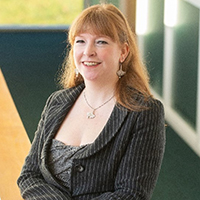 Anna C. Whittakeropens in new window, PhD
Professor of Behavioural Medicine
University of Stirling, UK
Pronouns: She/her/hers
Primary areas: Physical activity, psychoneuroimmunology; cardiovascular psychophysiology of stress; healthy ageing
Brief bio: Whittaker is a professor in behavioural medicine, a health psychologist, and fellow of the British Psychological Society working at the University of Stirling in the areas of physical activity and health, behavioural medicine, psychoneuroimmunology, and cardiovascular psychophysiology. Her physical activity research takes an inter-disciplinary mixed methods approach and she is a strong promoter of collaboration across disciplines. She identifies as White, British female with a strong commitment to Diversity, Equity, and Inclusion.


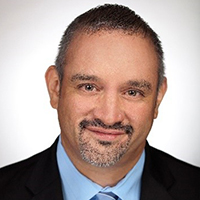 John M. Ruizopens in new window, PhD
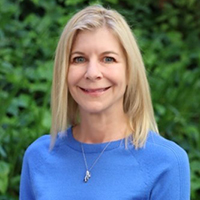 Linda C. Gallo
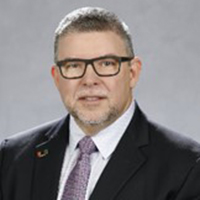 Frank J. Penedo
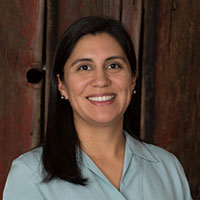 Anna E. Epperson
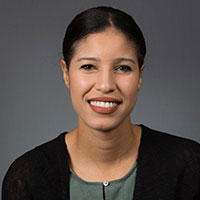 Caroline Cummings
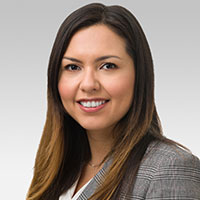 Diana A. Chirinos
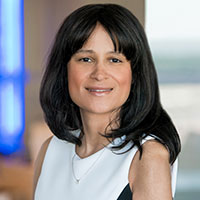 Giselle K. Perez
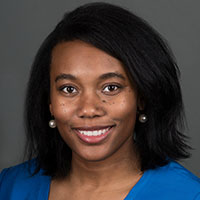 Marcia Tan
 Melissa Flores
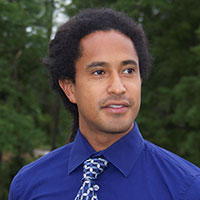 Michael V. Stanton